

What to do When Your Check Engine Light Comes On

What to Do When Your Check Engine Light Comes On | Chuck Anderson Ford

Vehicle Guidance from Chuck Anderson Ford

What to Do When Your Check Engine Light Comes On

A check engine light can signal anything from a relatively minor emissions fault to a severe misfire that can quickly damage expensive components. The light's behavior—and how the vehicle feels—determines how urgently you should respond.

The light's behavior matters

Steady check engine light versus flashing light

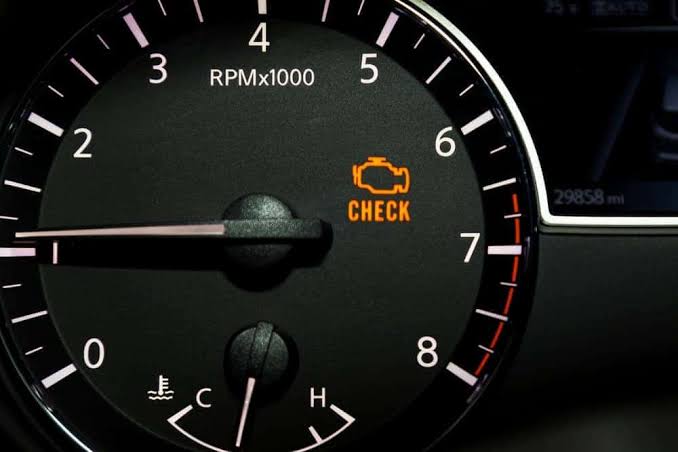
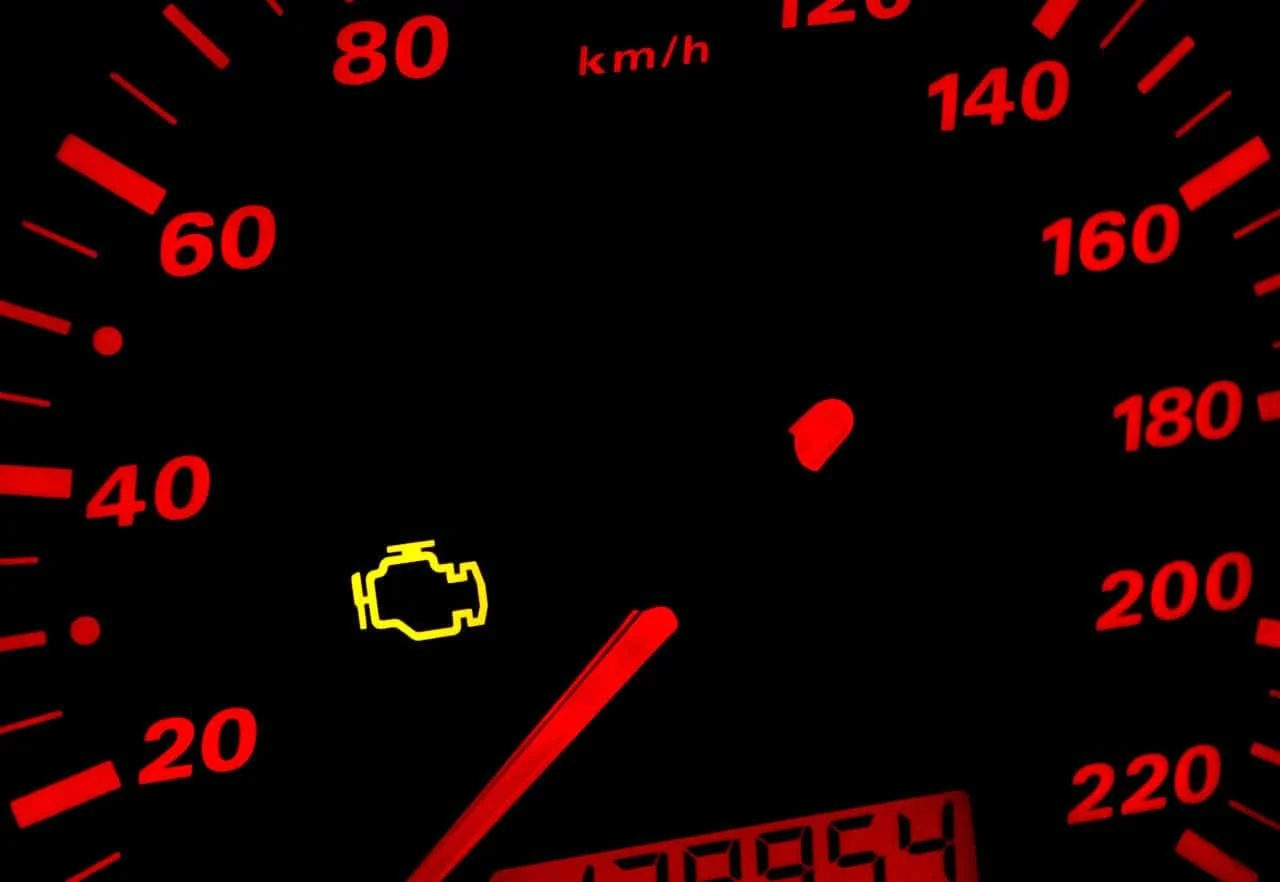
The malfunction indicator lamp may look like an engine outline or display words such as “Check Engine” or “Service Engine Soon.” Confirm its meaning in the owner's manual.

!

Steady light

A fault has been detected and diagnosis is needed. If the vehicle operates normally and no critical warning or serious symptom is present, limited gentle driving to a safe location or scheduled service may be reasonable under the owner's-manual guidance.
!

Flashing light

Treat it as urgent. Reduce acceleration, speed, towing load, and engine demand. Stop safely as soon as practical. If flashing continues, the vehicle shakes, or performance changes, shut it down when safe and arrange assistance.

Check engine warning light illuminated on a vehicle dashboard

Notice whether the light is steady or flashing and photograph all warning messages before turning the vehicle off.

Step-by-step

How to respond to a check engine light

This guide helps you decide what to do next. It cannot identify the repair without vehicle-specific testing.

Observe the light and other warnings

Determine whether the check engine light is steady or flashing. Look for temperature, oil-pressure, charging, brake, transmission, reduced-power, stop-safely, or hybrid-system warnings. Read the message center and owner's manual rather than assuming every warning has the same urgency.

Assess how the vehicle is behaving

Notice shaking, rough running, loss of power, stalling, surging, unusual sounds, smoke, burning or fuel odors, abnormal temperature, hard starting, or poor throttle response. If the vehicle becomes difficult to control or maintain speed, signal and move out of traffic safely.

Do not continue driving merely because the vehicle still moves. A serious fault can worsen rapidly.

Respond immediately to a flashing light

Ease off the accelerator, avoid high engine speed, turn off unnecessary loads when safe, stop towing, and move to a safe parking location as soon as practical. Follow any dashboard instructions. If the light keeps flashing, the engine runs roughly, or a serious symptom is present, turn the vehicle off when safely parked and arrange towing.

Handle a steady light cautiously

If the light is steady, the vehicle runs normally, all gauges are normal, and no other critical warning is present, consult the owner's manual. Avoid hard acceleration, high speeds, steep loads, towing, and unnecessary trips. Arrange diagnosis promptly rather than waiting for the light to go away.

Perform only limited safe checks

When safely parked, shift into Park, apply the parking brake, and turn the vehicle off. If your vehicle has a conventional removable fuel cap and the manual identifies it as a possible cause, confirm the cap is installed correctly and its seal is not obviously damaged. Check for a disconnected item only when clearly visible and safe.

Do not touch hot, moving, high-voltage, pressurized, or unfamiliar components. Do not tighten, unplug, or reconnect parts at random.

Record what happened

Photograph the instrument panel and write down when the light appeared, whether it flashed, vehicle speed, engine temperature, weather, fuel level, recent refueling, recent repairs, towing or load, sounds, odors, and driving symptoms. These details can help the technician reproduce an intermittent problem.

Preserve the diagnostic evidence

Do not disconnect the battery, remove fuses, or use a scan tool to erase codes simply to turn off the light. Clearing information can remove freeze-frame data, reset emissions readiness monitors, hide intermittent clues, alter vehicle behavior, and make diagnosis more difficult.

A code reader may retrieve a code, but the code identifies the system or condition detected—not automatically the failed part.

Arrange the appropriate service

Schedule professional diagnosis as soon as practical for any check engine light. Provide your notes and any codes that were read without erasing them. Arrange towing when the light flashes, the vehicle runs poorly, temperature or oil-pressure warnings appear, smoke or strong odors develop, fluid leaks are visible, power is severely reduced, or the owner's manual says not to drive.

Technician diagnosing a check engine light with vehicle scan equipment

A professional diagnosis combines codes and live data with inspections, circuit testing, service information, technical bulletins, and component tests.

Do not take chances

Stop driving and arrange towing when

A steady check engine light can become urgent when it appears with serious symptoms or another critical warning.

Engine and drivability concerns

  • The check engine light continues flashing.
  • The vehicle shakes, misfires, stalls, or runs extremely rough.
  • Power drops severely or the vehicle cannot maintain safe speed.
  • Knocking, clattering, or other serious mechanical noise begins.
  • Smoke, steam, or a strong burning or fuel odor appears.
  • A significant fluid leak is visible.

Additional warning concerns

  • The oil-pressure warning illuminates.
  • The temperature gauge enters the hot zone.
  • A stop-safely, shutdown, or critical powertrain message appears.
  • Brake, steering, or charging performance changes.
  • The transmission will not shift normally.
  • The owner's manual instructs you not to continue driving.

Codes point to a system—not necessarily a part

Why an OBD-II code is not a complete diagnosis

Diagnostic trouble codes record what the vehicle's computers observed. The same code can result from several mechanical, electrical, software, fuel-quality, wiring, sensor, air-leak, exhaust, or operating-condition problems.

Useful diagnostic information

  • Stored, pending, permanent, and manufacturer-specific codes
  • Freeze-frame data captured when the fault occurred
  • Live sensor and actuator data
  • Misfire counters, fuel trims, temperatures, and pressures
  • Readiness-monitor and self-test results
  • Recent repair, battery, software, and maintenance history

Common mistakes to avoid

  • Replacing the component named in a code without testing
  • Clearing codes before recording them
  • Disconnecting the battery to hide the light
  • Assuming a loose fuel cap causes every warning
  • Continuing to drive because a free scan called it “minor”
  • Ignoring pending or manufacturer-specific faults

Powertrains use different warnings

Check engine lights on hybrids and electric vehicles

Hybrids may illuminate a conventional check engine light for the gasoline engine or emissions system and separate warnings for the hybrid system. Battery-electric vehicles may use powertrain, high-voltage battery, charging-system, reduced-power, or service- vehicle messages instead of a traditional engine-shaped lamp.

Follow the exact dashboard message and owner's manual.

Do not touch orange high-voltage cables, traction-battery components, damaged charging equipment, or high-voltage cooling circuits. If a stop-safely warning, smoke, unusual heat, electrical odor, battery damage, or major power reduction occurs, move away from traffic when safe and obtain qualified assistance.

Common questions

Check engine light FAQs

Can I drive with a steady check engine light?

Possibly for a limited distance if the owner's manual allows it, the vehicle runs completely normally, all gauges are normal, and no critical warning or serious symptom is present. Avoid heavy loads and schedule prompt diagnosis. When uncertain, choose towing.

Can I drive with a flashing check engine light?

A flashing light is commonly associated with a severe fault that can cause rapid damage. Reduce vehicle demand and stop safely as soon as practical. If it continues flashing or the vehicle runs poorly, shut it off when safe and arrange towing.

Will tightening the fuel cap turn the light off immediately?

Not necessarily. If the vehicle uses a removable cap and it was the cause, the system may need multiple operating conditions or drive cycles before confirming the repair. Capless systems have different checks. Do not assume the cap caused the light, especially when symptoms are present.

Why did the light turn off by itself?

The fault may be intermittent, and the computer may turn the light off after the condition does not recur for a specified period. Codes or history can remain stored, and the underlying problem may return. Schedule diagnosis when the light was flashing, symptoms occurred, or the issue repeats.

Does a code tell me which part to replace?

Usually not. A code identifies a detected condition, circuit, system, or performance problem. Testing is needed to distinguish among the possible causes before parts are replaced.

Can a weak battery cause warning lights?

Low voltage, poor connections, charging faults, or recent battery service can contribute to multiple warnings and communication codes. That does not mean every code should be dismissed. The battery and charging system should be tested along with the affected systems.

Will disconnecting the battery reset the light?

It may temporarily clear some information, but it does not repair the fault and can erase useful diagnostic data, reset readiness monitors, affect learned settings, and create additional problems. Preserve the data for diagnosis.

Can I pass an emissions test after clearing the light?

Clearing codes typically resets readiness monitors. The vehicle may fail or be rejected as “not ready” until required tests complete, and the light may return when the fault is detected again. Repair and verify the problem rather than clearing it for inspection.

Check engine light on? Let us diagnose the cause.

The service team at Chuck Anderson Ford can retrieve complete diagnostic information, inspect the affected systems, perform pinpoint testing, check for software updates and technical service information, and explain the repair before replacing parts.

Schedule Check Engine Diagnosis
General educational information only. Warning-light behavior and safe-driving instructions vary by vehicle. Always follow the owner's manual and dashboard messages, and obtain professional assistance whenever vehicle operation is abnormal.