

How Long Does a Mustang Last?
A well-maintained Ford Mustang can often last 150,000 to 200,000 miles or more. How long an individual Mustang lasts depends heavily on its maintenance history, model year, engine, transmission, driving habits, climate, modifications, and how aggressively it has been driven.
That means a Mustang driven 10,000 miles per year could potentially remain on the road for 15 to 20 years or longer. There are plenty of high-mileage Mustangs still being driven today, and mileage alone shouldn't determine whether a Mustang has reached the end of its useful life.
For Mustang owners, the bigger question is usually not simply "How many miles can a Mustang last?" but "What can I do to make my Mustang last as long as possible?"
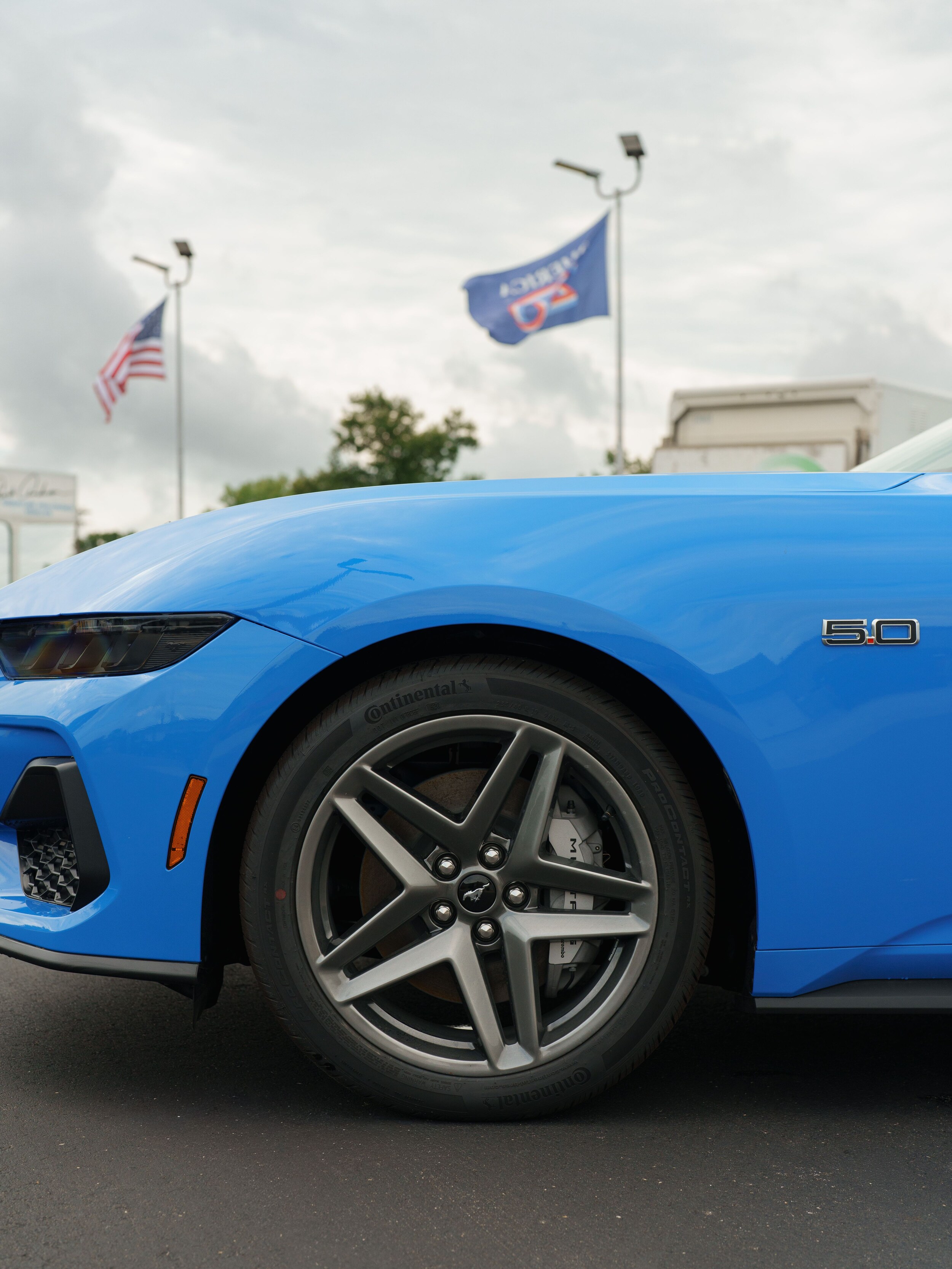
How Many Miles Can a Ford Mustang Last?
Reaching 150,000 miles is a realistic possibility for a Mustang that has been consistently maintained. Reaching 200,000 miles or beyond is also possible, although the likelihood becomes increasingly dependent on how well the vehicle has been cared for throughout its life.
Large-scale vehicle data supports the idea that the Mustang can have substantial longevity. iSeeCars estimates the Ford Mustang coupe's average lifespan at approximately 157,000 miles and reports that some Mustangs reach 200,000 miles. CARFAX longevity data similarly shows Mustangs reaching both 150,000- and 200,000-mile milestones.
Those numbers aren't a guarantee that every Mustang will reach a certain mileage. Instead, they demonstrate that high-mileage Mustangs are certainly possible when the car receives proper maintenance and isn't subjected to excessive abuse.
Can a Mustang Last 200,000 Miles?
Yes, a Ford Mustang can reach 200,000 miles.
At that mileage, however, you should expect that some components outside the engine itself may have already required replacement. A car is made up of thousands of components, and keeping a Mustang for 200,000 miles doesn't mean every original component will last for the entire distance.
Depending on the vehicle, long-term ownership can eventually involve replacement or service of items such as:
- Shocks and struts
- Suspension bushings
- Wheel bearings
- Engine mounts
- Belts and hoses
- Water pumps
- Alternators and starters
- Brake components
- Clutch components on manual-transmission Mustangs
- Cooling-system components
- Seals and gaskets
Replacing wear items as they age is a normal part of keeping virtually any vehicle for 150,000 to 200,000 miles.
How Long Does a Mustang Engine Last?
A Mustang engine can potentially last hundreds of thousands of miles when properly maintained, but there is no predetermined mileage at which a Mustang engine automatically fails.
Oil changes are particularly important. Engine oil lubricates internal components while helping control heat, friction, and contamination. Allowing oil changes to go far beyond the recommended interval can dramatically increase long-term engine wear.
Ford's current Mustang maintenance guidance uses its Intelligent Oil-Life Monitor to determine oil-change timing and specifies maximum intervals even when the monitor has not requested service. Owners should follow the maintenance information for their exact model year, engine, and driving conditions.

How Long Does a Mustang GT Last?
A Mustang GT equipped with Ford's 5.0-liter V8 can also reach high mileage with proper maintenance.
The fact that the Mustang GT is a performance vehicle does introduce another variable: how the car has been driven.
A GT that has accumulated 100,000 mostly highway miles and received regular maintenance may have experienced considerably less mechanical stress than a lower-mileage GT that has frequently been raced, launched, overheated, or driven aggressively before reaching operating temperature.
That becomes particularly important when evaluating a used Mustang GT. Mileage is valuable information, but it should be considered alongside service history and overall condition.
How Long Does an EcoBoost Mustang Last?
The turbocharged Mustang EcoBoost can also provide a long service life when maintained correctly.
Turbocharged engines make impressive power from relatively small displacement, and proper lubrication is especially important because engine oil also helps protect the turbocharger. Regular oil changes using the appropriate oil specification are one of the simplest ways to protect an EcoBoost Mustang over the long term.
Cooling-system maintenance, air-filter replacement, spark plugs, fluids, and addressing warning lights promptly can also help an EcoBoost Mustang reach higher mileage.
What Determines How Long a Mustang Lasts?
Two Mustangs with identical mileage can be in dramatically different condition. Several factors have a major influence on lifespan.
1. Maintenance History
Consistent maintenance is arguably the biggest factor you can control. A documented history of oil changes, fluid services, inspections, and repairs is especially valuable when buying a used Mustang.
2. Driving Style
The Mustang is built to be enjoyed, but repeated hard launches, excessive engine speeds, track use, burnouts, and aggressive shifting place more stress on drivetrain and suspension components.
Occasional spirited driving isn't the same thing as years of continuous abuse. When shopping used, the important thing is understanding how the vehicle was treated by its previous owners.
3. Modifications
Mustangs have one of the largest aftermarket communities in the automotive industry. Modifications can make a Mustang faster, louder, or more personalized, but they can also change the amount of stress placed on factory components.
A professionally installed modification with an appropriate calibration is different from a poorly executed modification with unknown parts or tuning.
4. Climate
Climate can affect vehicle longevity as well. Road salt and winter conditions can contribute to corrosion, while extreme heat can put additional stress on batteries, cooling systems, tires, and other components.
5. Storage
Many Mustangs are seasonal vehicles. A Mustang that spends winters properly stored indoors may experience significantly different aging than one that is driven year-round through snow, ice, road salt, and extreme temperatures.
6. Previous Accidents
A properly repaired accident does not necessarily mean a Mustang won't last, but poor repairs can create alignment, suspension, corrosion, electrical, and body-related issues later in the vehicle's life.
What Maintenance Helps a Mustang Last Longer?
The best strategy is straightforward: follow the maintenance schedule Ford provides for your specific Mustang.
Important long-term maintenance areas include:
- Engine oil and filter changes
- Tire rotation and tire-pressure checks
- Brake inspections
- Engine air-filter replacement
- Cabin air-filter replacement
- Coolant service
- Transmission-fluid service when applicable
- Rear differential service when applicable
- Spark-plug replacement
- Drive-belt inspection and replacement
- Suspension and steering inspections
- Battery and charging-system checks
Ford's scheduled maintenance guidance extends well into six-figure mileage, with certain drivetrain and fluid services occurring at very high mileage intervals depending on model year and configuration. Always consult the owner's manual for your particular Mustang rather than assuming every model year uses the same schedule.
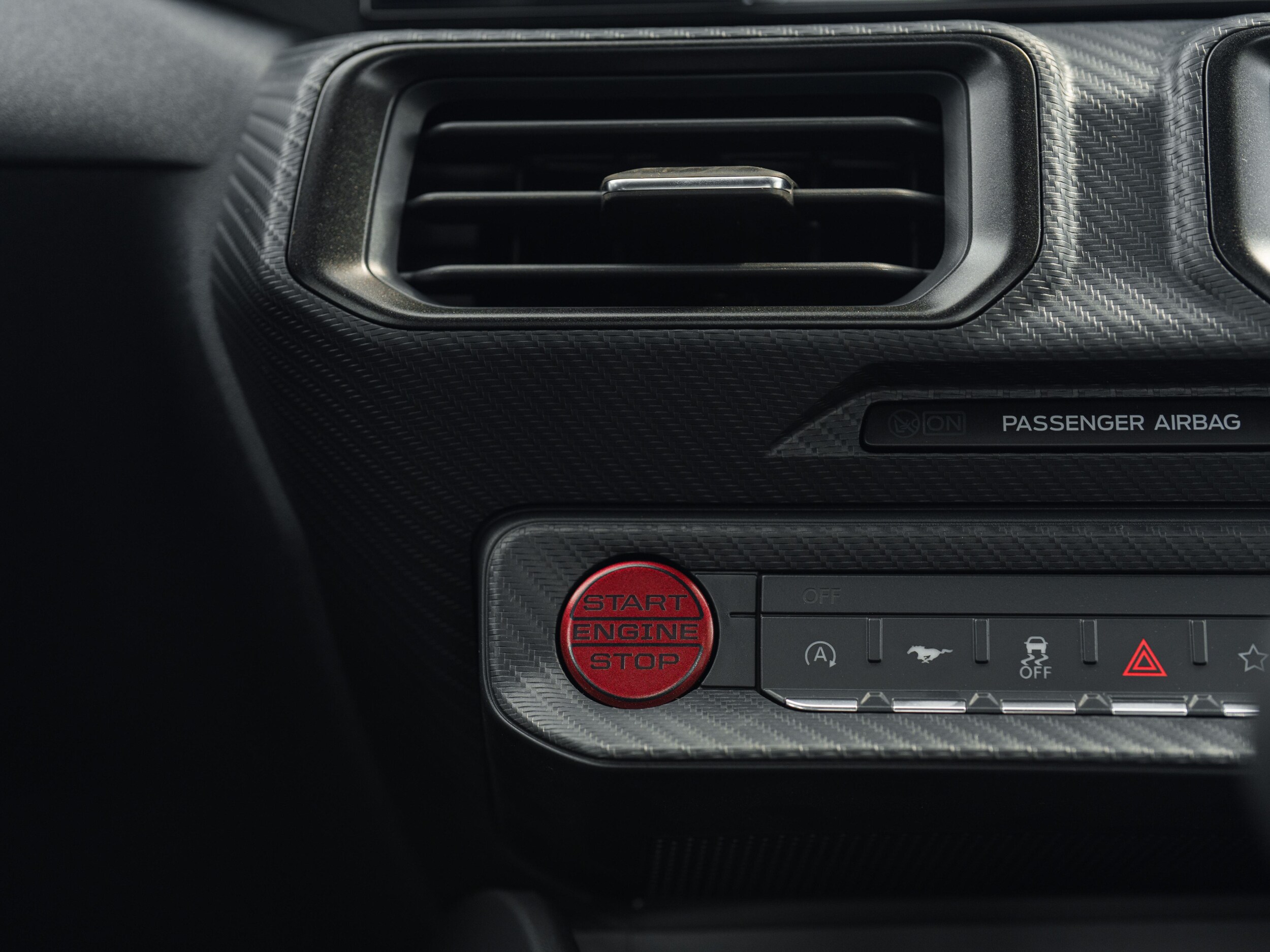
Is 100,000 Miles a Lot for a Mustang?
Not necessarily.
A 100,000-mile Mustang that has been properly serviced can still have many years of useful life remaining. At the same time, 100,000 miles is enough mileage that the vehicle's maintenance history becomes increasingly important.
If you're considering buying a Mustang with more than 100,000 miles, evaluate the entire vehicle rather than focusing exclusively on the odometer.
Things worth checking include:
- Service records
- Oil leaks
- Coolant leaks
- Transmission operation
- Clutch condition on manual models
- Suspension noise
- Uneven tire wear
- Brake condition
- Engine noises
- Previous modifications
- Accident history
- Rust or corrosion
- Outstanding recalls
Is 150,000 Miles Too Much for a Used Mustang?
A Mustang with 150,000 miles isn't automatically a bad vehicle.
At this mileage, condition and maintenance history become much more important than mileage alone. A well-documented, mostly stock Mustang with 150,000 miles may be a more appealing ownership proposition than a neglected or heavily abused Mustang with significantly fewer miles.
A pre-purchase inspection can be especially worthwhile when considering a higher-mileage performance vehicle.
Is It Better to Buy an Older Mustang With Low Miles?
Lower mileage can be attractive, but extremely low mileage doesn't always mean a vehicle is automatically in better condition.
Cars that sit for extended periods can experience their own problems. Rubber seals, tires, batteries, fluids, brakes, and other components can deteriorate because of age even when the odometer barely moves.
When comparing two used Mustangs, consider both age and mileage along with service history, storage conditions, modifications, and overall vehicle condition.
Does a Manual or Automatic Mustang Last Longer?
There isn't a universal answer. Both manual and automatic Mustangs can achieve high mileage.
Manual transmissions have a clutch that eventually wears and may require replacement. How quickly that occurs depends heavily on driving style.
Automatic-transmission longevity is similarly influenced by maintenance, heat, modifications, driving conditions, and vehicle use.
For either transmission, proper operation and a strong maintenance history are more useful indicators than simply choosing one transmission type over the other.
Do Modified Mustangs Last as Long?
They can, but modifications introduce additional variables.
Adding substantial horsepower increases the load placed on the engine, transmission, differential, axles, cooling system, and other drivetrain components. The quality of the parts, installation, calibration, maintenance, and driving habits all influence how those changes affect longevity.
If maximum long-term durability is your priority, a stock or mildly modified Mustang with a documented maintenance history is generally easier to evaluate than a highly modified vehicle with an unknown history.

Can a Mustang Be a Long-Term Daily Driver?
Yes. Despite its performance-car reputation, the Mustang can be used as an everyday vehicle for many years.
Modern Mustangs provide the technology, comfort, climate control, safety equipment, cargo capacity, and drivability needed for regular commuting while still delivering the performance that makes owning a Mustang different from owning a conventional sedan or crossover.
If you plan to accumulate significant mileage, keeping up with preventative maintenance becomes even more important.
How Do You Make a Mustang Last 200,000 Miles?
If your goal is to keep a Mustang to 200,000 miles or beyond, focus on consistent maintenance rather than waiting for something to break.
- Follow Ford's recommended maintenance schedule.
- Change the oil when required.
- Check fluid levels regularly.
- Don't ignore warning lights.
- Allow the engine to warm up before repeated hard acceleration.
- Maintain the cooling system.
- Inspect tires, brakes, steering, and suspension regularly.
- Repair oil and coolant leaks promptly.
- Use fluids and replacement parts that meet Ford specifications.
- Keep maintenance and repair records.
You don't have to baby a Mustang for it to last. It was built to deliver performance. The objective is simply to combine enjoying the car with taking care of it.
So, How Long Does a Ford Mustang Last?
Plan on 150,000 miles or more being achievable for a properly maintained Mustang, while 200,000 miles and beyond is possible for well-cared-for examples.
There is no magic mileage number where a Mustang suddenly becomes too old. Maintenance history, condition, previous use, model year, modifications, and driving habits ultimately tell you far more than the odometer by itself.
If you're considering a Mustang with significant mileage, have its condition evaluated and look closely at its maintenance history. A well-maintained high-mileage Mustang may still have plenty of driving ahead of it.
Shop Ford Mustangs at Chuck Anderson Ford
Ready to find your next Mustang? Chuck Anderson Ford in Excelsior Springs, Missouri can help you compare Mustang models, trims, engines, features, and performance options.
We serve Mustang shoppers from Excelsior Springs, Liberty, Kearney, Richmond, Kansas City, and communities throughout northwest Missouri and the Kansas City area.
Shop New Ford Mustang Inventory or browse our used inventory to see what's currently available.
Want to learn more before deciding? Read our guide to Ford Mustang reliability.
Ford Mustang Lifespan FAQ
How many miles does a Ford Mustang usually last?
A properly maintained Ford Mustang can often reach 150,000 miles, while some examples reach 200,000 miles or more. Actual lifespan depends on maintenance, model year, driving conditions, modifications, and previous use.
Can a Mustang last 200,000 miles?
Yes. Some Ford Mustangs reach and exceed 200,000 miles. Regular maintenance and addressing repairs promptly become increasingly important as mileage rises.
Is 100,000 miles high for a Mustang?
100,000 miles should not automatically disqualify a used Mustang. At that mileage, service history, condition, modifications, accident history, and how the vehicle was driven are especially important.
How long does a Mustang GT last?
A properly maintained Mustang GT can potentially reach 150,000 to 200,000 miles or more. Because GT models are performance vehicles, previous driving habits and modifications are particularly important when evaluating a used example.
How long does an EcoBoost Mustang last?
An EcoBoost Mustang can also reach high mileage with proper maintenance. Routine oil changes, cooling-system care, proper fluids, and following Ford's recommended maintenance schedule are important for long-term durability.
Is a high-mileage Mustang worth buying?
It can be. A high-mileage Mustang with excellent maintenance records and a clean inspection may be preferable to a lower-mileage Mustang that has been neglected, poorly modified, or heavily abused.
What is the most important thing for making a Mustang last?
Consistent preventative maintenance is one of the most important factors. Follow the maintenance schedule for your specific model year and address developing mechanical problems before they become larger repairs.