
Chuck Anderson Ford | Ford Purchasing Research
When Is the Best Time to Trade In a Vehicle?
The best time to trade your vehicle is not always determined by the calendar. Your mileage, remaining loan balance, vehicle condition, warranty coverage and available replacement opportunities all play a role in finding the right time to make a move.
Spring
Historically favorable used-vehicle demand
Positive Equity
Can strengthen your replacement purchase
100,000 Miles
Not an automatic trade-in deadline
Total Cost
More important than trade value alone
The Short Answer
When Should You Trade In Your Car, Truck or SUV?
The best time to trade in a vehicle is generally when it has a favorable market value, you have manageable or positive trade equity, its condition remains desirable and the cost of purchasing a replacement vehicle makes financial sense. Spring and early summer have historically been favorable periods for used-vehicle values, but there is no single best month or mileage for every vehicle.
Trading before significant mechanical repairs, excessive depreciation or certain warranty expirations may be worth considering. However, keeping a reliable, affordable vehicle can often be the more economical decision.
At Chuck Anderson Ford in Excelsior Springs, Missouri, we encourage customers to evaluate the complete financial picture before deciding whether to trade now, wait several months or continue driving their current vehicle.
The best time to trade is when the entire
transaction makes sense, not simply when your
current vehicle is worth the most.
A higher trade-in offer can be offset by a higher replacement vehicle price, more expensive financing or fewer available incentives.
What Determines the Right Time?
Six Factors That Tell You When It May Be Time to Trade Your Vehicle
1
Current Market Value
Strong demand for your vehicle's make, model, trim and configuration may create a favorable selling opportunity.
2
Your Remaining Loan Balance
Having positive equity can reduce the amount you need to finance when purchasing another vehicle.
3
Vehicle Mileage
Mileage influences resale value, particularly when combined with vehicle age, condition and warranty status.
4
Upcoming Repair Expenses
Repeated mechanical problems or anticipated major repairs may justify evaluating replacement options.
5
Warranty Coverage
Remaining factory warranty coverage may improve buyer confidence, while expiration can change ownership risks.
6
Replacement Vehicle Opportunities
Available Ford incentives, inventory, purchase prices and financing terms influence whether trading makes sense today.
You do not need all six factors to align
perfectly before requesting an appraisal.
An updated vehicle valuation gives you a starting point for determining whether now is the right time to trade.
Start your Kelley Blue Book Instant Cash Offer →Understanding Automotive Market Seasonality
What Is the Best Month to Trade In a Vehicle?
There is no guaranteed best month to trade every vehicle. However, historical automotive market data suggests that used-vehicle values often perform relatively well during the first half of the calendar year.
A June 2025 analysis from Edmunds identified the first and second quarters as historically favorable periods for trade-in values. This reflects broader used-vehicle demand patterns rather than a guarantee of higher offers during any particular month.
January – March
First Quarter
Tax refund season and improving early-year shopping activity may support used-vehicle demand.
April – June
Second Quarter
Spring shopping, warmer weather and summer travel preparation may create favorable demand.
July – September
Third Quarter
Back-to-school transportation, work requirements and model-year transitions can create opportunities.
October – December
Fourth Quarter
Winter vehicle demand, year-end incentives and inventory transitions may improve certain replacement purchases.
Seasonal descriptions reflect possible market influences, not guaranteed monthly price movements or predictions of future trade values.
Is March, April or May the Best Month to Trade In a Car?
These months may benefit from spring demand and increased consumer shopping activity. Nevertheless, the specific condition and desirability of your vehicle remain important.
A desirable truck in October may receive a stronger offer than a less desirable vehicle in April. Market conditions can also change significantly from year to year.
Read the original Edmunds trade-in timing analysis for additional information about historical seasonal trends.
Different Vehicles, Different Seasons
Does the Best Time to Trade Depend on What Kind of Vehicle You Own?
Yes. Different types of vehicles may experience different seasonal demand patterns.
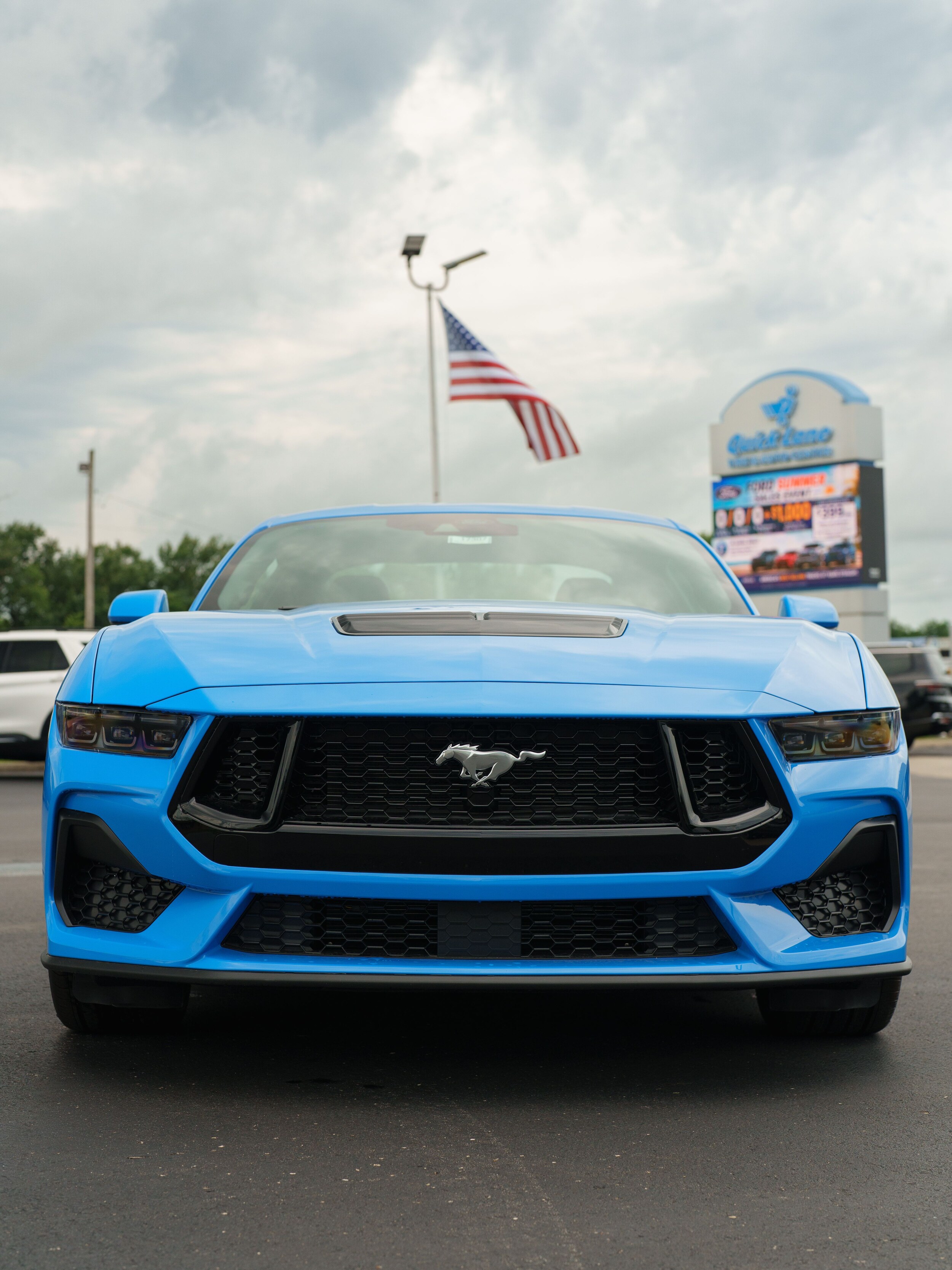
Sports cars and convertibles may attract more attention as weather improves. Four-wheel-drive trucks and SUVs may become particularly desirable as Missouri drivers prepare for winter conditions.
These patterns are not universal. A dealership's current inventory, regional demand and the availability of comparable vehicles can be more influential than the season itself.
| Vehicle Type | Potentially Favorable Period | Why Demand May Increase |
|---|---|---|
| Sports Cars and Convertibles | Spring and early summer | Warmer weather and recreational driving. |
| 4x4 Trucks | Fall, winter and year-round | Winter traction, property use and work requirements. |
| Family SUVs | Spring and late summer | Vacation travel, changing family needs and school transportation. |
| Heavy-Duty Trucks | Year-round, depending on industry demand | Construction, agriculture, commercial work and towing needs. |
| Fuel-Efficient Cars and Hybrids | Periods of stronger efficiency-focused demand | Fuel prices and changes in commuter transportation costs. |
| Affordable Used Vehicles | Tax refund season and year-round | Consumer budgets and demand for accessible transportation. |
These are potential demand influences, not measured seasonal forecasts or guaranteed trade-in pricing patterns.
When Is the Best Time to Trade In a Ford F-150?
F-150 trade values depend heavily on cab configuration, drivetrain, engine, trim, equipment, mileage and condition.
Four-wheel-drive trucks with desirable equipment can have year-round appeal throughout the Kansas City Northland. Local work, towing, agricultural and recreational needs can support demand independently of the calendar.
Explore our Ford F-150 Research Center if you are considering replacing your current truck.
When Is the Best Time to Trade In a Ford Mustang?
Spring may be an attractive time to evaluate a Mustang trade because more buyers may be considering recreational and warm-weather driving.
Engine, transmission, trim, condition and specialty equipment can have a greater effect on an individual Mustang's value than seasonal timing.
Compare replacement options through our Ford Mustang Research Center .
Calendar Timing and Dealership Purchasing Opportunities
Is It Better to Trade In a Vehicle at the End of the Month, Quarter or Year?
Month-end, quarter-end and year-end purchasing periods may coincide with manufacturer programs, inventory transitions or dealership sales objectives.
However, these dates do not automatically increase the actual market value of your trade-in.
End of the Month
Available purchase programs may change as a new month begins. Compare actual offers rather than assuming the final day is always best.
End of the Quarter
Certain manufacturer or dealership opportunities may align with quarterly business periods. Program availability varies.
End of the Year
Model-year inventory transitions and eligible purchase incentives may improve the replacement vehicle side of the transaction.
A favorable new vehicle purchase opportunity
can make trading worthwhile even if used
vehicle values are not at their seasonal peak.
Always compare the complete purchase price, trade allowance, applicable incentives and financing costs.
Understanding Odometer Milestones
What Is the Best Mileage to Trade In a Vehicle?
There is no universal mileage threshold that determines the best time to trade. Mileage is evaluated alongside age, maintenance history, condition, equipment and market demand.
Certain odometer milestones can nevertheless be useful reminders to review your vehicle's current value and future ownership costs.
| Mileage Range | Ownership Consideration | Trade-In Consideration |
|---|---|---|
| Under 30,000 Miles | Relatively low mileage, depending on age. | May appeal to shoppers seeking newer used vehicles. |
| 30,000–36,000 Miles | Some factory comprehensive warranties may be approaching expiration. | Useful opportunity to review remaining warranty and current value. |
| 36,000–60,000 Miles | Powertrain coverage may remain on some vehicles. | Condition, maintenance and remaining coverage become important. |
| 60,000–80,000 Miles | Some factory warranties may have expired. | Evaluate anticipated maintenance and repair expenses. |
| 80,000–100,000 Miles | Approaching a commonly recognized mileage milestone. | Consider an appraisal, particularly if future repairs are expected. |
| 100,000–150,000 Miles | Maintenance history and actual mechanical condition become especially relevant. | Well-maintained vehicles can continue to have meaningful resale value. |
| Over 150,000 Miles | Ownership costs depend heavily on the individual vehicle. | Retail, wholesale and specialty market opportunities may remain. |
Mileage ranges are general educational considerations, not dealership appraisal thresholds, warranty guarantees or predictions of mechanical failure.
Should I Trade In My Vehicle Before It Reaches 100,000 Miles?
Not necessarily. Some buyers use 100,000 miles as a search filter or personal shopping preference, which can influence resale demand.
However, crossing that mileage does not automatically cause a substantial or immediate reduction in vehicle value.
A dependable, properly maintained truck with 105,000 miles may be more desirable than a neglected example with 90,000 miles.
Mileage is a factor, not a deadline.
Do not purchase another vehicle solely because your current vehicle is about to cross an arbitrary odometer milestone. Compare actual trade value with the cost of replacing it.
Should I Trade Before 60,000 Miles?
For vehicles with a 60,000-mile powertrain warranty limit, approaching that mileage may provide a useful reason to evaluate your ownership plans.
Remaining warranty coverage can influence buyer confidence, but it does not guarantee that trading will be more economical than keeping a reliable vehicle.
How Long Should You Keep a Vehicle?
Is There a Best Age to Trade In a Car?
Trading a vehicle after two, three, five or ten years can produce significantly different financial outcomes depending on the original purchase price and depreciation.
1–2 Years
Early Ownership
Your vehicle may have relatively low mileage and substantial remaining warranty coverage.
However, early depreciation and a relatively high loan balance can make frequent replacement expensive.
3–4 Years
Established Ownership
Many vehicles remain desirable in the used market at this age. Factory warranty status and loan equity should be reviewed.
5–6 Years
Potential Equity Opportunity
Customers may be approaching loan payoff or have accumulated meaningful equity, depending on their financing arrangements.
7–8 Years
Longer-Term Ownership
Depreciation may have slowed relative to early ownership. Maintenance history and repair expectations become increasingly important.
9–10 Years
Mature Vehicle Ownership
A reliable, paid-off vehicle can provide economical transportation. Evaluate its condition and expected future operating costs.
10+ Years
Extended Ownership
A vehicle's actual mechanical condition may matter more than its age alone. Continued ownership can still make sense.
These age ranges are general ownership considerations, not universal recommendations or guaranteed depreciation patterns.
Is Trading Every Three Years a Good Idea?
Trading every three years may appeal to customers who prioritize newer technology, warranty coverage and regularly updating their vehicles.
However, frequently purchasing new vehicles can repeatedly expose the owner to early depreciation, transaction expenses and additional financing costs.
Customers who prefer regularly replacing their vehicle may also want to compare the economics of leasing and traditional purchase financing.
Read our guide: Should I Buy or Lease a Ford? →Understand the Cost of Vehicle Ownership
How Does Depreciation Affect the Best Time to Trade?
Depreciation is the reduction in a vehicle's market value over time. Many vehicles experience substantial depreciation during their earlier ownership years, although the actual rate varies significantly.
Vehicle depreciation is influenced by supply, demand, mileage, condition, manufacturer pricing, technology changes and broader economic conditions.
Illustrative Vehicle Depreciation Over Five Years
Hypothetical example designed to demonstrate depreciation. These values are not market averages, actual Ford resale values or predictions of future vehicle prices.
Does Trading Earlier Prevent Depreciation?
Trading earlier can reduce the amount of future depreciation you experience on your current vehicle. However, purchasing its replacement exposes you to depreciation on another vehicle.
Frequently replacing vehicles does not eliminate depreciation as an ownership cost. It can increase the total depreciation experienced across multiple vehicle purchases.
A vehicle with a lower resale value is
not necessarily a more expensive vehicle to keep.
A dependable older vehicle that depreciates slowly may provide more economical transportation than repeatedly purchasing higher-value replacement vehicles.
What Your Vehicle Is Worth vs. What You Owe
Is the Best Time to Trade When You Have Positive Equity?
Having positive trade equity can make purchasing another vehicle easier because the remaining value of your current vehicle may reduce your next purchase balance.
Trade Equity Formula
Trade-In Value − Current Loan Payoff = Net Trade Equity
Positive Equity
Trade-in value: $30,000
Loan payoff: $22,000
+$8,000
The available equity may reduce your replacement purchase balance or the amount you need to finance.
Break-Even Equity
Trade-in value: $30,000
Loan payoff: $30,000
$0
The trade can satisfy the existing loan but does not provide additional positive equity.
Negative Equity
Trade-in value: $30,000
Loan payoff: $35,000
−$5,000
The remaining deficiency must be paid or otherwise addressed in an approved transaction.
Hypothetical examples. Actual vehicle values and lender payoff amounts vary.
Should I Wait Until I Have Positive Equity Before Trading?
Waiting can be beneficial when your current vehicle remains dependable and your loan principal is decreasing faster than its market value.
However, changes in transportation needs, mechanical problems or other circumstances may justify evaluating replacement opportunities sooner.
Compare Depreciation With Principal Repayment
Will Waiting Six Months Improve Your Trade-In Position?
Waiting does not necessarily improve or worsen your trade equity. The outcome depends on how quickly your outstanding loan payoff decreases compared with your vehicle's changing value.
| Timing | Vehicle Value | Loan Payoff | Net Equity |
|---|---|---|---|
| Today | $28,000 | $29,000 | −$1,000 |
| 6 Months From Now | $26,500 | $25,500 | +$1,000 |
| 12 Months From Now | $25,000 | $22,000 | +$3,000 |
In this hypothetical example, the vehicle loses $3,000 in value over one year, while the outstanding loan payoff decreases by $7,000.
The customer's net equity improves by $4,000 despite the vehicle being worth less than it was originally.
| Timing | Vehicle Value | Loan Payoff | Net Equity |
|---|---|---|---|
| Today | $28,000 | $29,000 | −$1,000 |
| 6 Months From Now | $25,000 | $26,500 | −$1,500 |
| 12 Months From Now | $22,000 | $24,000 | −$2,000 |
Both scenarios use hypothetical values and loan balances to demonstrate equity changes. They are not future vehicle value forecasts or loan amortization schedules.
Waiting only improves your equity position
when the reduction in your payoff exceeds
the decline in vehicle value.
Improving equity also does not necessarily mean waiting was less expensive overall. Loan interest, insurance, maintenance and depreciation remain ownership expenses.
How Often Should I Check My Trade-In Value?
If you anticipate replacing your vehicle within the next year, checking its potential trade value and current loan payoff every three to six months can help you monitor your position.
If market conditions change significantly or you are considering a specific replacement vehicle, obtaining an updated appraisal may be more useful than relying on an earlier estimate.
Factory Warranty and Ownership Protection
Should I Trade In My Ford Before Its Warranty Expires?
Trading before factory warranty expiration can be appealing for customers who prioritize protection against certain unexpected mechanical expenses.
Remaining transferable warranty coverage may also be desirable to the next vehicle owner.
3 Years
36,000 Miles
Ford's standard new-vehicle bumper-to-bumper warranty generally provides coverage for three years or 36,000 miles, whichever comes first.
5 Years
60,000 Miles
Ford's standard powertrain warranty generally provides coverage for five years or 60,000 miles, whichever comes first.
Additional
Specialized Coverage
Certain diesel, hybrid, electric and other components may have separate warranty provisions. Applicable coverage varies by vehicle.
General Ford warranty information. Actual coverage depends on model year, vehicle type, in-service date, mileage, covered components, exclusions and applicable warranty terms.
Should I Replace My Vehicle When the Bumper-to-Bumper Warranty Ends?
Not automatically. The expiration of comprehensive warranty coverage does not mean the vehicle is likely to experience an immediate mechanical failure.
Consider its maintenance history, reliability, remaining powertrain coverage and your ability to manage future repair expenses.
Could an Extended Service Plan Be an Alternative to Trading?
An eligible Ford Protect extended service plan may offer an alternative for customers who want to retain their current vehicle while obtaining coverage for certain future repairs.
Compare the plan's actual cost, covered components, deductibles, limitations and eligibility with the cost of purchasing another vehicle.
For official manufacturer warranty information, visit Ford Owner Benefits and consult the applicable vehicle warranty guide.
Repair It or Replace It?
Is It Better to Trade In a Vehicle Before It Needs Major Repairs?
Anticipated mechanical expenses are an important consideration when determining whether to keep or replace your current vehicle.
However, the cost of one repair should not be compared only with the monthly payment on another vehicle.
A replacement vehicle introduces its own depreciation, financing, insurance and maintenance expenses. A repair may still be the more economical option.
Consider Keeping Your Vehicle If:
- The needed repair is isolated and manageable.
- The vehicle otherwise remains dependable.
- Your existing loan is paid off or nearly paid off.
- Replacement financing would be substantially more expensive.
- The repair is expected to provide meaningful additional service life.
Consider Exploring a Trade If:
- Mechanical problems are becoming more frequent.
- Vehicle downtime affects work or family responsibilities.
- Multiple major repairs may be approaching.
- The vehicle no longer meets your transportation requirements.
- You can comfortably afford an appropriate replacement.
Does a $3,000 Repair Justify Buying Another Vehicle?
Not necessarily. A $3,000 repair that provides another two years of dependable service represents an average of $125 per month over that period.
A replacement vehicle may require a much larger monthly payment, although the new payment includes principal repayment and is not entirely an ownership expense.
| Additional Ownership Period | Average Monthly Repair Cost |
|---|---|
| 6 Months | $500.00 |
| 12 Months | $250.00 |
| 24 Months | $125.00 |
| 36 Months | $83.33 |
Illustrative allocation of one repair expense. Other maintenance, repairs, depreciation, financing and operating costs are excluded. Additional vehicle service life is not guaranteed.
Know the actual condition of your
vehicle before deciding to replace it.
Chuck Anderson Ford's service department can help evaluate maintenance and repair concerns, while our sales team can help establish your current trade-in value.
Enjoying Vehicle Ownership Without a Loan Payment
Should I Trade My Vehicle Right After Paying It Off?
Paying off your vehicle can create a favorable trade equity position, but it does not automatically make trading the best financial decision.
Keeping a dependable paid-off vehicle allows you to continue using it without a required monthly loan payment. It also gives you an opportunity to save toward a future purchase.
| Time After Payoff | Potential Savings Contributions |
|---|---|
| 6 Months | $3,600 |
| 12 Months | $7,200 |
| 18 Months | $10,800 |
| 24 Months | $14,400 |
| 36 Months | $21,600 |
Hypothetical savings contributions assuming $600 is set aside every month. Excludes interest earned, vehicle operating expenses and potential withdrawals.
Can Keeping a Paid-Off Vehicle Give Me a Larger Future Down Payment?
Potentially. Saving money previously allocated to a vehicle payment can provide additional purchasing flexibility when you eventually replace the vehicle.
Your remaining trade-in value may also contribute toward that future purchase. However, vehicle depreciation and maintenance costs should still be considered.
A paid-off vehicle is not a reason
by itself to start another car payment.
Trade when the replacement vehicle provides meaningful value for your transportation needs and overall financial circumstances.
Learn more through our guide: How Much Should I Put Down on a Ford?
When Life Changes, Your Vehicle Needs May Change Too
When Should You Trade Because Your Vehicle No Longer Fits Your Needs?
The financially optimal time to trade is not always the most practical time.
Changes in your family, job, commute, recreational activities or business requirements may create legitimate reasons to consider another vehicle.
A vehicle that was perfect for your circumstances five years ago may no longer provide the passenger space, towing capability, fuel economy or reliability you need today.
Growing Families
Additional passengers, car seats and cargo may create a need for a larger SUV.
Explore Ford Explorer →Longer Commutes
A change in daily driving distance may make fuel efficiency and comfort more important.
Explore Ford Maverick →Increased Towing Requirements
Purchasing a camper, trailer or boat may require a vehicle with different towing and payload capabilities.
Explore Ford F-150 →Business Growth
Expanding work requirements can create a need for a properly equipped commercial or heavy-duty truck.
Explore Ford Super Duty →Outdoor Recreation
Changing recreational interests may increase the importance of off-road capability and outdoor versatility.
Explore Ford Bronco →More Passenger and Cargo Space
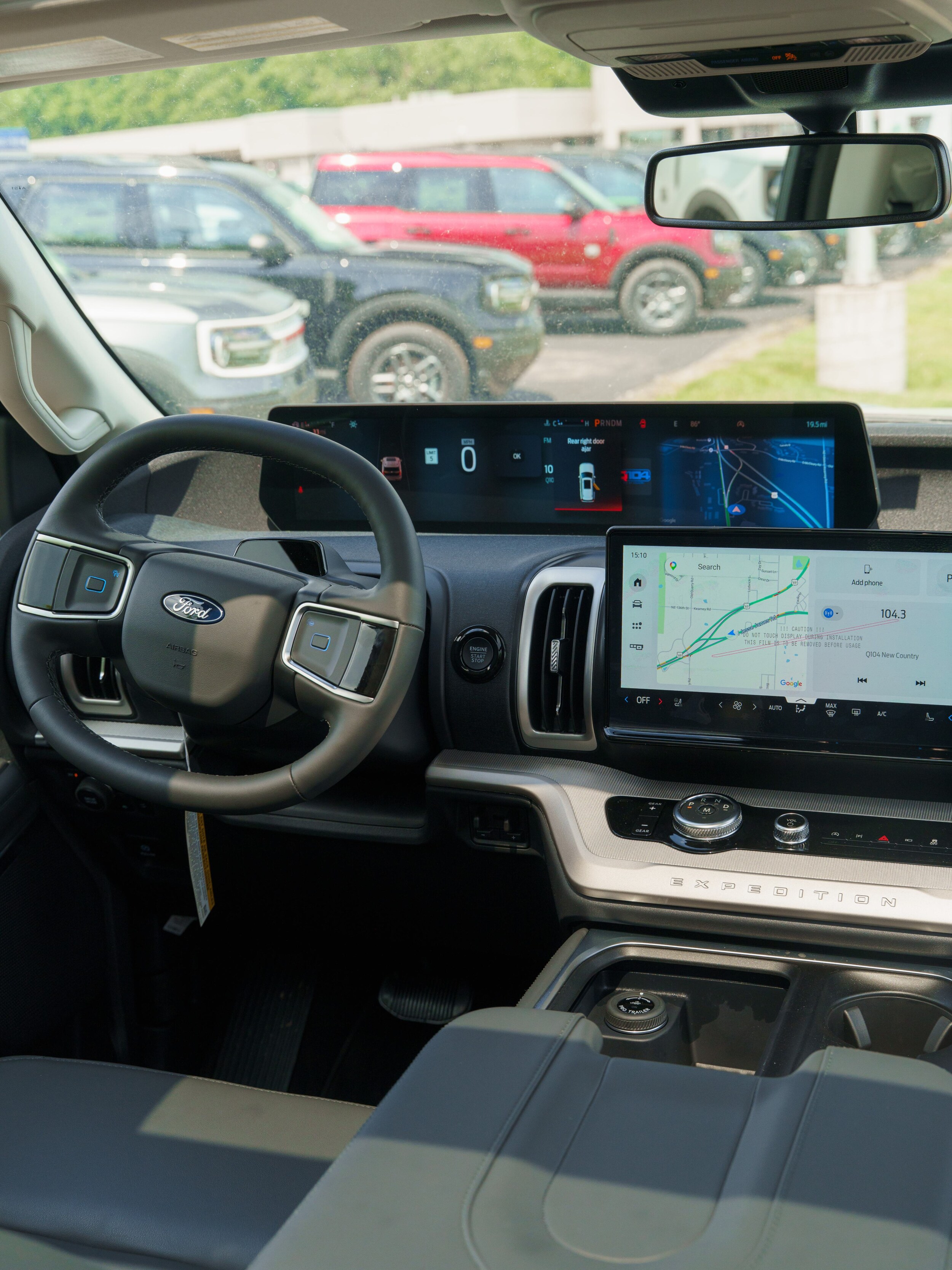
Customers who need greater interior space may benefit from evaluating full-size SUVs.
Explore Ford Expedition →The Replacement Purchase Matters Just as Much
Should You Trade When Ford Offers Large Rebates or Low Interest Rates?
Eligible Ford purchase incentives can improve the financial terms of replacing your vehicle.
A favorable manufacturer rebate, promotional financing program or dealership purchase opportunity may make trading worthwhile even when your current vehicle's value is not at its highest point.
| Transaction Component | Trade Today | Trade Later |
|---|---|---|
| Replacement Ford Price | $45,000 | $45,000 |
| Hypothetical Purchase Incentive | −$2,000 | −$5,000 |
| Trade-In Allowance | −$25,000 | −$23,500 |
| Existing Loan Payoff | $18,000 | $16,500 |
| Net Trade Equity | $7,000 | $7,000 |
| Remaining Purchase Balance | $36,000 | $33,000 |
Hypothetical transaction comparison excluding taxes, fees, interest and the ownership costs incurred while waiting. Incentive amounts are illustrative and not current Ford offers.
In this example, the customer's trade loses $1,500 in market value, but its loan payoff decreases by the same amount.
The larger hypothetical purchase incentive produces a lower remaining purchase balance despite the lower trade-in offer.
Do not confuse the highest trade-in
allowance with the best overall deal.
Compare selling price, trade equity, applicable incentives, financing, taxes and all costs associated with waiting or purchasing today.
Automotive Product Cycles
Should I Trade Before a New Model Year or Vehicle Redesign Comes Out?
New model-year arrivals and major vehicle redesigns can influence the demand for previous-generation vehicles.
Some buyers prefer the newest technology and styling. Others prefer an established model or a previous-generation vehicle at a more attractive price.
Potential Benefits of Trading Earlier
- Your current vehicle may still belong to the newest generation.
- Its styling and technology may be particularly current.
- You may avoid some uncertainty associated with a redesign.
Potential Benefits of Waiting
- Replacement inventory and incentives may improve.
- You may accumulate additional trade equity.
- You can evaluate the new generation before committing to a purchase.
There is no guarantee that a redesign will reduce the value of your current vehicle. Supply constraints, consumer preferences and desirable discontinued configurations can produce different outcomes.
Stay informed about new Ford models through our complete Ford Research Hub .
Do Not Overlook Your Existing Financing
Should I Trade In a Vehicle With a Low Interest Rate?
If you currently have a favorable interest rate, replacing your vehicle could require financing at a higher borrowing cost.
This may be particularly important for customers with existing promotional financing agreements.
Keeping Your Existing Vehicle
- Retain your existing contractual interest rate.
- Continue reducing the remaining loan balance.
- Avoid immediately restarting a longer repayment term.
- Continue using a vehicle with known ownership history.
Replacing Your Existing Vehicle
- Obtain a vehicle that may better meet your needs.
- Explore available manufacturer financing programs.
- Potentially receive new factory warranty coverage.
- Evaluate a new loan balance and repayment schedule.
Your existing financing agreement is
part of your vehicle's overall
financial position.
Compare the remaining cost of your current loan with the proposed replacement loan, including interest, repayment term and total payments.
An Important Missouri Vehicle Ownership Consideration
How Do Missouri Sales Tax Savings Affect When You Should Trade?
Missouri allows eligible trade-in allowances to reduce the taxable purchase price of a qualifying replacement vehicle.
Missouri's motor vehicle sales tax includes a state rate of 4.225%, plus applicable local sales taxes based on the buyer's residence.
| Qualifying Trade-In Allowance | Potential State Sales Tax Savings |
|---|---|
| $10,000 | $422.50 |
| $20,000 | $845.00 |
| $25,000 | $1,056.25 |
| $30,000 | $1,267.50 |
| $40,000 | $1,690.00 |
Illustrations assume the entire trade allowance reduces an otherwise taxable vehicle purchase by the stated amount. Local taxes and other adjustments are excluded.
Can I Sell My Vehicle Now and Buy Another One Later?
Potentially, yes. Missouri also provides a sales tax allowance for qualifying separately completed vehicle purchases and sales.
The sale date and purchase or purchase-contract date must generally be within 180 days of one another. Applicable documentation and eligibility requirements must be met.
Missouri Separate-Sale Tax Allowance
180 Days
You May Have More Flexibility Than You Think
If you have another source of transportation, you may be able to sell your current vehicle during a favorable market period and purchase a replacement later.
Chuck Anderson Ford purchases qualifying vehicles directly from owners without requiring another vehicle purchase.
Verify tax eligibility and documentation with the Missouri Department of Revenue before relying on a separate-sale allowance.
Compare selling privately and trading through our related guide: Should I Trade My Vehicle or Sell It Myself?
Make an Informed Ownership Decision
Should You Trade In Your Vehicle Now or Wait?
Signs It May Be a Good Time to Trade
- You have a favorable current vehicle appraisal.
- You have positive or manageable trade equity.
- Your vehicle no longer meets your needs.
- Mechanical issues are affecting reliability.
- Eligible incentives improve the replacement purchase.
- You have found an appropriately equipped replacement.
- The proposed ownership costs fit your budget.
Signs You May Be Better Off Waiting
- Your current vehicle is dependable and meets your needs.
- You have substantial negative equity.
- Your existing financing has a favorable interest rate.
- You recently purchased the vehicle.
- Your next payment would strain your budget.
- You can improve your financial position by waiting.
- You are replacing the vehicle solely because of a mileage milestone.
A favorable appraisal does not obligate
you to purchase another vehicle.
Understanding your actual trade value can help you decide whether to move forward today or continue evaluating your options.
Different Owners, Different Answers
Common Vehicle Trade-In Timing Scenarios
Low Mileage
Two-Year-Old Truck With 25,000 Miles
Your truck may have strong resale appeal, but early depreciation and remaining loan obligations should be considered.
Start with: An appraisal and current loan payoff.
Warranty Expiration
Three-Year-Old SUV With 35,000 Miles
Review the actual remaining factory coverage and compare keeping the vehicle with purchasing another one.
Start with: Warranty verification and a trade valuation.
Positive Equity
Five-Year-Old Truck With $10,000 in Equity
You may have meaningful purchasing flexibility without requiring a large additional cash contribution.
Start with: Comparing replacement transaction costs.
Mileage Milestone
SUV Approaching 100,000 Miles
Evaluate current market value, maintenance history and anticipated repair expenses. The mileage alone is not a deadline.
Start with: A condition evaluation and appraisal.
No Vehicle Payment
Dependable Paid-Off Daily Driver
Continuing ownership may provide financial advantages and allow you to save for a future purchase.
Start with: Comparing continued ownership costs.
Negative Equity
Vehicle With $7,000 in Negative Equity
Waiting may be beneficial if you can improve your equity position and your vehicle remains dependable.
Start with: Reviewing the payoff, appraisal and available alternatives.
Your Vehicle Replacement Decision
How to Determine Whether Now Is the Best Time to Trade Your Vehicle
1
Obtain a Current Vehicle Valuation
Start with a Kelley Blue Book Instant Cash Offer or an in-person Chuck Anderson Ford appraisal.
Start My Valuation →2
Request Your Loan Payoff
If your vehicle is financed, obtain an accurate current payoff quote from your lender.
3
Review Your Equity
Calculate the difference between your appraised value and outstanding loan payoff.
4
Evaluate Vehicle Condition
Review maintenance history, upcoming service needs, mechanical concerns and remaining warranty coverage.
5
Compare Replacement Opportunities
Review available Ford models, actual selling prices, applicable incentives and proposed financing.
Shop New Ford Vehicles →6
Decide Whether to Trade or Wait
Compare the complete cost of keeping your current vehicle against the cost and benefits of replacing it.
If you have never traded a vehicle before, read our complete guide: How Does Trading In a Vehicle Work?
The Chuck Anderson Ford Perspective
Our Recommendation: Trade When the Numbers and Your Needs Align
At Chuck Anderson Ford, we do not believe there is a single calendar date, vehicle age or mileage that tells every customer when to trade.
We believe the decision should start with the actual value of your current vehicle, your financial position and what you need from your next vehicle.
1
Know Your Vehicle's Value
Obtain a realistic, market-based appraisal rather than relying exclusively on estimates.
2
Understand Your Ownership Position
Evaluate your equity, remaining loan terms, maintenance and future transportation requirements.
3
Compare Your Options
Trade your vehicle, sell it directly to us or continue driving it until the timing is right.
The best time to trade your vehicle is when replacing it makes sense for you, not simply when someone tells you that you should.
Give Chuck Anderson Ford the opportunity to evaluate what you currently own. You may discover that trading today makes sense, or you may gain valuable information for a future purchasing decision.
Vehicle Trade-In Timing FAQs
Frequently Asked Questions About the Best Time to Trade In a Vehicle
When is the best time to trade in a vehicle?
The best time is generally when your vehicle has favorable market value, manageable or positive equity and desirable condition, and when purchasing a replacement makes financial sense. There is no universal best month or mileage.
What is the best month to trade in a car?
Spring and early summer have historically been favorable periods for used-vehicle values. However, current market conditions, vehicle demand and replacement purchasing opportunities can make other months attractive.
What is the best mileage to trade in a vehicle?
There is no universal best mileage. Reviewing your vehicle's value near 36,000, 60,000 or 100,000 miles may be useful, but condition, warranty coverage, age and equity also matter.
Should I trade my car before it reaches 100,000 miles?
Not necessarily. Reaching 100,000 miles does not automatically cause a substantial reduction in value. Maintenance history, mechanical condition and market demand remain important appraisal factors.
Should I trade my Ford before the warranty expires?
Trading before warranty expiration may appeal to customers who prioritize factory coverage. However, keeping a dependable vehicle or purchasing an eligible extended service plan may be more economical.
Is it better to trade in a vehicle at the end of the year?
Year-end incentives and model-year transitions may improve replacement purchase opportunities. They do not automatically increase trade-in value. Compare the complete transaction.
Should I wait until my car is paid off before trading it in?
You do not necessarily need to pay off your vehicle before trading. Positive equity can improve purchasing flexibility, while negative equity must be addressed through the transaction.
Should I trade in my vehicle immediately after paying it off?
Not automatically. Keeping a dependable paid-off vehicle can provide economical transportation and an opportunity to save money toward a future purchase.
Will my trade equity improve if I wait another year?
It may improve if your loan payoff decreases faster than your vehicle's market value. If depreciation exceeds principal repayment, your equity position may worsen instead.
Is spring the best time to trade in a Ford Mustang?
Spring may provide favorable demand for sports cars as the weather improves. Actual Mustang trade values depend on trim, equipment, mileage, condition and current market demand.
Is winter a good time to trade in a four-wheel-drive truck?
Four-wheel-drive trucks may experience increased demand as buyers prepare for winter conditions. However, local inventory and actual vehicle desirability also influence trade-in offers.
Should I repair my vehicle or trade it in?
Compare the expected cost and reliability of keeping your vehicle with the complete cost of purchasing a replacement. An isolated repair may be less expensive than replacing an otherwise dependable vehicle.
Can Ford incentives make it a good time to trade?
Yes. Eligible purchase incentives or promotional financing may improve the overall replacement transaction. Compare the vehicle price, trade equity, financing costs and applicable program terms.
Can I sell my vehicle now and purchase another one later in Missouri?
Yes. Qualifying separate vehicle sales and purchases may receive a Missouri sales tax allowance when the applicable sale and purchase or purchase-contract dates are within 180 days of one another and documentation requirements are satisfied.
Where can I find out if now is a good time to trade my vehicle near Kansas City?
Chuck Anderson Ford at 1910 W Jesse James Road in Excelsior Springs, Missouri, offers vehicle appraisals and trade-in assistance. Call 816-648-6419 or begin online with a Kelley Blue Book Instant Cash Offer.
Continue Your Ford Purchasing Research
Explore More Vehicle Trade-In and Ford Purchasing Guides
How Does Trading In a Vehicle Work? →
Understand appraisals, trade allowances, paperwork and the complete trade-in process.
Should I Trade My Vehicle or Sell It Myself? →
Compare dealership offers, private sales and Missouri tax allowances.
Can I Trade In a Car I Still Owe Money On? →
Learn how outstanding loans and vehicle liens are handled.
What Happens If I Owe More Than My Trade Is Worth? →
Understand negative equity and available alternatives.
Can Negative Equity Be Rolled Into a New Vehicle Loan? →
Compare lender requirements and the cost of financing previous debt.
How Much Should I Put Down on a Ford? →
Explore the impact of cash down and available trade equity.
Can I Buy a Ford With No Money Down? →
Learn about eligible zero-down purchasing arrangements.
What Credit Score Do You Need to Finance a New Ford? →
Understand automotive credit requirements and financing eligibility.
Should I Buy or Lease a Ford? →
Compare ownership costs, flexibility and vehicle replacement cycles.
Low APR vs. Cash Rebates →
Compare the financial effects of eligible manufacturer incentives.
Kelley Blue Book Instant Cash Offer →
Start evaluating your current vehicle's market value.
Sell Your Vehicle to Chuck Anderson Ford →
Sell your qualifying vehicle without buying another one.
Research Your Next Ford
Find the Right Vehicle Before Deciding When to Trade
Identifying the right replacement vehicle is an important part of determining when to trade. Compare Ford trucks, SUVs and performance vehicles through our dedicated model research centers.
Ford F-150 →
Full-size truck capability, engine choices, towing and everyday utility.
Ford Maverick →
Compact pickup practicality and available hybrid efficiency.
Ford Ranger →
Midsize pickup versatility for work and recreation.
Ford Super Duty →
Heavy-duty truck capability for demanding work and towing.
Ford Explorer →
Three-row SUV flexibility for growing families.
Ford Expedition →
Full-size passenger space, cargo flexibility and towing.
Ford Bronco →
Off-road capability and open-air driving experiences.
Ford Bronco Sport →
Compact SUV versatility for daily driving and outdoor recreation.
Ford Mustang →
Explore Ford's performance car lineup and driving experiences.
Serving the Kansas City Northland Since 1974
Find the Best Time to Trade Your Vehicle Near Kansas City, Missouri
Chuck Anderson Ford is a family-owned Ford dealership located in Excelsior Springs, Missouri, serving vehicle owners throughout the Kansas City Northland and surrounding communities.
Our team evaluates vehicles individually based on their mileage, condition, equipment, history, market demand and realistic resale opportunities.
Missouri's changing seasons, local commuting requirements, agricultural activity, business needs and recreational interests can all influence demand for different types of vehicles.
Whether you currently drive a Ford, Chevrolet, GMC, Ram, Toyota, Honda, Jeep or another brand, we welcome the opportunity to evaluate what you own.
Trade In Your Vehicle in Excelsior Springs, MO →
Local appraisals and trade-in assistance at your hometown Ford dealership.
Vehicle Trade-In Value Near Liberty, MO →
Determine whether your current vehicle is ready for replacement.
Trade-In Assistance Near Kearney, MO →
Evaluate your current truck, car or SUV and its potential equity.
Vehicle Appraisals Near Lawson, MO →
Explore the market value of your current vehicle.
Trade-In Value Near Smithville, MO →
Compare your vehicle's current value with replacement opportunities.
Kansas City Northland Trade-In Assistance →
Speak with our team about your vehicle and ownership plans.
Trusted Automotive Research
Additional Resources for Vehicle Trade-In Timing and Ownership
The following manufacturer, automotive research and government resources provide additional information about vehicle values, depreciation, warranty coverage, financing and Missouri taxes.
- Edmunds: When Is the Best Time to Trade In a Car?
- Kelley Blue Book Vehicle Valuation Resources
- CFPB: Should I Trade In My Car if It Is Not Paid Off?
- Ford Owner Benefits and Warranty Information
- Official Ford Protect Extended Service Plan Information
- Missouri Department of Revenue: Buying a Vehicle
- Missouri Motor Vehicle Sales Tax Allowance FAQs
- Missouri Motor Vehicle Sales Tax Calculator
Your Hometown Ford Dealer Since 1974
Wondering If Now Is the Right Time to Trade? Give Us a Shot.
You do not have to wait until spring. You do not have to wait until your vehicle is paid off. You do not have to trade before reaching 100,000 miles.
Start by finding out what your vehicle is actually worth.
At Chuck Anderson Ford, we welcome the opportunity to evaluate your current car, truck, SUV or specialty vehicle and help you understand the options available to you.
Whether you decide to trade today, sell your vehicle directly to us or continue driving it, knowing your numbers is a valuable first step.
Your vehicle. Your timeline. Your decision.
Chuck Anderson Ford
1910 W Jesse James Road
Excelsior Springs, MO 64024
Sales:
816-648-6419
Built on Integrity. Backed by Family.
Information on this page is provided for general educational purposes and does not constitute a specific offer to purchase, finance or lease a vehicle, or individualized financial, legal or tax advice. Historical seasonal demand patterns do not guarantee future vehicle values, appraisal results or purchase opportunities. Vehicle values are subject to physical inspection, mileage, equipment, condition, vehicle history, title status, ownership verification and current market conditions. Kelley Blue Book Instant Cash Offers are subject to applicable program terms, offer validity and vehicle verification. All numerical examples are hypothetical educational illustrations, not actual vehicle appraisals, market depreciation averages, future valuation forecasts or advertised financing offers. Actual vehicle depreciation and loan balances vary. Mileage and vehicle age ranges do not establish universal appraisal thresholds or predict mechanical failures. Warranty coverage varies according to vehicle, model year, in-service date, mileage, covered components, exclusions and applicable warranty terms. Ford Protect extended service plans are subject to eligibility, coverage, exclusions and contractual requirements. Repair costs and future vehicle service life cannot be guaranteed. Manufacturer incentives and promotional financing programs are subject to change, eligibility requirements and applicable program availability. Not all incentives may be combined. All financing is subject to credit approval and lender requirements. Missouri sales tax examples assume qualifying trade-in allowances and exclude applicable local taxes, fees and other adjustments unless otherwise specified. Separate-sale tax allowances are subject to applicable Missouri timing, documentation and eligibility requirements. Vehicle photographs are illustrative and do not establish current inventory availability, pricing, model year or financing eligibility.