
2026 Ford Ranger 2.3L EcoBoost
Standard Ranger Power
2026 Ford Ranger 2.3L EcoBoost Engine
The 2.3L EcoBoost is the standard engine across the conventional 2026 Ford Ranger lineup, powering Ranger XL, XLT and Lariat. Ford rates it at 270 horsepower and 310 lb-ft of torque, paired with an electronic 10-speed automatic transmission. It supports both 4x2 and available 4x4 configurations, can reach up to 7,500 pounds of properly equipped towing, and supports the highest published Ranger payload configuration. For many buyers, that makes the 2.3L EcoBoost far more than simply the starting engine.

270 HPHorsepower
310 LB-FTTorque
7,500 LBSMax Available Towing
1,767 LBSMax Available Payload
The Core Ranger Powertrain
Why Ford Uses the 2.3L EcoBoost Across XL, XLT and Lariat
The 2.3L EcoBoost is the only engine offered across all three conventional Ranger trims.
That tells you something important about the role it plays.
It is not reserved only for the lowest-price Ranger.
Ford uses the same basic powertrain in Ranger XL, XLT and Lariat because its combination of turbocharged torque, towing capability, payload capacity and everyday drivability covers a very broad range of truck use.
A buyer can therefore choose more equipment, comfort and technology without being forced into a larger engine.
2.3L EcoBoost Highlights
- Turbocharged 2.3L four-cylinder
- 270 horsepower
- 310 lb-ft of torque
- Electronic 10-speed automatic
- Auto Start-Stop Technology
- Standard on Ranger XL
- Standard on Ranger XLT
- Standard on Ranger Lariat
- 4x2 or available 4x4
- Up to 7,500 lbs of towing
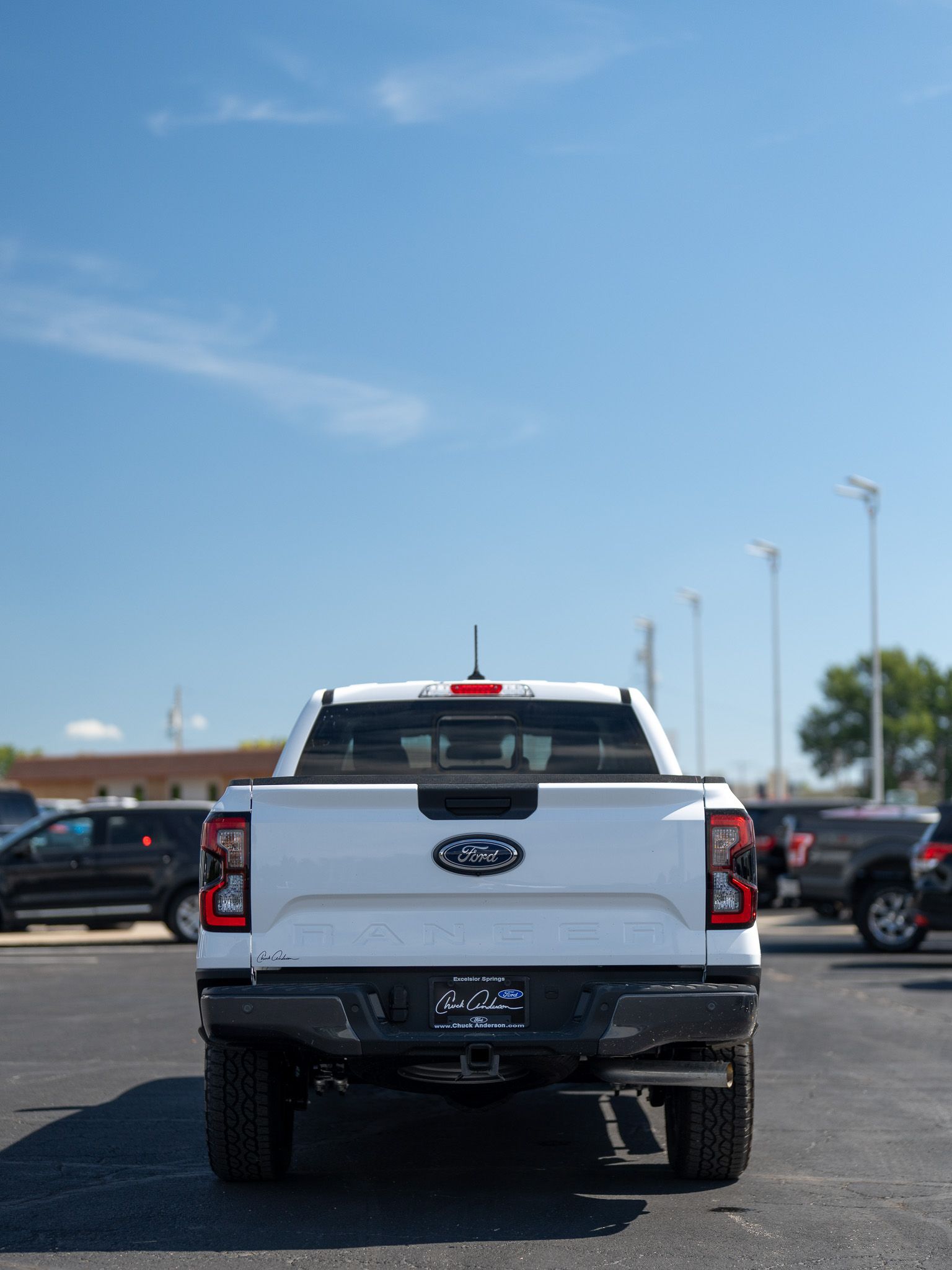
270 Horsepower
Enough Power for the Ranger's Everyday Mission
Ford rates the 2.3L EcoBoost at 270 horsepower and 310 lb-ft of torque.
Turbocharging helps the smaller-displacement engine produce the low-end pulling power expected from a modern pickup.
That matters more in a truck than simply chasing a large peak horsepower number.
The 310 lb-ft torque rating supports everyday acceleration, merging, hauling, recreational use and properly equipped towing.
10-Speed Automatic
Every 2.3L Ranger Uses Ford's 10-Speed Automatic
Ford pairs the 2.3L EcoBoost with an electronic 10-speed automatic transmission.
The wider spread of transmission ratios allows the powertrain to keep the engine in a useful operating range across low-speed driving, highway use, towing and acceleration.
There is no manual-transmission Ranger in the current 2026 U.S. lineup.
4x2 or 4x4
The 2.3L Offers the Broadest Drivetrain Flexibility
One advantage of the 2.3L EcoBoost is drivetrain choice.
Ranger XL, XLT and Lariat can be configured with 4x2 or available 4x4 when using the 2.3L engine.
That gives buyers more control over price, payload, traction needs and intended use.
A 4x2 configuration may be ideal for primarily paved daily driving and maximum available payload, while 4x4 adds useful traction for snow, loose surfaces, rural roads and recreational use.
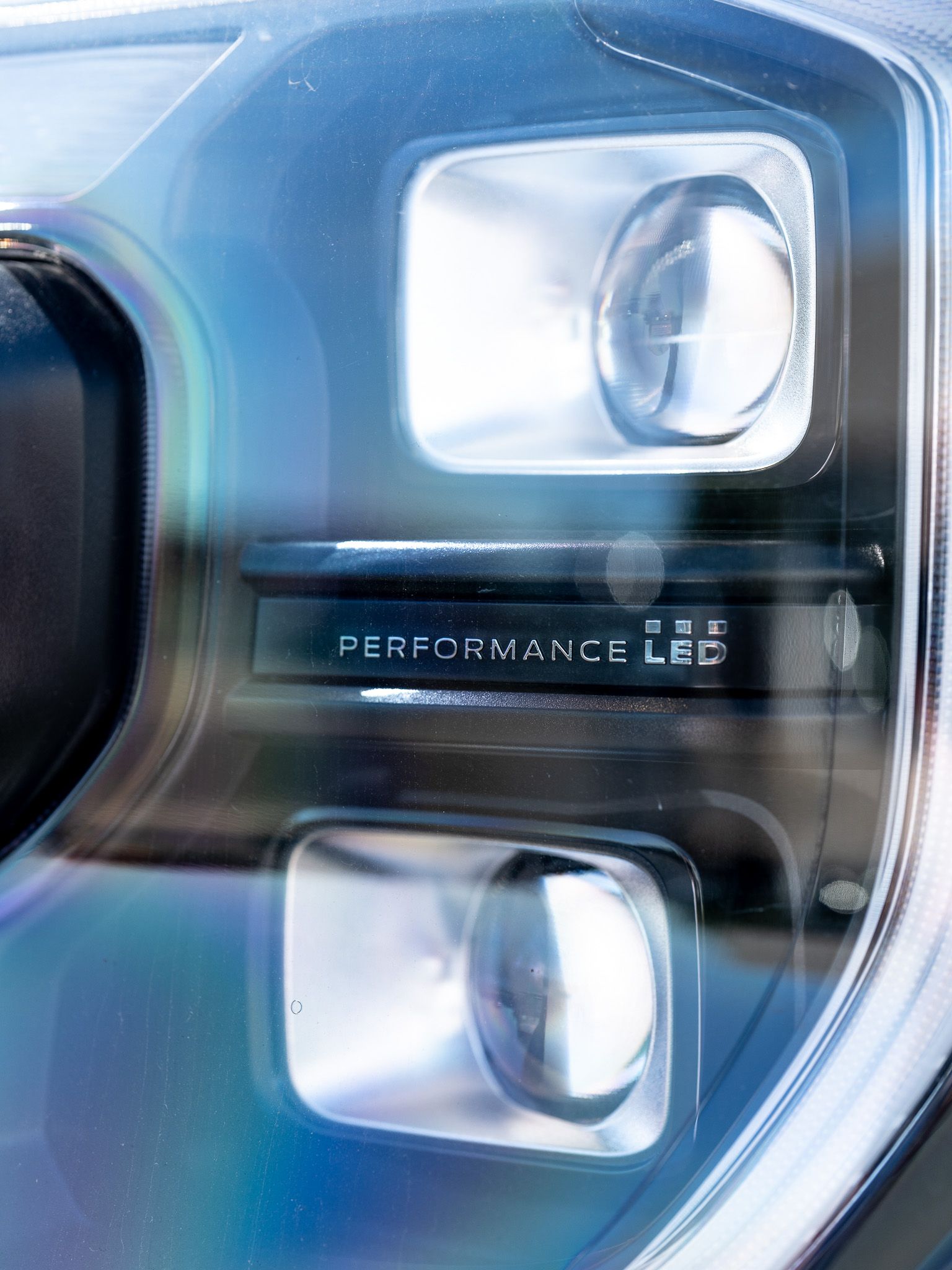
2.3L EcoBoost Towing
Up to 7,500 Pounds When Properly Equipped
Properly equipped Ranger models using the 2.3L EcoBoost can reach a maximum loaded trailer rating of 7,500 pounds.
That applies to both applicable 4x2 and SuperCrew 4x4 configurations.
Ford requires the Trailer Tow Package when towing trailers above 3,500 pounds.
Actual towing capacity depends on configuration, passengers, cargo, accessories, hitch equipment and trailer weight.
Do You Need the V6 for Towing?
Not Necessarily
One of the most important Ranger powertrain facts is that the 2.3L EcoBoost and available 2.7L EcoBoost V6 can both reach the same 7,500-pound maximum conventional Ranger towing rating when properly equipped.
7,500-LB Maximum
The 2.3L can reach the same maximum conventional Ranger tow rating as the 2.7L V6.
V6 Adds Torque
The 2.7L's advantage is stronger engine output, especially its 400 lb-ft torque rating.
Match the Engine to Use
Occasional towing does not automatically mean you need the larger engine.
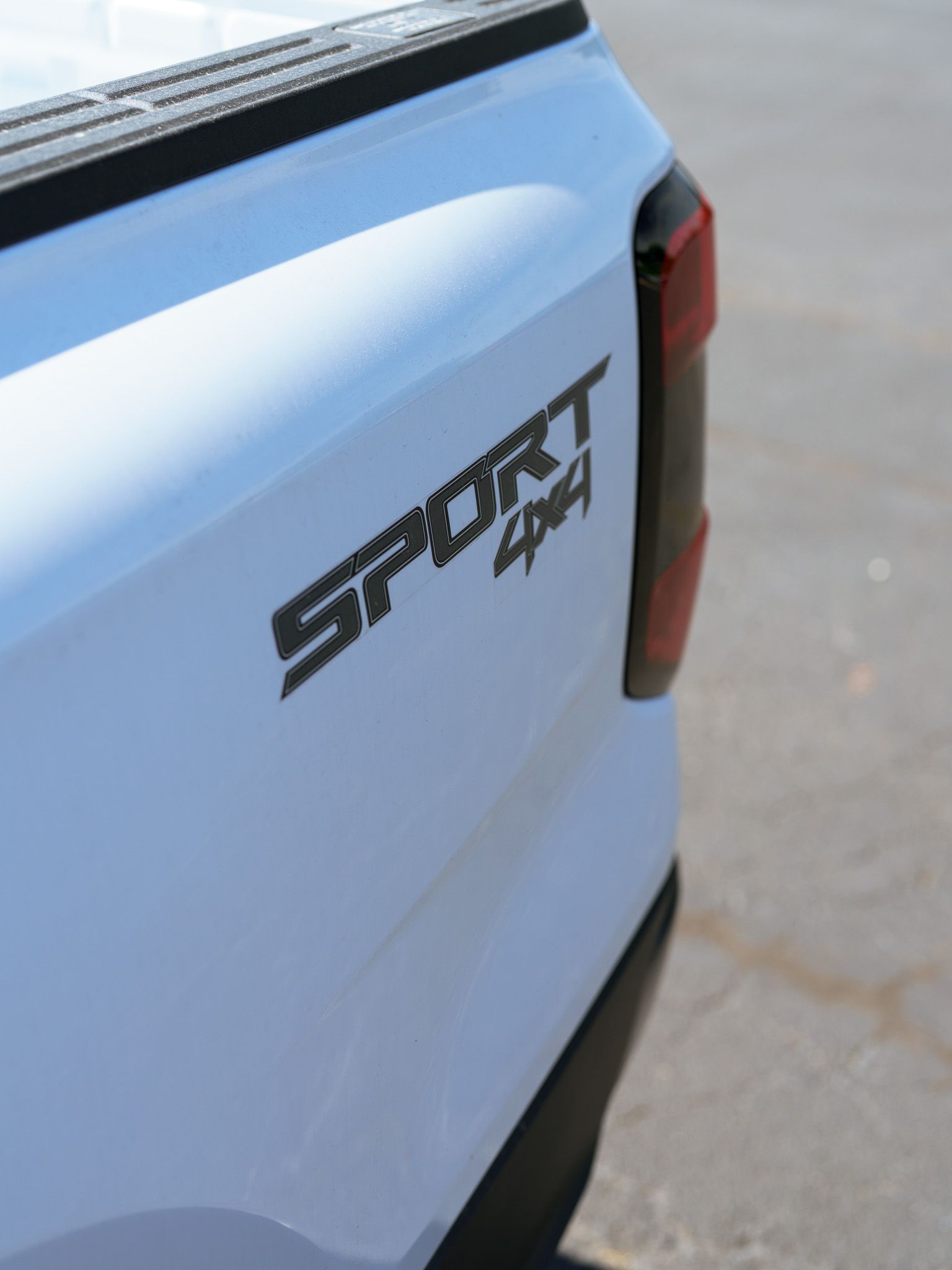
Ranger Payload
The 2.3L Supports the Highest Available Ranger Payload
Ford lists a maximum available payload of 1,767 pounds for applicable 2.3L EcoBoost Ranger 4x2 configurations.
A 2.3L SuperCrew 4x4 can reach up to 1,763 pounds of maximum available payload.
By comparison, applicable 2.7L 4x4 configurations are rated up to 1,513 pounds.
For buyers focused heavily on carrying passengers, tools, equipment or bed cargo, the standard engine can actually be the more useful configuration.
Ranger Payload Comparison
Why Engine Size Does Not Equal Payload Capacity
| Configuration | Maximum Available Payload |
|---|---|
| 2.3L EcoBoost 4x2 | Up to 1,767 lbs |
| 2.3L EcoBoost 4x4 | Up to 1,763 lbs |
| 2.7L EcoBoost V6 4x4 | Up to 1,513 lbs |
| Ranger Raptor 3.0L | Up to 1,513 lbs |
2.3L EcoBoost Trim Availability
One Engine, Three Different Rangers
Ranger XL
The 2.3L is the only engine offered on Ranger XL and supports both value-focused 4x2 and capability-focused 4x4 configurations.
Ranger XLT
The 2.3L comes standard on XLT, while buyers wanting additional torque can step up to the available 2.7L V6.
Ranger Lariat
Even the premium Ranger Lariat uses the 2.3L EcoBoost as its standard engine, reinforcing how broadly capable the powertrain is.
2.3L vs 2.7L EcoBoost
When Is the V6 Upgrade Worth It?
| Feature | 2.3L EcoBoost | 2.7L EcoBoost V6 |
|---|---|---|
| Horsepower | 270 hp | 315 hp |
| Torque | 310 lb-ft | 400 lb-ft |
| Transmission | 10-speed automatic | 10-speed automatic |
| 4x2 Availability | Yes | No |
| 4x4 Availability | Yes | Yes |
| Trim Availability | XL / XLT / Lariat | XLT / Lariat |
| Max Available Towing | 7,500 lbs | 7,500 lbs |
| Highest Available Payload | 1,767 lbs | 1,513 lbs |
| Best Reason to Choose It | Broad availability, payload, towing and value | More torque and stronger acceleration |
Do You Actually Need the V6?
More Torque Is Useful, but the 2.3L Already Covers Most Ranger Jobs
The 2.7L EcoBoost V6 provides a meaningful 90 lb-ft increase in torque.
That can be worthwhile for buyers who want stronger acceleration, frequently tow, regularly drive loaded, or simply prefer the additional power.
But the 2.3L can still reach the same 7,500-pound maximum conventional Ranger towing rating.
It also provides the highest available Ranger payload configuration and gives buyers the option of 4x2.
For normal commuting, moderate hauling, occasional towing, camping, home projects and general truck use, the standard engine may already be the better match.
2.3L vs Raptor 3.0L
These Engines Are Built Around Completely Different Ranger Missions
Ranger Raptor's 3.0L EcoBoost V6 produces 405 horsepower and 430 lb-ft of torque.
That is substantially more output than the 2.3L.
But choosing the 3.0L also means choosing Ranger Raptor, its specialized suspension, locking axles, standard 4x4 and off-road-focused chassis.
Raptor is therefore not simply the next engine upgrade after the 2.7L.
It is an entirely different type of Ranger.
Who Should Choose the 2.3L EcoBoost?
It Makes Sense for More Buyers Than the Word "Standard" Suggests
Daily Driver
Strong turbocharged torque with broad trim and drivetrain availability.
Payload Buyer
Supports the highest published Ranger payload configuration.
Towing Buyer
Up to 7,500 pounds when properly equipped.
Value-Focused Buyer
Avoid paying for additional engine output you may not use.
Compare Ranger Engines
Explore the Complete 2026 Ranger Powertrain Lineup
Rangers Powered by the 2.3L
Choose the Trim Around the Equipment You Want
From Research to Ownership
Continue Through Chuck Anderson Ford
Frequently Asked Questions
2026 Ford Ranger 2.3L EcoBoost FAQs
How much horsepower does the 2026 Ranger 2.3L EcoBoost have?
The 2026 Ford Ranger 2.3L EcoBoost produces 270 horsepower and 310 lb-ft of torque.
Is the 2.3L EcoBoost turbocharged?
Yes. The 2.3L EcoBoost is a turbocharged four-cylinder engine.
Which 2026 Ranger trims use the 2.3L EcoBoost?
The 2.3L EcoBoost is standard on Ranger XL, XLT and Lariat.
What transmission is paired with the 2.3L Ranger engine?
The 2.3L EcoBoost is paired with an electronic 10-speed automatic transmission.
Can the 2.3L Ranger be ordered with 4x4?
Yes. The 2.3L EcoBoost is available with either 4x2 or available 4x4 on conventional Ranger trims.
How much can the 2.3L Ford Ranger tow?
Properly equipped 2.3L EcoBoost Ranger configurations can tow up to 7,500 pounds.
How much payload can the 2.3L Ranger carry?
Applicable 2.3L Ranger 4x2 configurations can carry up to 1,767 pounds of maximum available payload, while applicable 4x4 configurations can reach up to 1,763 pounds.
Does the 2.3L Ranger tow as much as the 2.7L V6?
Yes. Properly equipped conventional Ranger configurations with either the 2.3L EcoBoost or 2.7L EcoBoost V6 can reach a maximum towing rating of 7,500 pounds.
Is the 2.7L EcoBoost better than the 2.3L?
The 2.7L V6 produces more power and considerably more torque: 315 horsepower and 400 lb-ft versus 270 horsepower and 310 lb-ft. The 2.3L remains a strong choice for payload, towing, value and everyday truck use.
Which Ranger engine is best for payload?
The highest published Ranger payload configuration uses the 2.3L EcoBoost, reaching up to 1,767 pounds in applicable 4x2 models.
Do I need the 2.7L V6 to tow a camper with a Ranger?
Not necessarily. The 2.3L EcoBoost can tow up to 7,500 pounds when properly equipped. Whether a specific trailer is appropriate depends on its loaded weight, tongue weight, vehicle configuration, passengers and cargo.
Is the 2.3L EcoBoost good for daily driving?
Yes. Its 270 horsepower, 310 lb-ft of torque and 10-speed automatic make it well suited to commuting, highway use and general truck duties.
Where can I buy a 2.3L EcoBoost Ford Ranger near Kansas City?
Chuck Anderson Ford in Excelsior Springs serves Ranger shoppers throughout the Kansas City Northland and surrounding Missouri communities.
2026 Ford Ranger 2.3L EcoBoost
The Standard Engine Makes a Strong Case for Itself.
With 270 horsepower, 310 lb-ft of torque, an electronic 10-speed automatic, both 4x2 and available 4x4 configurations, up to 7,500 pounds of properly equipped towing and the highest available Ranger payload configuration, the 2.3L EcoBoost already covers most of what midsize-truck buyers actually ask a Ranger to do. The 2.7L V6 gives you more torque. Raptor's 3.0L gives you much more performance. But neither automatically makes the 2.3L the wrong choice.
2026 Ford Ranger specifications, horsepower, torque, drivetrain availability, towing capacity, payload capacity, equipment, packages, pricing and vehicle availability are subject to change. Maximum towing and payload ratings depend on vehicle configuration, drivetrain, passengers, cargo, accessories and equipment. The Trailer Tow Package is required for trailers over 3,500 pounds. Always verify current specifications and the ratings for the exact Ranger before purchase, hauling or towing.