
2026 Ford Ranger 2.7L EcoBoost
More Torque for XLT & Lariat
2026 Ford Ranger 2.7L EcoBoost V6
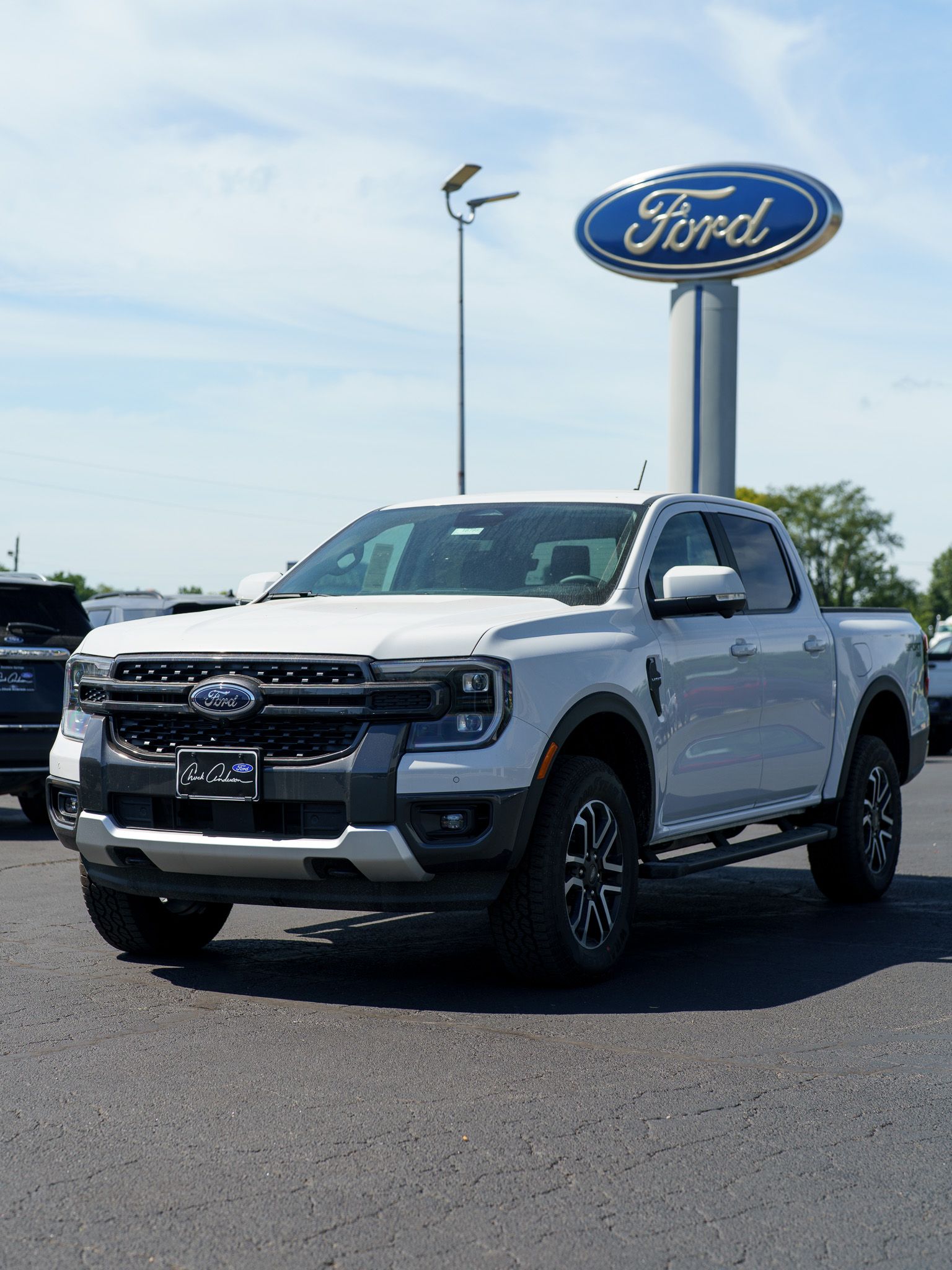
The available 2.7L EcoBoost V6 gives 2026 Ford Ranger XLT and Lariat buyers a meaningful step up in engine output. Ford rates the turbocharged V6 at 315 horsepower and 400 lb-ft of torque, an increase of 45 horsepower and 90 lb-ft over the standard 2.3L EcoBoost. It is paired with an electronic 10-speed automatic transmission and gives buyers stronger acceleration, additional low-end torque and more reserve power for towing, loaded driving, highway passing and recreational use.
315 HPHorsepower
400 LB-FTTorque
10-SpeedAutomatic
XLT / LariatAvailability
Why Choose the 2.7L?
The Biggest Difference Is Torque
The standard 2.3L EcoBoost already gives Ranger strong everyday capability.
The 2.7L EcoBoost V6 is for buyers who want more power in reserve.
Horsepower increases from 270 to 315.
Torque jumps from 310 lb-ft to 400 lb-ft.
That 90 lb-ft increase is especially relevant in a pickup, because torque helps the truck feel stronger when accelerating, climbing grades, towing or carrying a load.
2.7L EcoBoost Highlights
- Turbocharged 2.7L V6
- 315 horsepower
- 400 lb-ft of torque
- Electronic 10-speed automatic
- Auto Start-Stop Technology
- Available on Ranger XLT
- Available on Ranger Lariat
- Paired with 4x4 configurations
- Available FX4 compatibility
- Available towing packages
315 Horsepower
A Noticeable Step Up Without Moving to Ranger Raptor
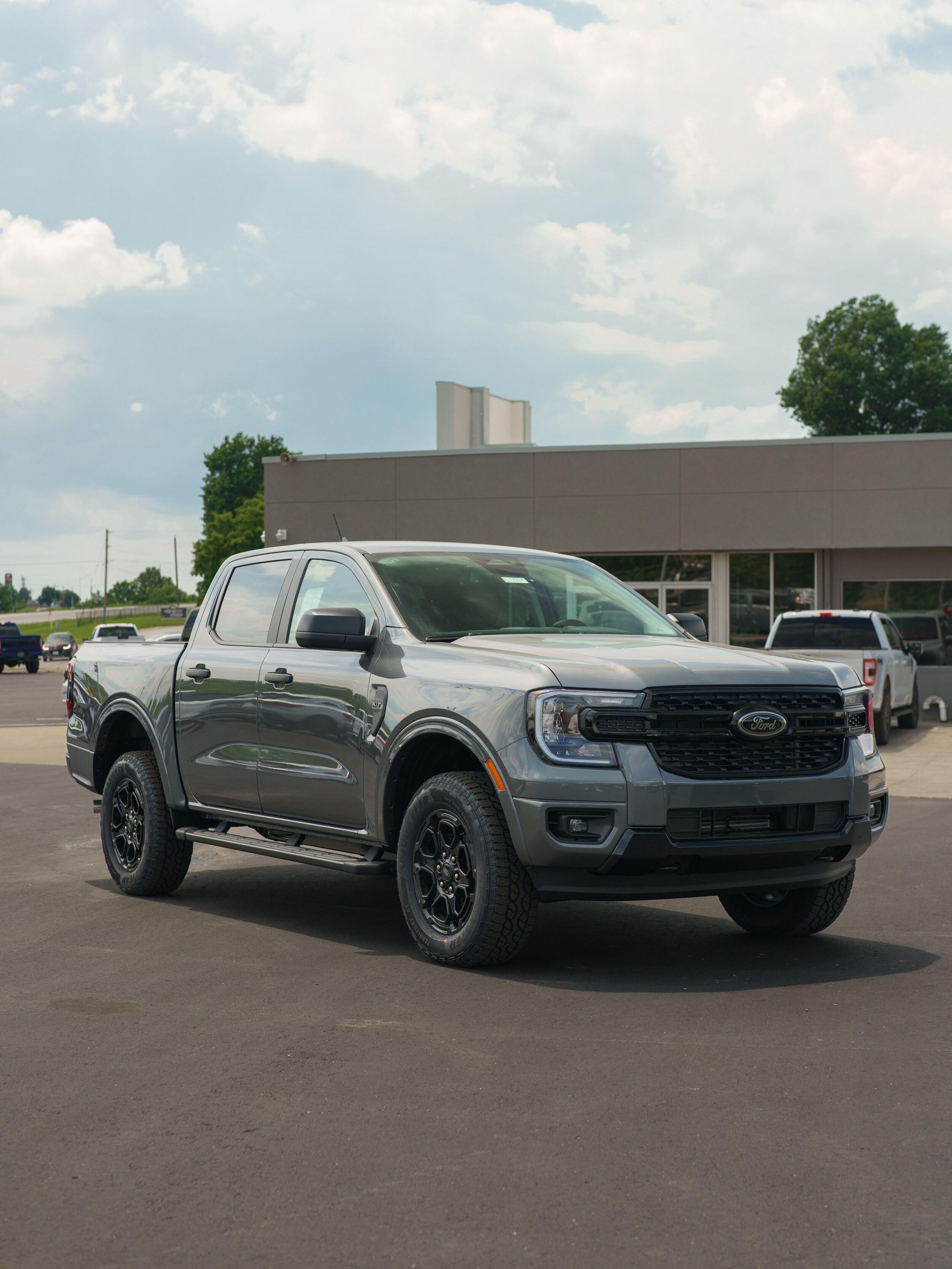
Ford rates the 2.7L EcoBoost V6 at 315 horsepower.
That gives XLT and Lariat buyers a stronger conventional Ranger powertrain without requiring the specialized Ranger Raptor.
The result is particularly useful for drivers who want more passing power, stronger acceleration and greater reserve when the truck is carrying passengers, cargo or a trailer.
400 LB-FT of Torque
This Is the Number That Makes the V6 Upgrade Interesting
The 2.7L EcoBoost V6 produces 400 lb-ft of torque.
That is 90 lb-ft more than the standard 2.3L EcoBoost.
In everyday driving, additional torque can make a truck feel less strained when accelerating from lower speeds, pulling onto a highway, climbing grades or moving with additional weight.
For buyers trying to decide whether the V6 upgrade is worth paying for, this torque increase is the strongest reason to consider it.
10-Speed Automatic
Ford Pairs the V6 With the Ranger's 10-Speed Transmission
The 2.7L EcoBoost V6 works with an electronic 10-speed automatic transmission.
Multiple gear ratios allow the transmission to keep the engine operating within a useful power range across low-speed use, highway driving, towing and acceleration.
Current 2026 Ford Ranger configurations do not offer a manual transmission.

Built Around 4x4 Configurations
The 2.7L Makes the Most Sense as a Capability Upgrade
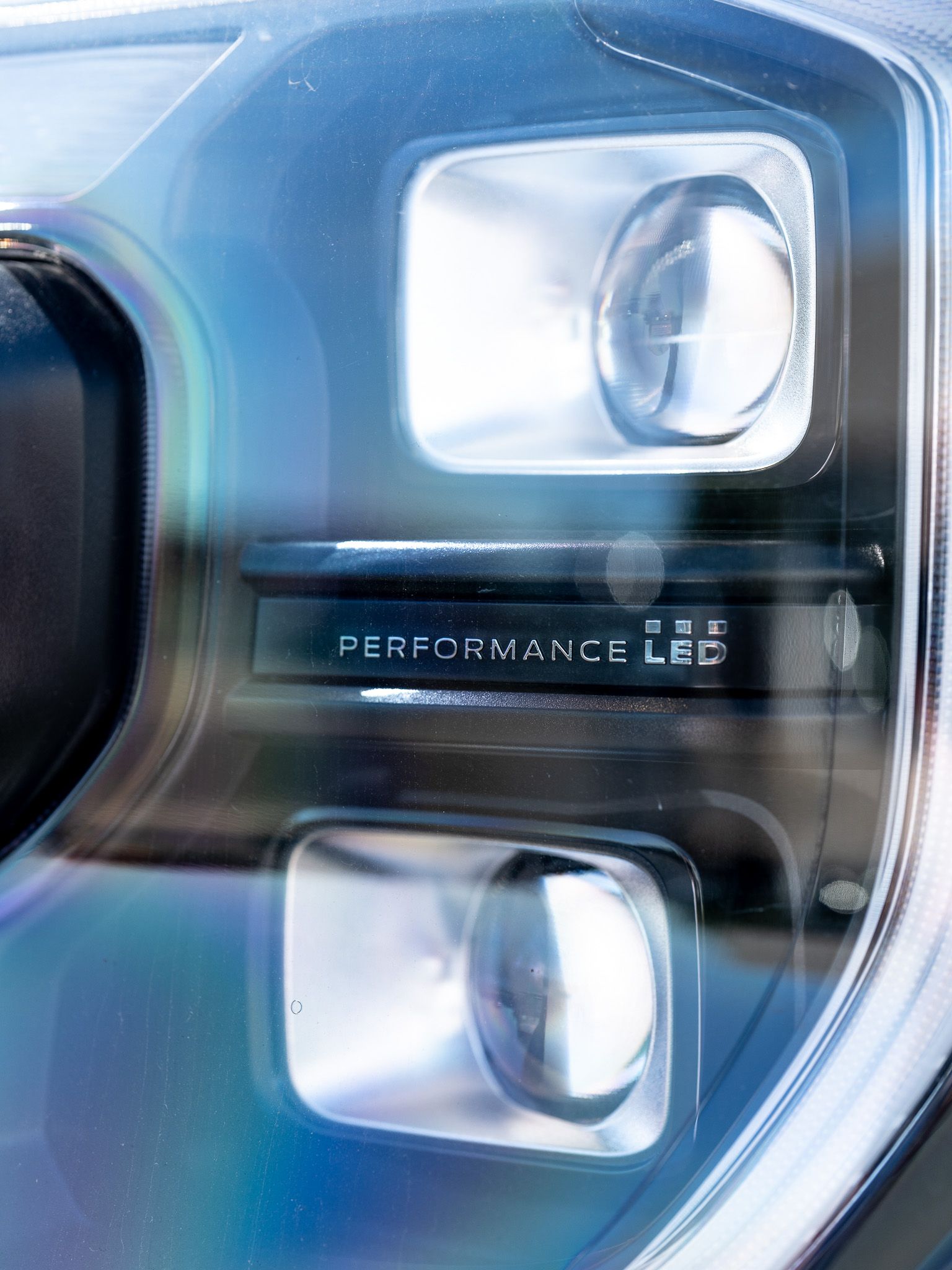
Current 2026 Ranger XLT and Lariat 2.7L EcoBoost configurations pair the V6 with four-wheel drive.
That combination makes sense because the engine is aimed at buyers seeking additional capability, not simply a higher horsepower number.
Four-wheel drive can help with snow, loose surfaces, rural roads, boat ramps, trails and recreational use.
It also opens the door to available FX4 off-road configurations.
2.7L EcoBoost Towing
More Torque Can Make Towing Feel Easier
The biggest towing advantage of the 2.7L V6 is not necessarily a larger maximum trailer-weight number.
Properly equipped conventional Ranger configurations can reach up to 7,500 pounds of towing.
The 2.7L's advantage is its 400 lb-ft of torque, giving the truck more reserve power when accelerating, climbing grades or maintaining speed with a trailer.
Actual towing capacity depends on the exact vehicle, hitch equipment, passengers, cargo and trailer configuration.
2.3L vs 2.7L EcoBoost
What Are You Actually Paying for With the V6?
| Feature | 2.3L EcoBoost | 2.7L EcoBoost V6 |
|---|---|---|
| Engine Type | Turbocharged four-cylinder | Turbocharged V6 |
| Horsepower | 270 hp | 315 hp |
| Horsepower Increase | — | +45 hp |
| Torque | 310 lb-ft | 400 lb-ft |
| Torque Increase | — | +90 lb-ft |
| Transmission | 10-speed automatic | 10-speed automatic |
| 4x2 Availability | Yes | No current 2.7L configuration |
| 4x4 Availability | Available | Paired with 4x4 |
| Trim Availability | XL / XLT / Lariat | XLT / Lariat |
| Best Reason to Choose It | Broad availability, payload, value and general capability | Stronger acceleration and substantially more torque |
Is the 2.7L EcoBoost Worth It?
It Depends on Whether You Will Use the Extra Torque
The 2.3L EcoBoost already does a lot of things well.
That means choosing the 2.7L should not simply be an automatic upgrade.
The V6 makes the strongest argument for buyers who tow regularly, drive with heavier loads, spend time on hilly highways, use their Ranger for recreation, or simply want noticeably stronger acceleration.
If your Ranger will mostly commute, handle occasional home projects and tow only from time to time, the standard 2.3L may already cover what you need.
2.7L Ranger XLT
XLT May Be the Value Sweet Spot for the V6
Ranger XLT gives buyers access to the 2.7L EcoBoost V6 without requiring Lariat's premium interior.
That makes a 2.7L XLT a particularly interesting configuration for buyers focused on engine performance, 4x4, towing and recreation.
Available FX4, towing packages and additional technology allow the truck to be built around capability without moving all the way into Raptor.

2.7L Ranger Lariat
Combine the Stronger V6 With the Premium Ranger Cabin
Ranger Lariat can also be configured with the available 2.7L EcoBoost V6.
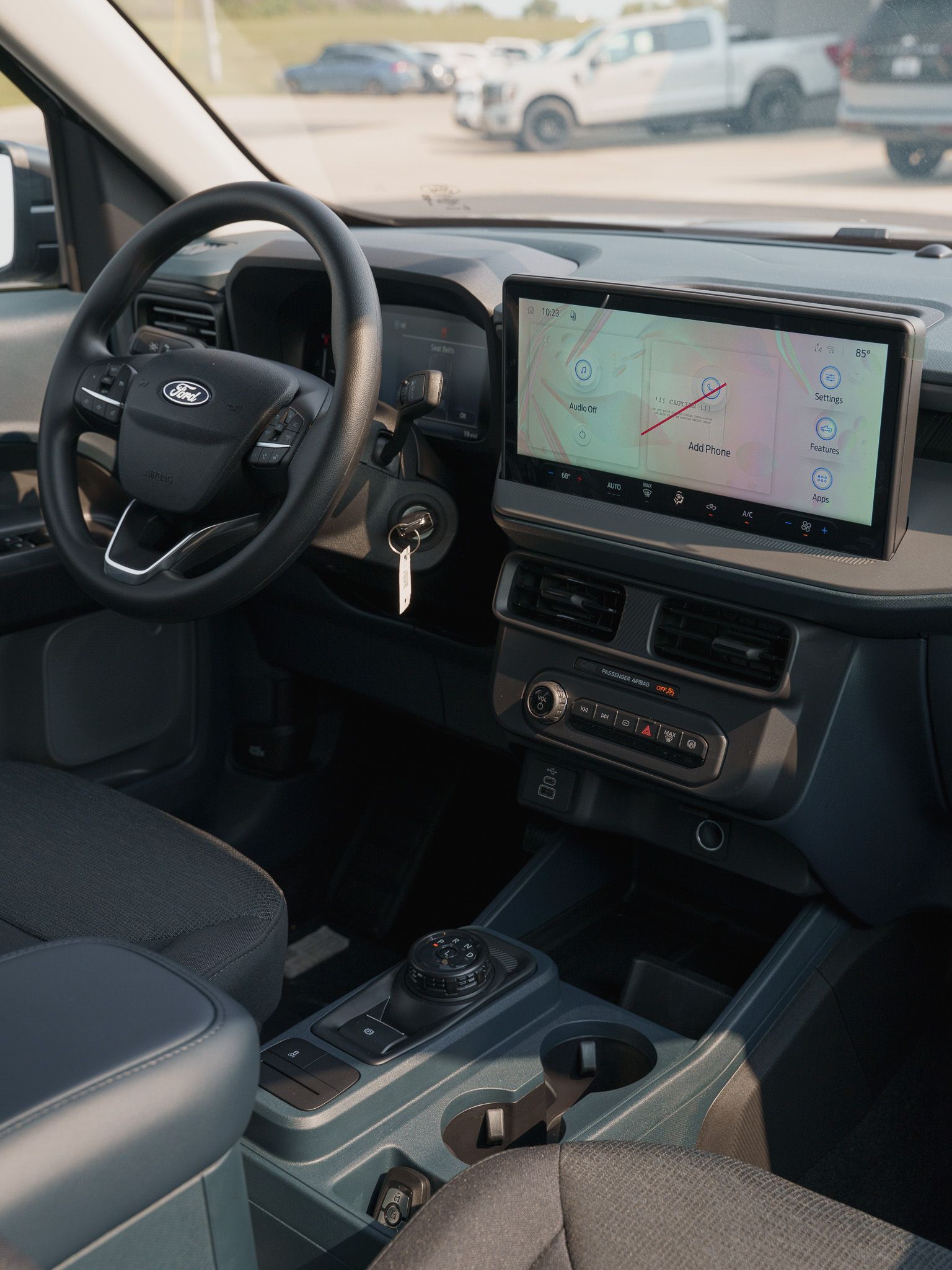
That combination is aimed at buyers who want both stronger engine output and Lariat's premium interior features.
Heated ActiveX seating, larger displays, premium audio and advanced technology can be paired with 315 horsepower, 400 lb-ft of torque and 4x4 capability.
2.7L EcoBoost + FX4
A Strong Middle Ground Between a Standard Ranger and Raptor
Compatible 4x4 XLT and Lariat configurations can be equipped with the FX4 Off-Road Package.
Pairing FX4 with the 2.7L V6 creates a Ranger with substantially more torque than the standard engine while retaining a conventional Ranger mission.
That can make a 2.7L FX4 appealing for camping, hunting, rural property, trails, boat ramps and general outdoor use.
2.7L vs Ranger Raptor 3.0L
The Next Engine Up Comes With a Completely Different Truck
| Feature | 2.7L EcoBoost V6 | Raptor 3.0L EcoBoost V6 |
|---|---|---|
| Horsepower | 315 hp | 405 hp |
| Torque | 400 lb-ft | 430 lb-ft |
| Transmission | 10-speed automatic | 10-speed automatic |
| Available Trims | XLT / Lariat | Raptor only |
| Drivetrain | 4x4 configuration | Raptor-specific 4x4 |
| Suspension Mission | Conventional Ranger with available FX4 | FOX Live Valve high-performance off-road suspension |
| Best Fit | More torque, towing, daily use and recreation | Specialized high-performance off-road driving |
Who Should Choose the 2.7L EcoBoost?
Choose It When More Torque Solves a Real Need
Frequent Towing
More torque gives the truck additional reserve power under load.
Highway Driver
315 horsepower and 400 lb-ft provide stronger passing acceleration.
Recreation Buyer
4x4, available FX4 and stronger V6 power create a versatile outdoor-use Ranger.
Power-Focused Buyer
Adds substantial torque without moving into the specialized Ranger Raptor.
Compare Ranger Engines
Explore the Complete Ranger Powertrain Lineup
Rangers Available With the 2.7L
XLT or Lariat?
From Research to Ownership
Continue Through Chuck Anderson Ford
Frequently Asked Questions
2026 Ford Ranger 2.7L EcoBoost FAQs
How much horsepower does the 2026 Ford Ranger 2.7L EcoBoost have?
The 2.7L EcoBoost V6 produces 315 horsepower and 400 lb-ft of torque.
Is the 2.7L Ranger engine a V6?
Yes. The available 2.7L EcoBoost is a turbocharged V6 engine.
Which 2026 Ranger trims offer the 2.7L EcoBoost?
The 2.7L EcoBoost V6 is available on Ranger XLT and Lariat.
Is the 2.7L EcoBoost available in Ranger XL?
No. Ranger XL uses the standard 2.3L EcoBoost engine.
Is the 2.7L Ranger 4x4?
Current 2026 XLT and Lariat configurations using the 2.7L EcoBoost V6 pair the engine with four-wheel drive.
What transmission does the 2.7L Ranger use?
The 2.7L EcoBoost V6 is paired with an electronic 10-speed automatic transmission.
How much more powerful is the 2.7L than the 2.3L Ranger engine?
The 2.7L produces 315 horsepower and 400 lb-ft compared with 270 horsepower and 310 lb-ft from the 2.3L. That is an increase of 45 horsepower and 90 lb-ft of torque.
Is the 2.7L EcoBoost worth it over the 2.3L?
The 2.7L can be worth the upgrade for buyers who tow frequently, carry heavier loads, want stronger highway passing performance, or simply prefer considerably more torque. The 2.3L remains a strong choice for general truck use and value.
Is FX4 available with the 2.7L Ranger?
Compatible 4x4 XLT and Lariat configurations can be equipped with the available FX4 Off-Road Package.
Is the 2.7L Ranger better for towing than the 2.3L?
The 2.7L provides substantially more torque, which can improve reserve power while towing. Properly equipped conventional Ranger configurations can reach up to 7,500 pounds of towing, so buyers should consider both maximum rating and how frequently they tow.
Is the 2.7L EcoBoost the same engine as Ranger Raptor?
No. Ranger Raptor uses a different 3.0L EcoBoost V6 producing 405 horsepower and 430 lb-ft of torque.
Should I get the 2.7L Ranger or Ranger Raptor?
Choose the 2.7L XLT or Lariat when you want stronger conventional Ranger performance, towing capability and everyday usability. Choose Ranger Raptor when specialized high-performance off-road capability is the main goal.
Where can I buy a 2026 Ranger with the 2.7L EcoBoost near Kansas City?
Chuck Anderson Ford in Excelsior Springs serves Ranger shoppers throughout the Kansas City Northland and surrounding Missouri communities.
2026 Ford Ranger 2.7L EcoBoost V6
The Ranger Upgrade You Feel in the Torque.
The 2.7L EcoBoost V6 gives Ranger XLT and Lariat buyers 315 horsepower and 400 lb-ft of torque. Compared with the standard 2.3L EcoBoost, that means 45 more horsepower and 90 additional lb-ft of torque. The upgrade makes the strongest argument for drivers who tow regularly, carry heavier loads, want stronger highway passing performance, or simply want more power without stepping into the specialized Ranger Raptor.
2026 Ford Ranger specifications, horsepower, torque, engine availability, drivetrain availability, towing capacity, payload capacity, equipment, packages, pricing and vehicle availability are subject to change. Maximum towing and payload depend on exact vehicle configuration, passengers, cargo, accessories, axle, hitch equipment and trailer weight. Always verify current specifications, installed equipment and ratings for the exact Ranger before purchase, hauling or towing.