
Squealing or Scraping
Brake squealing may come from wear indicators, moisture, surface rust, friction materials, debris, glazing or hardware.
Highway 10 commuting. Highway 13 traffic. Gravel roads. Farm property. Family transportation. Work trucks. Campers and equipment trailers.
Richmond drivers put their brakes through very different kinds of miles.
If you've noticed squealing, grinding, vibration, pulling, a softer pedal, a brake warning light—or simply want to know how much brake life remains—Chuck Anderson Ford can inspect the system and explain what actually needs attention.
And for qualifying Ford appointments, complimentary Pickup & Delivery currently comes with $40 off the eligible service bill.

Brake symptoms can tell you that something changed. They don't always tell you which component is responsible.
Squealing can have several different causes.
Vibration may involve the brake rotors, but it can also be related to other vehicle components.
Pulling to one side can involve a brake concern, tire condition, suspension or another issue.
Even grinding doesn't identify the exact failed component without a proper inspection.
That's why Chuck Anderson Ford believes brake service should start with evaluating the system—not automatically selling replacement pads and rotors.
Our service team can inspect applicable friction materials, rotors, calipers, brake hoses, lines, fluid, parking-brake components and electronic brake systems.
Then we can explain what appears worn, what may be causing the symptom and what deserves attention.
If a component still has usable life remaining, that's useful information too.
We want Richmond drivers to understand what their brakes need before spending money on repairs.

If your Ford sounds, feels or stops differently than it used to, don't assume the condition is normal simply because the vehicle still moves.
Brake squealing may come from wear indicators, moisture, surface rust, friction materials, debris, glazing or hardware.
Grinding can indicate significant brake wear or another mechanical concern. New or severe grinding deserves prompt professional attention.
Pulsation during ordinary braking may be related to rotor condition, thickness variation, corrosion or other vehicle concerns.
A vehicle pulling to one side may have a brake, tire, steering, suspension or alignment-related issue.
A pedal that feels unusually soft, spongy, hard, low or slow to return can indicate a condition requiring diagnosis.
Brake, ABS, stability-control and electronic parking-brake warnings may indicate hydraulic, mechanical or electronic concerns.
If the vehicle suddenly requires more distance or pedal effort to stop, have its braking system evaluated.
Brake drag, unusual wheel heat, a burning odor or smoke can indicate a serious problem and should not be ignored.
Different symptoms can have different causes. A professional inspection provides a better foundation for repair than trying to determine the problem from one sound or feeling alone.
A routine brake concern and an unsafe braking system are not the same thing.
If the brakes are making an occasional noise but the vehicle still stops normally, schedule an inspection promptly.
However, if braking ability is substantially reduced, the vehicle may not be safe to drive at all.
Keep the vehicle parked and arrange appropriate roadside assistance or towing if you experience any of the following:
Ford Pickup & Delivery is intended for eligible operable vehicles. It is not a substitute for towing an unsafe vehicle.
If you're uncertain whether your vehicle should be driven, call our Service Department to discuss the symptoms and how to arrange appropriate assistance.
Modern brake systems combine mechanical, hydraulic and electronic components. A proper inspection considers the parts and systems relevant to the specific vehicle.
Inner and outer brake pads can wear at different rates, and some components cannot be evaluated accurately through the wheel openings.
Applicable friction materials can be measured and evaluated for thickness, condition and wear patterns.
Components can be checked for wear, thickness, scoring, corrosion and other applicable conditions.
Caliper condition and movement can be inspected because binding can affect braking and uneven wear.
Applicable visible hydraulic components can be evaluated for damage, deterioration or fluid leakage.
Fluid level, condition and the manufacturer's service requirements can be reviewed.
Applicable mechanical and electronic parking-brake components can be checked for operation and concerns.
Electronic brake-system warnings may require diagnostic testing beyond a mechanical inspection.
Pedal feel and overall system behavior help technicians evaluate how the vehicle responds during braking.
Why the inspection matters: Replacing brake pads without investigating abnormal wear, sticking components, rotor condition or hydraulic concerns can leave the underlying problem unresolved.
Routine brake inspection or repair shouldn't automatically require giving up part of your workday.
Driving from Richmond to Excelsior Springs, arranging another ride, waiting at the dealership and returning later can make even a necessary service appointment inconvenient.
Chuck Anderson Ford offers complimentary Ford Pickup & Delivery for eligible service appointments.
For a qualifying arrangement, our team can collect your operable Ford from the approved pickup location, bring it to Chuck Anderson Ford, complete the authorized brake service and return it afterward.
Pickup & Delivery transportation itself is complimentary for qualifying appointments.
And Chuck Anderson Ford currently advertises a $40 discount on eligible service bills when qualifying Pickup & Delivery is used.
Request an appointment and ask our team whether Pickup & Delivery is available for your Richmond-area address.
For an approved appointment, our team collects your operable vehicle from the agreed pickup location.
After the authorized service is complete, your Ford is returned according to the confirmed arrangement.
For Richmond drivers who qualify, Pickup & Delivery can eliminate the need to drive to Excelsior Springs for routine brake service.
The service charges themselves remain separate, but the qualifying discount may reduce the bill.
Pickup location, distance, scheduling, vehicle operability and other program requirements determine eligibility. Confirm Richmond coverage and the offer when scheduling.
Brake-pad thickness is important, but wear patterns can reveal another part of the story.
A brake pad can wear differently from its counterpart on the same wheel.
One wheel may show more wear than another.
Rotors can develop scoring, corrosion or thickness variation.
Caliper hardware can become restricted, and a sticking component may contribute to uneven brake wear.
Simply replacing worn pads without investigating an unusual pattern may fail to address the underlying concern.
That's why brake-pad and rotor service should involve more than looking at the easiest component to see.
The best recommendation accounts for the complete condition of the brake components and what the vehicle manufacturer requires.
Friction material can be measured and compared with applicable manufacturer specifications and service limits.
A rotor's measured thickness and condition help determine whether it remains suitable for continued service.
Differences between inner and outer pads or between wheels can point toward hardware, caliper or other system concerns.
Slides, clips and related components can affect how brake parts move, wear and make noise.
Not necessarily.
Rotor replacement or other service depends on the specific vehicle, rotor thickness, surface condition, manufacturer's specifications and the condition of the complete brake system.
Some rotors may be appropriate for continued use.
Others may have excessive wear, corrosion, scoring or other conditions requiring replacement.
Our goal is to recommend the work supported by the inspection rather than automatically assuming every brake service requires replacing every component.
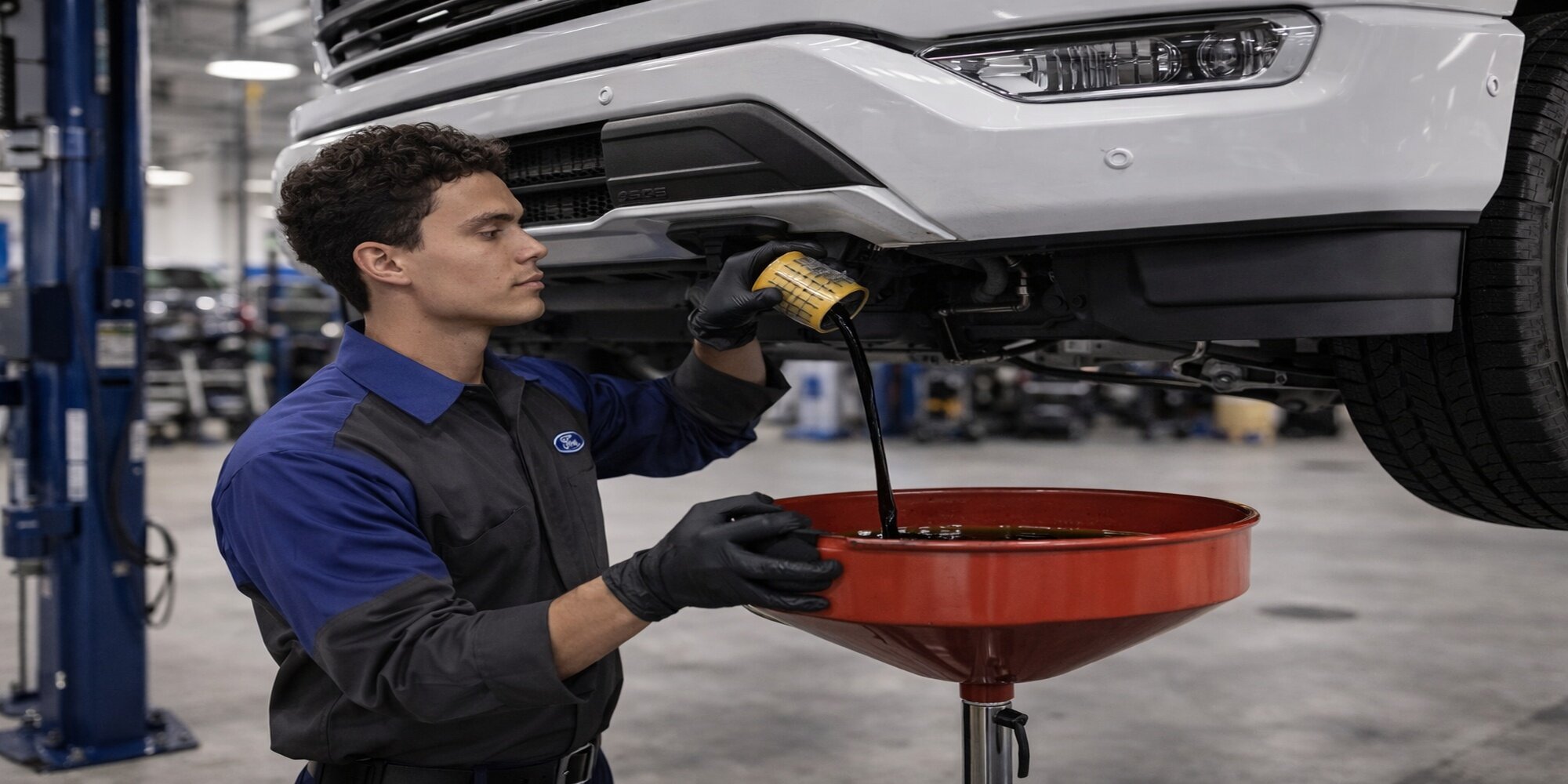
Hearing a sound is a reason to pay attention, but it is not a complete diagnosis.
Squealing can sometimes be associated with a brake-pad wear indicator.
However, moisture, surface rust, friction-material characteristics, debris, glazing and brake hardware can also cause noise.
Grinding may indicate severe friction-material wear or another mechanical issue.
Clicking, clunking and repeated rubbing can also justify inspection.
And sometimes a sound that appears to come from the brakes may involve a different nearby vehicle component.
Rather than trying to match a sound with an expensive repair, let a technician identify the actual source.
New, persistent or worsening brake noise deserves attention. Severe grinding or other signs of unsafe braking should not be driven.
Brake fluid is part of the hydraulic system that transfers braking force through the vehicle.
Brake-fluid type, condition and service procedures are specific to the vehicle.
A low reservoir level may sometimes accompany brake-pad wear.
But leakage or another hydraulic-system condition may also be responsible.
Simply adding fluid without understanding why the level changed can hide an important problem.
Brake fluid can also absorb moisture over time, making proper handling and manufacturer-approved service important.
A level below the expected range may require investigation of pad wear, leakage or another system concern.
Visible fluid around lines, hoses, calipers or other brake components may indicate a serious hydraulic problem.
A soft, spongy or sinking brake pedal can indicate a condition that requires immediate attention.
Only the appropriate manufacturer-specified brake fluid and service procedures should be used.
Brake-fluid tip: Don't assume a low brake-fluid level should be corrected by simply topping off the reservoir. Have the underlying reason evaluated first.
Modern vehicles use electronic braking and stability systems that may require diagnostic equipment and vehicle-specific procedures.
Antilock braking systems, stability control, electronic parking brakes and integrated vehicle controls all interact with the braking system.
A warning light can indicate a problem that will not be discovered by simply measuring brake-pad thickness.
ABS helps manage wheel lockup under certain braking conditions. Warning lights can indicate a concern requiring diagnosis.
Electronic stability systems may use brake intervention to help manage vehicle behavior under specific conditions.
Some vehicles require specific service procedures or modes when inspecting or replacing rear brake components.
Electronic faults may require scan-tool testing, service information and appropriate diagnostic procedures.
If the dashboard displays a brake, ABS or stability-control warning, explain exactly which light appeared and whether it was accompanied by changes in braking.
Two identical vehicles can have very different brake wear depending on how they are driven.
A Richmond commuter may travel Highway 10 toward Excelsior Springs and then spend the rest of the day on paved roads.
Another driver may regularly make short trips through town with frequent stops.
A truck owner may pull an equipment trailer, carry substantial loads or work around agricultural property.
Those vehicles can have different brake-use patterns despite similar mileage.
Regular regional driving may involve sustained highway travel along with repeated speed changes at intersections and during traffic.
Changing speed limits, intersections and everyday regional driving create another pattern of brake use around Richmond.
Dust, debris, mud and uneven surfaces can make inspection of brake and wheel components especially worthwhile.
Repeated low-speed stops, payload, rural property use and equipment trailers can place different demands on a truck.
A vehicle with mostly highway mileage may use its brakes less frequently per mile than a vehicle in stop-and-go conditions.
But frequent traffic changes and significant annual mileage still contribute to brake wear.
Likewise, a truck that spends relatively few miles carrying heavy loads or pulling trailers may experience more demanding brake operation than its odometer suggests.
That is why brake condition should be inspected rather than estimated from mileage alone.
Ray County drivers can encounter very different road conditions just a short distance from downtown Richmond.
Gravel roads, mud, dust, agricultural property and uneven access roads create operating conditions that differ from ordinary paved-road commuting.
Those conditions do not automatically cause brake failure.
However, dirt and debris around brake components, corrosion and demanding vehicle use can make regular inspection worthwhile.
For trucks working around acreage, loading and unloading equipment may also involve repeated low-speed stops.
And if the same truck pulls a trailer, braking demand changes again.
If you notice scraping, vibration, pulling or another change after heavy rural-road use, don't automatically dismiss it as ordinary gravel noise.
Have the vehicle inspected.
The condition of the entire brake system matters more than whether the vehicle looks like a work truck or a family SUV.
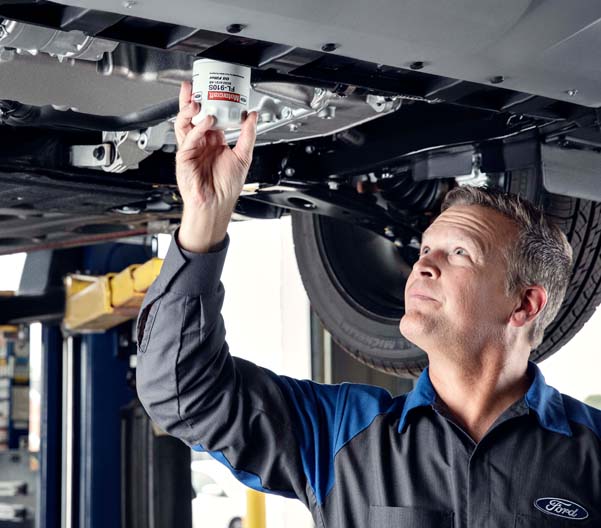
Towing can substantially change the demands placed on the tow vehicle's braking system.
Richmond and Ray County drivers may tow utility trailers, equipment trailers, campers, livestock trailers, boats or recreational equipment.
The total loaded weight, towing configuration, terrain, traffic and trailer braking equipment all influence how the combination operates.
That makes brake condition an important part of preparation for a towing trip.
Commuting, property work, payload and weekend towing can create different brake-use patterns across otherwise similar F-150 trucks.
F-250, F-350 and other heavy-duty trucks may operate under substantial payload and towing demands that warrant careful brake inspection.
Loaded equipment trailers increase the importance of properly functioning tow-vehicle brakes and any required trailer-braking equipment.
Jobsites, repeated stops, heavy loads and extended operating hours can create different maintenance requirements from light personal use.
If significant towing is planned, confirm that the tow vehicle's brakes are operating correctly.
Unusual grinding, pulling, vibration or abnormal pedal feel deserves inspection before adding the trailer.
If the trailer has its own braking system, its operation and setup should also be checked according to the applicable manufacturer requirements.
Trailer brakes do not eliminate the need for properly functioning brakes on the tow vehicle.
Richmond towing reminder: More weight requires more attention to braking performance. Follow the vehicle and trailer manufacturers' requirements for weights, brake equipment, towing configuration and safe operation.
There is no one replacement mileage that accurately applies to every vehicle.
Brake-pad life depends on several factors, including:
Stop-and-go traffic, frequent braking and terrain can change how quickly friction materials wear.
Passenger load, cargo, towing and the vehicle's design all influence braking demands.
Acceleration, braking style, speed changes and traffic conditions contribute to brake-use patterns.
Caliper movement, hardware, rotor condition, corrosion and other issues can affect how components wear.
One vehicle may still have substantial brake-pad material remaining at a mileage where another vehicle already requires service.
Replacing brakes solely because of the odometer may lead to unnecessary work.
Waiting for the pads to grind before checking them can create additional damage.
The better approach is following the manufacturer's inspection guidance and monitoring actual component condition.
Chuck Anderson Ford provides applicable brake inspections, maintenance and repairs for many current and older Ford cars, trucks and SUVs.
Brake inspection and applicable repairs for trucks used in commuting, property maintenance, towing and everyday work.
Brake-system inspection for applicable F-250, F-350 and other Super Duty models used for hauling and heavy-duty towing.
Brake inspection and applicable repair for midsize and compact pickups used for daily driving, property and recreation.
Brake service for family SUVs that regularly carry passengers, cargo and travel Missouri highways.
Applicable brake inspections and repairs for large SUVs used for family transportation, road trips and towing.
Brake inspection and service for vehicles used on pavement, gravel roads, trails and off-road destinations.
Brake service for compact SUVs used for commuting, family transportation and recreational driving.
Brake inspections and appropriate service for performance vehicles whose driving demands can differ from ordinary commuter cars.
Applicable brake inspection and repair for gasoline and hybrid Escape configurations.
Chuck Anderson Ford can inspect and service brake systems on many older Ford cars, trucks and SUVs.
Vehicle-specific braking systems may combine regenerative and conventional friction braking, affecting service procedures.
Contact our team about brake inspection and service for vehicles from manufacturers other than Ford.
Some Ford hybrid and electric vehicles recover energy during deceleration using regenerative braking.
That can change how often conventional friction brakes are used under certain conditions.
However, the vehicle still relies on its braking systems to stop safely.
Brake pads, rotors, calipers, hydraulic components and electronic controls still require appropriate inspection and maintenance.
Less frequent friction-brake use can also affect wear and corrosion patterns in ways that differ from conventional vehicles.
Some electrified vehicles have additional service modes, electronically controlled systems or high-voltage safety requirements.
That's why hybrid and EV brake service should follow the exact vehicle's manufacturer procedures rather than assuming every brake system is serviced the same way.
Hybrid and EV brake reminder: Regenerative braking does not make conventional brake inspection unnecessary. Vehicle-specific diagnostic and repair procedures remain important.
A concern that appears during braking may involve more than brake pads and rotors.
Uneven wear, inflation differences and other tire concerns can affect how a vehicle tracks or handles.
Certain wheel-bearing, hub or wheel-related concerns can contribute to vibration, noise or abnormal operation.
Worn components can affect stability, handling and vehicle behavior during deceleration.
ABS, stability-control and electronically controlled brake concerns may require diagnostic testing beyond visual inspection.
The goal is to determine what is actually causing the symptom before recommending a repair.
That is why a professional diagnosis can be more valuable than simply replacing the most obvious component.
A family or business doesn't necessarily have only one brand of vehicle.
One Richmond household may have a Ford F-150, a Toyota SUV and a Honda commuter.
Another may have a Ford Explorer, Chevrolet Silverado or Jeep.
Chuck Anderson Ford services many makes and models, not just Ford vehicles.
Contact our Service Department about applicable brake inspection, diagnosis and repair availability for your particular vehicle.
We can discuss the symptoms, year, make, model and service requirements before the appointment.
Our goal is to give Richmond-area drivers a convenient automotive service option for more than one vehicle in the household.

The right replacement parts should be appropriate for the vehicle's brake-system design and manufacturer specifications.
Brake pads are not all identical.
Different vehicles can use different friction materials, rotor dimensions, caliper designs and brake hardware.
An F-150, Super Duty, Mustang and Explorer may have very different braking requirements even when their owners use them on the same roads.
Genuine Ford and Motorcraft service parts provide Ford-supported options for applicable vehicles.
Our Parts Department can help identify replacement components using the vehicle's VIN.
And our Service Department can perform applicable brake repairs using the correct vehicle-specific procedures.
Vehicle-specific friction components selected for the applicable brake system.
Replacement rotors matched to the vehicle's applicable specifications and equipment.
Applicable replacement components for proper brake assembly movement and operation.
Parts and fluids selected according to the specific brake-system requirements.
Brake repair pricing depends on the work the vehicle actually needs.
A vehicle that needs only brake pads may require a different repair from one with worn rotors, caliper damage or a hydraulic-system problem.
The type of vehicle also matters.
Heavy-duty pickup brakes can differ substantially from those on a compact commuter car.
Some vehicles require additional service procedures because of electronic parking brakes or other equipment.
Year, model, brake configuration and equipment influence parts and labor requirements.
Pad thickness, rotor condition, hardware operation and other findings determine which repairs are appropriate.
Warning lights, hydraulic concerns or unusual symptoms may require testing beyond a routine visual inspection.
Qualifying promotions, including the currently advertised $40 Pickup & Delivery discount, may reduce eligible service costs.
We want customers to understand what the inspection found and what repairs are being recommended.
If a component needs immediate attention, we want to explain why.
If another item can reasonably be monitored or planned for later, that is useful information too.
Brake inspection and repair are not situations where guessing or automatically replacing everything benefits the customer.
We want you to understand the work before authorizing it.
Brakes, tires, suspension and other vehicle systems all contribute to how a vehicle drives, stops and handles.
Chuck Anderson Ford and Quick Lane Tire & Auto Center provide a convenient option for many common automotive maintenance needs.
That includes brake inspections, applicable brake repairs, tire service, oil changes, batteries, filters and other routine maintenance.
If a brake inspection reveals a more involved concern, our full Service Department can help evaluate the necessary next steps.
And if the concern involves tires, steering or suspension rather than only the brakes, the dealership can help investigate those systems as well.
We want Richmond-area drivers to have one automotive service resource they can continue using throughout vehicle ownership.
Service availability depends on the vehicle and the specific work required.
The best place to start is explaining what has changed—or asking for an inspection if you simply want to know the condition of your brakes.
Describe squealing, grinding, vibration, pulling, warning lights, pedal changes or the reason you're requesting an inspection.
Our team evaluates the applicable pads, rotors, calipers, hydraulic components and related systems.
We discuss what we found, what deserves attention and the appropriate next steps.
Authorized brake work is completed based on the inspection and the service you approve.
Richmond combines the history of a Missouri county seat with the transportation needs of families, commuters, farmers and businesses throughout Ray County.
Founded in 1827, Richmond is home to the historic Ray County Courthouse, the Farris Theatre, Richmond Spartans traditions and the annual Mushroom Festival.
But daily life extends well beyond the courthouse square.
Missouri Highway 10 connects Richmond toward Excelsior Springs, while Highway 13 provides important north-south access.
Outside town, gravel roads, agricultural property, heavy equipment and trailers can create demanding operating conditions for trucks and SUVs.
That is why brake wear should be evaluated according to the actual vehicle and how it is used.

Local traffic, intersections and everyday commuting create regular stopping demands that make brake condition important.

Richmond's annual Mushroom Festival brings residents and visitors together while supporting Friends of the Farris and the historic Farris Theatre.

School, sports, family travel and busy schedules make dependable braking and preventive maintenance important.

Weekend recreation, trailers, campers and family outings all create reasons to keep a vehicle's braking system properly maintained.
Regional highway travel and local intersections create a mix of driving conditions where reliable braking matters.
Gravel roads, heavy loads, equipment trailers and repeated low-speed stops can create additional braking demands.
A brake inspection should not begin with the assumption that everything needs replacement.
It should begin with inspection.
Measure the wear.
Evaluate the symptoms.
Look at the complete system.
Consider whether the vehicle is used for Highway 10 commuting, family transportation, rural property, hauling or towing.
Then explain what deserves attention now, what may need attention later and what still looks good.
Chuck Anderson and his family purchased the Ford dealership in Excelsior Springs in 1974.
More than five decades later, Chuck Anderson Ford remains family-owned and continues serving drivers from Richmond, Ray County and surrounding Missouri communities.
Our goal is to make vehicle ownership easier through clear recommendations, professional service, genuine Ford parts and convenient scheduling.
For qualifying Ford brake-service appointments, complimentary Pickup & Delivery can also eliminate the drive to Excelsior Springs while currently saving $40 on the eligible service bill.
We want Richmond drivers to understand the condition of their brakes before they spend money repairing them.
Richmond drivers don't have to travel into central Kansas City for professional brake inspection, diagnosis and applicable repairs.
Chuck Anderson Ford is located at 1910 W. Jesse James Road in nearby Excelsior Springs, Missouri.
Start near the Ray County Courthouse at 100 W. Main Street in downtown Richmond.
Connect to Missouri Highway 10 West and continue toward Excelsior Springs.
Follow current navigation toward W. Jesse James Road and Chuck Anderson Ford.
Traffic and road construction may affect the preferred route.
If your Ford is operable and your Richmond-area location qualifies, you may not need to make the service trip yourself.
Ask our team whether complimentary Pickup & Delivery is available and whether the current $40 qualifying service discount applies.
If your vehicle cannot stop safely, do not drive it to our dealership. Arrange appropriate roadside assistance or towing instead.
1910 W. Jesse James Road
Excelsior Springs, MO 64024
Service: 816-648-6424
Parts: 816-648-6429
Brake inspections, brake pads, rotors, hydraulic-system diagnosis, brake warning lights, tires, maintenance and automotive repair.
Proudly serving Richmond, Ray County, Lawson, Kearney, Liberty, Smithville, Excelsior Springs and surrounding Missouri communities.
Family-owned since 1974.
Chuck Anderson Ford provides brake inspections, diagnosis and applicable brake repairs for Richmond-area drivers at 1910 W. Jesse James Road in nearby Excelsior Springs, Missouri.
Yes. Use the online service scheduler to request a brake inspection, brake repair or other maintenance appointment.
Yes. Applicable brake-pad thickness, condition and wear patterns can be inspected and measured during professional brake service.
Yes. Applicable rotors can be checked for thickness, wear, scoring, corrosion and other conditions that may affect braking.
Yes. Caliper condition and movement can be evaluated because restricted or uneven operation can contribute to braking concerns and abnormal component wear.
Applicable visible brake hoses, lines and hydraulic components can be inspected for damage, deterioration or fluid leakage.
Brake squealing can have several possible causes, including wear indicators, moisture, surface rust, debris, friction materials, glazing and hardware. Persistent or new noise should be inspected rather than used alone to determine which part needs replacement.
Grinding may indicate significant friction-material wear or another mechanical problem. Have the vehicle inspected promptly. If grinding is severe or braking ability is uncertain, do not drive the vehicle; arrange appropriate assistance.
Vibration during ordinary braking may involve brake-rotor condition, thickness variation, corrosion, tires, wheels, suspension or another vehicle concern. Diagnosis is necessary to identify the actual cause.
Pulling may involve uneven brake operation, tire concerns, alignment, suspension or other conditions. A professional inspection can help determine what is responsible.
A meaningful change in pedal firmness, travel or response can indicate a hydraulic, mechanical or electronically controlled braking concern. Have the system evaluated promptly. Do not drive if braking is substantially reduced or the pedal goes to the floor.
No. If the brake pedal goes to the floor or braking ability is substantially reduced, keep the vehicle parked and arrange appropriate roadside assistance or towing rather than trying to drive it to the dealership.
Fresh brake-fluid leakage may indicate a serious hydraulic-system concern. Do not drive if braking safety is in question. Arrange appropriate professional assistance or towing.
The cause of a low fluid level should be identified before simply adding fluid. Normal pad wear, leakage or another problem may be involved. Only the manufacturer-specified fluid should be used.
Yes. Brake, ABS and stability-control warning lights can require electronic diagnosis along with inspection of related mechanical and hydraulic systems.
Follow the vehicle manufacturer's maintenance and inspection guidance. Have the braking system inspected promptly whenever a meaningful symptom, unusual noise or warning light appears.
Brake-pad life varies significantly by vehicle, driving conditions, traffic, towing, passenger loads, terrain, driving habits and component condition. Inspection is more reliable than assuming one universal replacement mileage.
Not necessarily. Rotor service requirements depend on thickness, condition, wear, corrosion, vehicle specifications and the complete braking system. A technician should determine whether the existing rotors are suitable for continued service.
Uneven inner and outer pad wear can relate to caliper operation, slide hardware, component condition or other factors. A professional inspection can determine whether additional repair is necessary.
Yes. Highway travel, intersection stops, traffic changes and total annual mileage all contribute to brake use. Two vehicles with the same mileage may have different brake wear depending on their operating conditions.
Dust, gravel, mud and rough-road driving can increase the importance of checking visible brake and wheel components. New grinding, scraping or changes in braking after demanding rural-road use deserve inspection.
Towing can increase braking demand because the combination may have substantially more total weight to control. Actual wear depends on the vehicle, trailer braking equipment, load, terrain, traffic and driving conditions.
If brake condition is uncertain or substantial towing is planned, a professional brake inspection can be a useful part of trip preparation. Confirm that both the tow vehicle and applicable trailer brakes operate correctly.
Yes. Chuck Anderson Ford provides brake inspection, diagnosis and applicable brake repairs for Ford F-150 trucks used for commuting, property work, towing and daily transportation.
Yes. Our Service Department can inspect and service applicable brake systems on F-250, F-350 and other supported Super Duty configurations.
Yes. Our team provides applicable brake inspections and service for Ford Ranger and Maverick vehicles.
Yes. Chuck Anderson Ford provides applicable brake inspection and repair for Ford Explorer and Expedition SUVs used for commuting, family transportation and towing.
Yes. Applicable brake inspection and service are available for Ford Bronco and Bronco Sport vehicles.
Hybrid and electric vehicles may combine regenerative braking with traditional friction braking. Their wear patterns, electronics and service procedures can differ from conventional vehicles, making vehicle-specific maintenance important.
Chuck Anderson Ford services many makes and models. Contact our Service Department regarding brake inspection and repair availability for your particular vehicle.
Genuine Ford and Motorcraft brake components are available for applicable Ford vehicles. Our Parts Department can help identify appropriate components using the vehicle's VIN.
Current qualifying service offers are available through our Service & Parts Specials page. Chuck Anderson Ford also currently advertises $40 off eligible service bills when qualifying complimentary Ford Pickup & Delivery is used.
Chuck Anderson Ford offers complimentary Ford Pickup & Delivery for eligible appointments. Availability at a particular Richmond-area address depends on distance, scheduling, vehicle eligibility and other program requirements. Confirm the location when scheduling.
Yes. Pickup & Delivery transportation is complimentary for qualifying Ford service appointments, subject to availability and program terms. Parts and repair charges remain separate.
Chuck Anderson Ford currently advertises a $40 discount on eligible service bills when qualifying complimentary Ford Pickup & Delivery is used. Confirm current terms and Richmond-area eligibility when scheduling.
No. Ford Pickup & Delivery is intended for eligible operable vehicles. If the vehicle cannot stop safely or has a serious braking concern, do not drive it. Arrange appropriate towing or roadside assistance instead.
Chuck Anderson Ford and Quick Lane Tire & Auto Center provide a range of routine maintenance services, including applicable brake inspections and repairs. Availability depends on the vehicle and required work.
Call Chuck Anderson Ford Service at 816-648-6424 for brake-service questions, appointments and Pickup & Delivery information.
From downtown Richmond near the Ray County Courthouse, connect to Missouri Highway 10 West toward Excelsior Springs. Chuck Anderson Ford is located at 1910 W. Jesse James Road. Open Google Maps directions for the current route.
Chuck Anderson and his family purchased the dealership in 1974. Chuck Anderson Ford remains family-owned and has served Richmond, Excelsior Springs and surrounding Missouri communities for more than five decades.
Brake Service, Safety & Pickup & Delivery Disclaimer: Brake symptoms should be professionally evaluated. A symptom by itself does not diagnose a particular failed component. If braking ability is substantially reduced, the pedal goes to the floor, fresh brake fluid is leaking, severe grinding or smoke is present, or you are uncertain whether the vehicle can stop safely, do not drive it; arrange appropriate roadside assistance or towing. Brake wear and inspection requirements vary by vehicle, driving conditions, traffic, terrain, towing, payload, maintenance history and driving habits. Follow the Owner's Manual and applicable manufacturer service information for your exact vehicle. The currently advertised $40 service discount is subject to Chuck Anderson Ford's current offer terms and applies only when qualifying Ford Pickup & Delivery is utilized. Ford Pickup & Delivery is available for eligible operable vehicles and qualifying appointments and may be limited by distance, location, scheduling capacity and other dealer-specified criteria. Complimentary transportation does not make parts or repair work free. Confirm Richmond-area pickup eligibility and the current discount before scheduling.
Whether you're scheduling brake service, maintaining your current vehicle or researching your next Ford, these Richmond resources can help you take the next step.
Explore automotive maintenance, diagnostics, tires, brakes, batteries, oil changes, Ford parts and service in nearby Excelsior Springs.
Richmond Ford Service ›Compare F-150, Super Duty, Ranger and Maverick for towing, work, agricultural property, rural roads and everyday transportation.
Richmond Ford Trucks ›Explore Explorer, Expedition, Bronco and Bronco Sport for family travel, cargo space, towing and outdoor recreation.
Richmond Ford SUVs ›Highway 10 commuter. Highway 13 traveler. Ford F-150. Super Duty. Family Explorer. Expedition tow vehicle. Ranger. Maverick. Bronco. Bronco Sport. Gravel roads. Farm property. Equipment trailer. Camper. Weekend recreation.
Whatever you drive around Richmond, let Chuck Anderson Ford inspect the brake system and explain what it actually needs.
Brake pads. Rotors. Calipers. Fluid. Hoses. ABS warnings. Vibration. Pulling. Squealing. Grinding.
And for qualifying Ford appointments, complimentary Pickup & Delivery can eliminate the service trip while currently saving $40 on the eligible service bill.
Chuck Anderson Ford
1910 W. Jesse James Road
Excelsior Springs, MO 64024
Service: 816-648-6424