
2026 Ford Ranger Ownership Guide
Ranger Maintenance & Ownership
2026 Ford Ranger Ownership Guide
Owning a 2026 Ford Ranger means more than choosing the right engine and trim. Regular oil changes, tire rotations, brake inspections, filter replacements and fluid service help protect the truck through years of commuting, towing, hauling, four-wheel-drive use and recreation. This guide explains the major Ford-recommended maintenance intervals for the 2026 Ranger, including the 2.3L EcoBoost, 2.7L EcoBoost V6 and Ranger Raptor 3.0L EcoBoost V6.
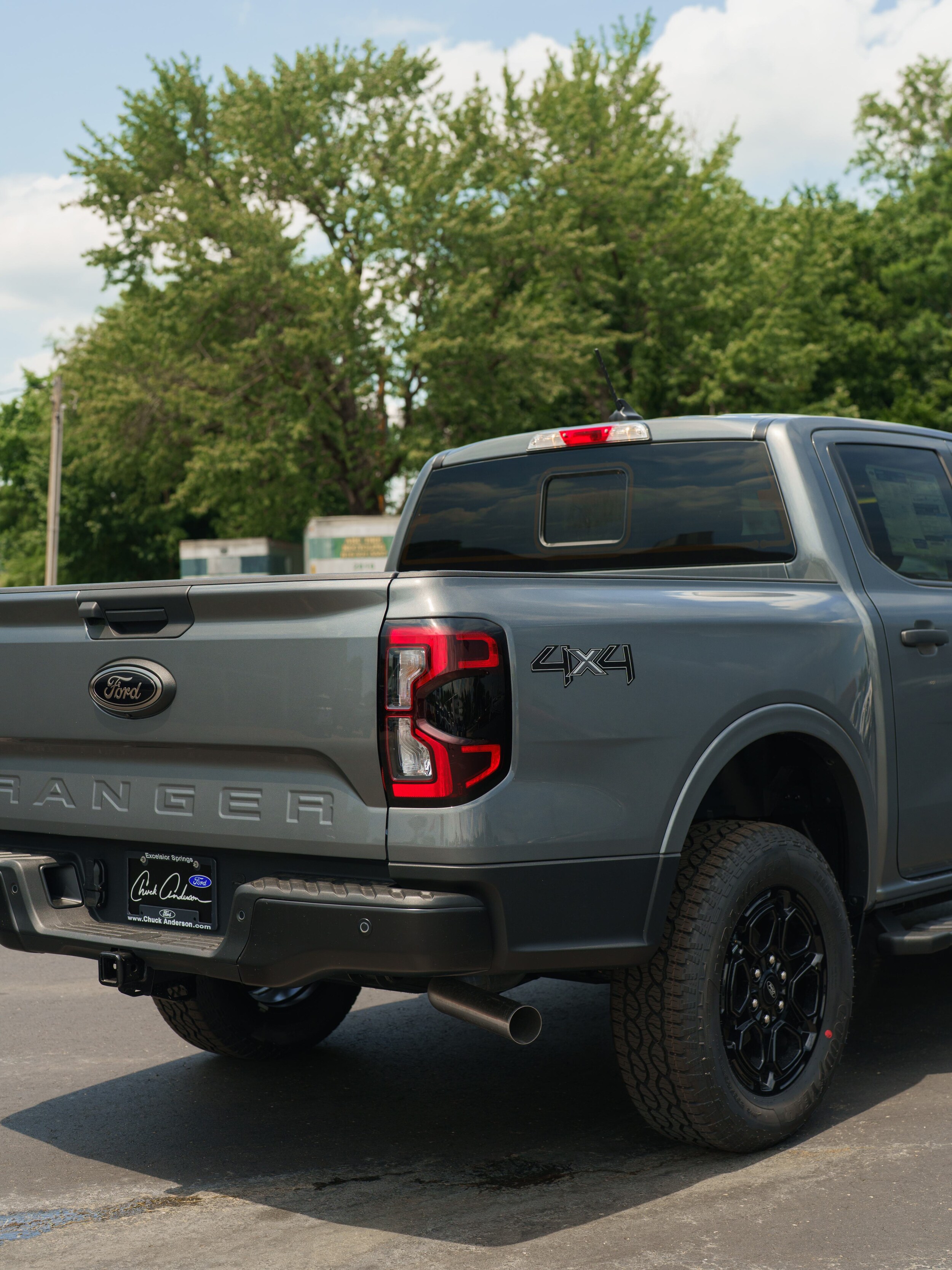
Oil-Life MonitorOil Change Timing
20,000 MICabin Filter
30,000 MIEngine Air Filter
3 YEARSBrake Fluid
Ranger Maintenance Schedule
Major 2026 Ford Ranger Service Intervals
Ford combines condition-based maintenance through the Intelligent Oil-Life Monitor with mileage- and time-based service items.
| Interval | Recommended Maintenance |
|---|---|
| When Oil-Life Monitor Indicates | Change engine oil and filter. Rotate tires. Inspect tire wear and tread depth. Perform recommended multi-point inspection. Inspect brakes, cooling system, suspension, steering, driveline and related components. |
| Every 3 Years | Replace brake fluid regardless of mileage. |
| 20,000 Miles | Replace cabin air filter. |
| 30,000 Miles | Replace engine air filter. |
| 60,000 Miles | Under severe-service conditions, replace spark plugs and service transfer-case fluid on applicable four-wheel-drive vehicles. |
| 100,000 Miles | Replace spark plugs under normal service. Inspect accessory drive belt. |
| 150,000 Miles | Change automatic transmission fluid. Change front axle fluid on four-wheel-drive vehicles. Change rear axle fluid. Change transfer-case fluid on four-wheel-drive vehicles. Replace accessory drive belt. |
| 200,000 Miles / 10 Years | Initial engine coolant replacement. |
| After Initial Coolant Service | Replace engine coolant every 5 years or 100,000 miles. |
Ranger Oil Changes
Your Ranger Tells You When It Needs an Oil Change
The 2026 Ranger uses Ford's Intelligent Oil-Life Monitor.
Instead of relying only on a fixed mileage schedule, the system considers how the truck is actually being used.
Frequent towing, heavy loads, long periods of idling, extreme temperatures and off-road use can shorten the oil-change interval.
Under normal use, owners may see the oil-change message somewhere around 7,500 to 10,000 miles.
Ford says owners should never exceed one year or 10,000 miles between oil changes.
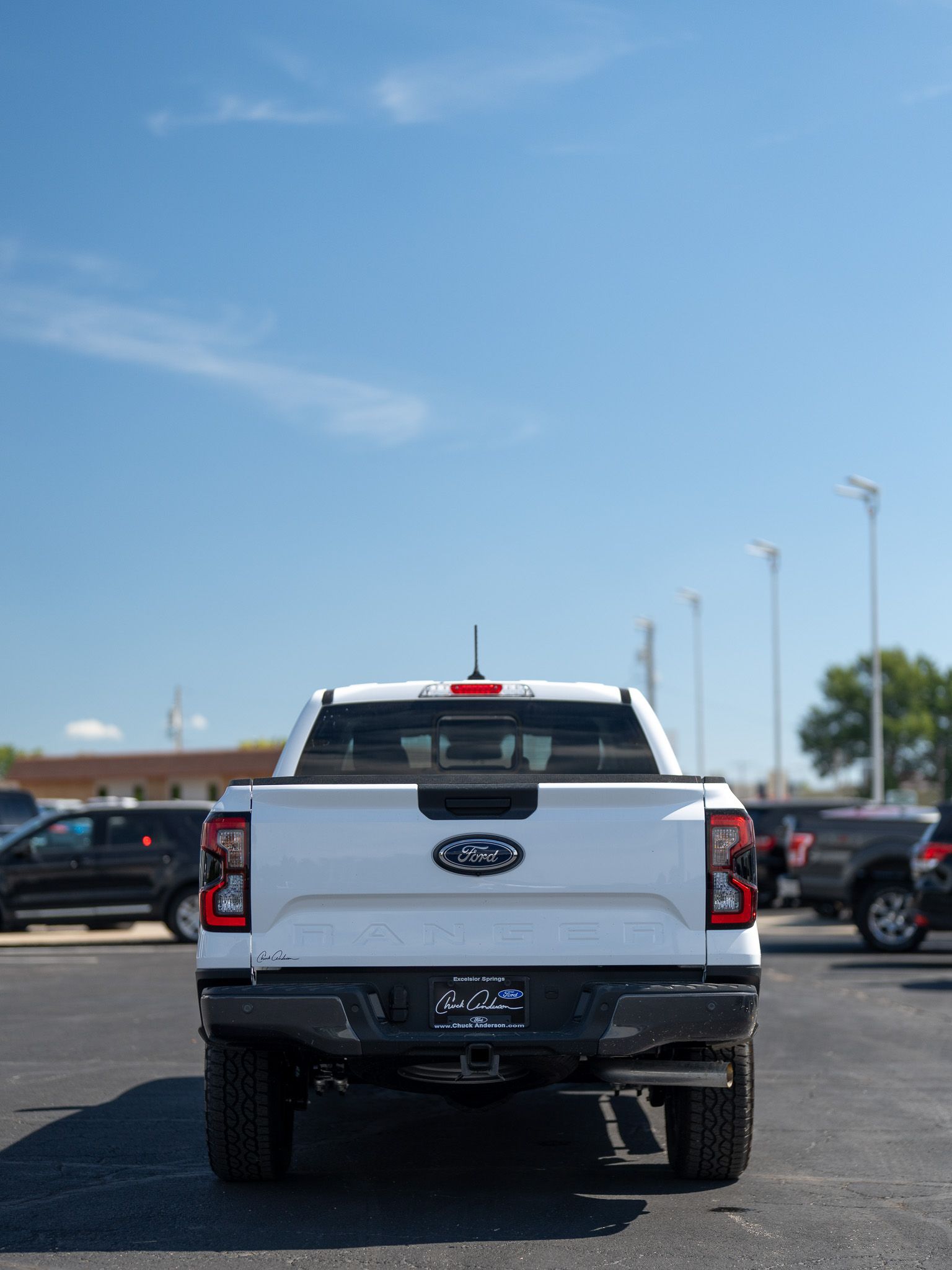
Typical Oil-Change Ranges
How Driving Conditions Affect Ranger Oil Life
7,500-10,000 Miles
Normal Use
Typical commuting, highway driving, moderate loads, limited towing and no extended idling.
5,000-7,500 Miles
Severe Use
Moderate-to-heavy towing, mountainous roads, off-road driving, extended idling or prolonged hot or cold operation.
3,000-5,000 Miles
Extreme Use
Maximum loads, frequent heavy towing, extreme temperatures or long periods of engine idling.
At Every Oil-Change Service
Do More Than Replace the Oil
Ford's maintenance schedule calls for several inspections at the same time the Ranger receives an oil and filter change.
- Change engine oil and filter.
- Reset the Intelligent Oil-Life Monitor.
- Rotate tires when appropriate.
- Inspect tire wear and measure tread depth.
- Inspect brake pads, rotors, hoses and parking brake.
- Inspect cooling-system strength and hoses.
- Inspect exhaust system and heat shields.
- Inspect suspension and steering components.
- Inspect driveshafts, U-joints and related driveline components.
- Inspect wheels for abnormal wear, looseness, drag or noise.
- Perform a multi-point inspection.
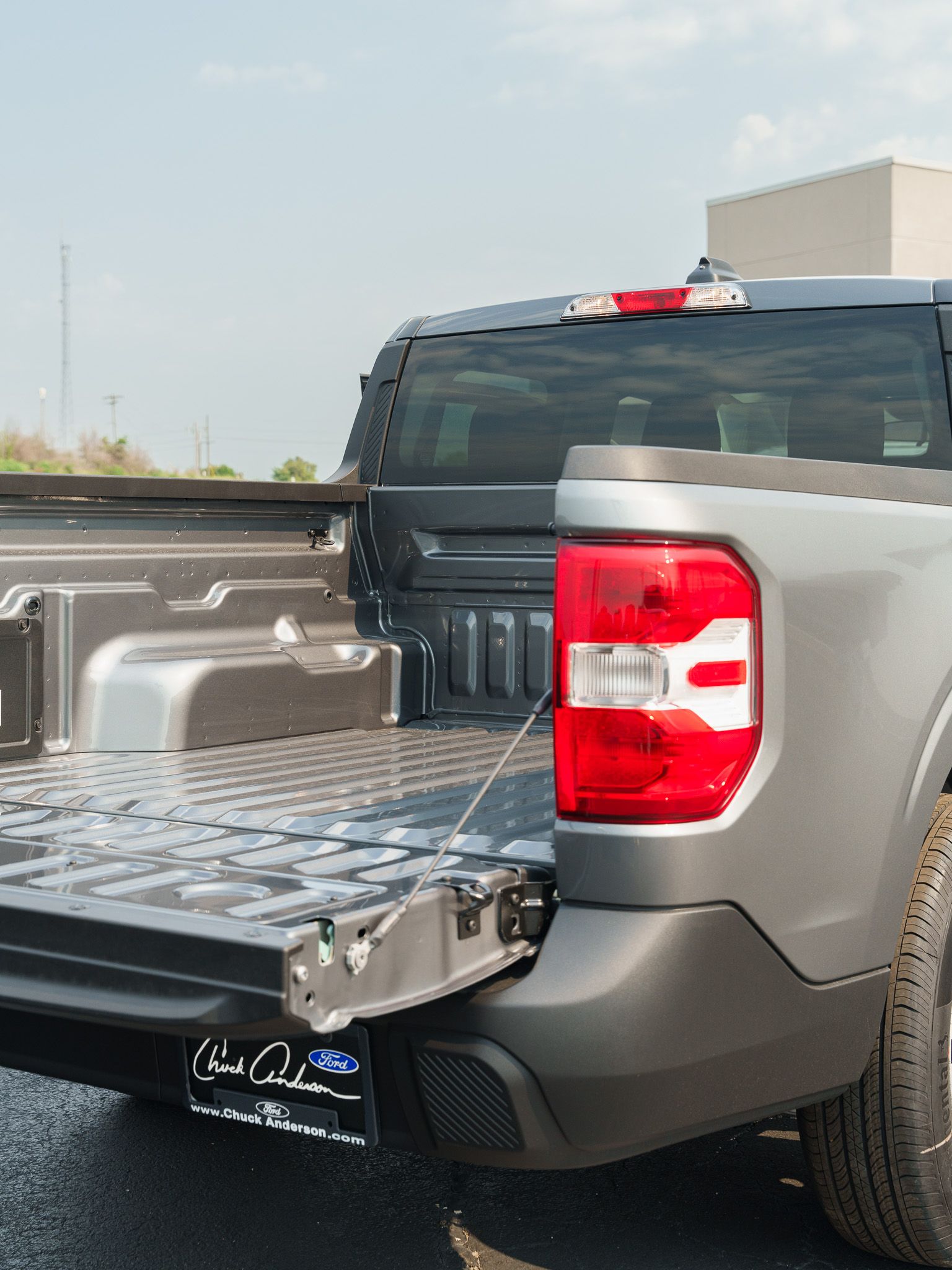
Tire Maintenance
Rotate and Inspect the Tires With Oil Service
Ford includes tire rotation and tire inspection with normal oil-change maintenance.
Tire pressure, tread depth and unusual wear should also be monitored between scheduled visits.
This becomes particularly important on Rangers used for towing, off-road driving or frequent hauling.
Ranger Raptor owners should also remember that aggressive off-road use can accelerate tire wear and may require more frequent inspection.
Ranger Brake Maintenance
Brake Inspection Is Part of Routine Service
Ford recommends checking the Ranger's braking system during regular oil-change service.
Inspection includes brake pads, rotors, brake hoses and parking-brake operation.
Trucks used frequently for towing, carrying heavy loads or stop-and-go driving may experience faster brake wear.
Brake condition should therefore be based on inspection, not simply a predetermined replacement mileage.
Brake Fluid: Every 3 Years
Ford specifies brake-fluid replacement every three years, regardless of mileage.
This is a time-based maintenance item and should not be delayed simply because the Ranger has low mileage.
Ranger Filters
Cabin and Engine Air-Filter Intervals
20,000 Miles
Cabin Air Filter
Ford specifies cabin-air-filter replacement every 20,000 miles under normal conditions.
Dusty conditions may justify more frequent replacement.
30,000 Miles
Engine Air Filter
Ford specifies engine-air-filter replacement every 30,000 miles under normal service.
Rangers regularly driven on dusty, sandy or unpaved roads should have the filter inspected more frequently.
Ranger Spark Plugs
100,000 Miles Normally — 60,000 Under Severe Service
Ford's normal maintenance schedule calls for spark-plug replacement at 100,000 miles.
Under severe-service conditions, Ford specifies a shorter 60,000-mile interval.
Severe use can include frequent towing, heavy commercial use, prolonged low-speed operation and other demanding operating conditions.
Because all three Ranger engines are turbocharged, maintaining the ignition system properly is especially important for smooth operation and consistent performance.
100,000-Mile Ranger Service
A Major Ownership Milestone
Spark Plugs
Replace under the normal maintenance schedule.
Accessory Belt
Inspect the accessory drive belt or belts.
Continue Oil-Based Inspections
Tires, brakes, cooling system, suspension and driveline inspections continue.
150,000-Mile Ranger Service
Major Driveline Fluid Service
At 150,000 miles under normal service, several long-life drivetrain maintenance items reach their scheduled interval.
| Component | 150,000-Mile Service |
|---|---|
| Automatic Transmission | Change automatic transmission fluid. |
| Front Axle | Change front-axle fluid on applicable four-wheel-drive Rangers. |
| Rear Axle | Change rear-axle fluid. |
| Transfer Case | Change transfer-case fluid on four-wheel-drive Rangers. |
| Accessory Drive Belt | Replace accessory drive belt or belts. |
Ranger 4x4 Maintenance
Four-Wheel Drive Adds Components That Need Attention
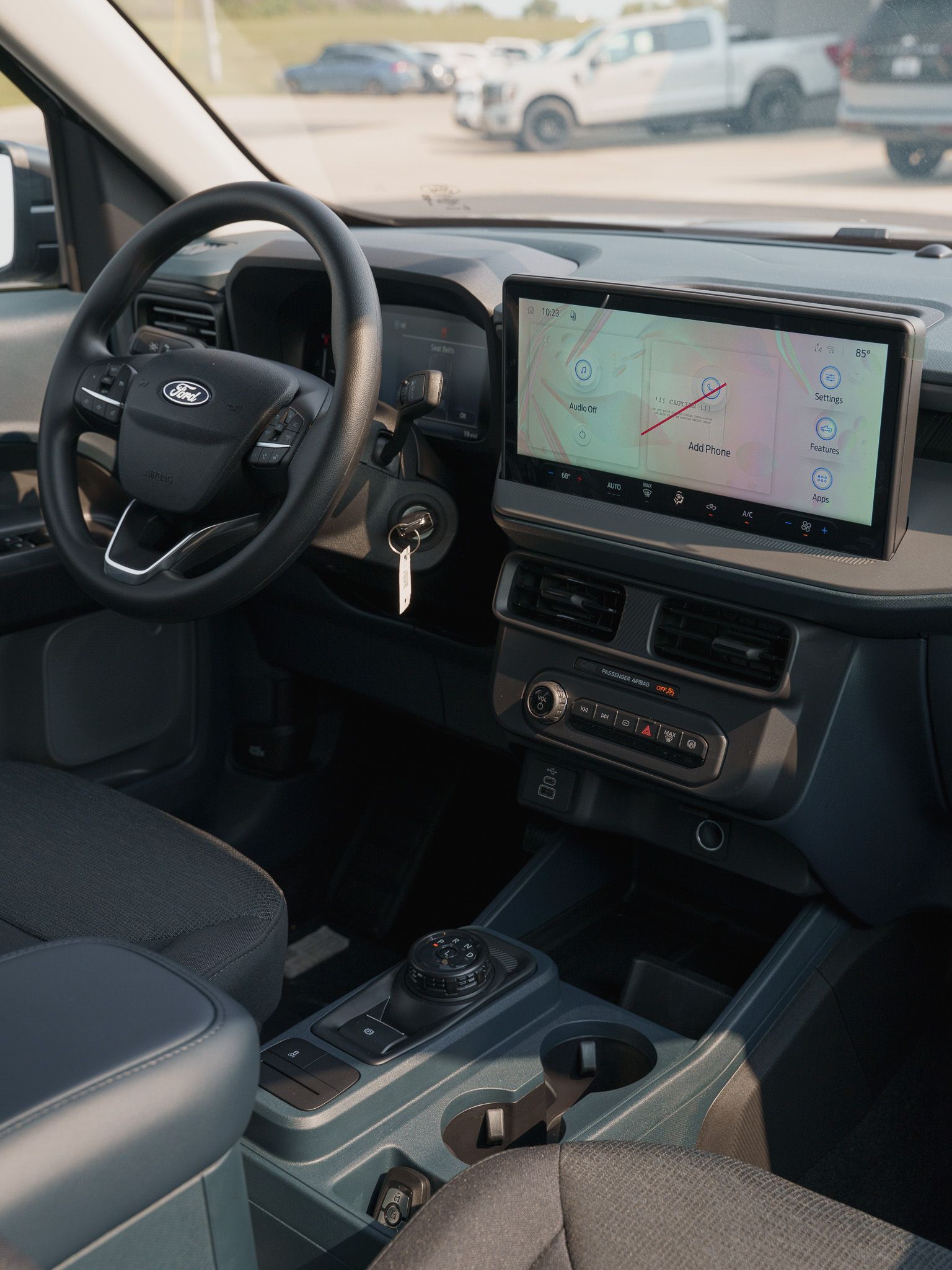
A 4x4 Ranger adds a transfer case, front axle and additional driveline components compared with a rear-wheel-drive truck.
Ford includes inspection of applicable axle, driveshaft and U-joint components during regular maintenance.
Under normal service, Ford schedules front-axle fluid and transfer-case fluid replacement at 150,000 miles.
Severe operating conditions can move transfer-case service forward to 60,000 miles.
Ranger Transmission Maintenance
Normal Transmission-Fluid Interval: 150,000 Miles
Every 2026 Ford Ranger uses an automatic transmission.
Under Ford's normal scheduled-maintenance program, automatic transmission-fluid service is listed at 150,000 miles.
That does not mean the transmission should be ignored until the odometer reaches 150,000.
Leaks, unusual shifting behavior, warning messages or harsh operating conditions should be inspected when they occur.
Ranger Coolant
Initial Coolant Replacement at 10 Years or 200,000 Miles
Ford specifies the first scheduled engine-coolant replacement at 10 years or 200,000 miles.
After the initial service, coolant is replaced every five years or 100,000 miles.
The cooling system should still be inspected during routine service, including coolant strength, hoses and visible leaks.
Coolant Timeline
First replacement:
10 years / 200,000 miles
Afterward:
Every 5 years / 100,000 miles
Severe-Service Ranger Maintenance
Some Rangers Need Maintenance Earlier
Maintenance intervals are based on use. A truck that spends its life commuting on the highway does not experience the same operating conditions as a Ranger towing frequently or working off-road.
Frequent Towing
Trailer use increases engine, brake and driveline loads.
Off-Road Driving
Dirt, dust, suspension movement and driveline use justify closer inspection.
Extended Idling
Engine hours accumulate even when the odometer is barely moving.
Extreme Temperatures
Prolonged very hot or very cold operation can reduce oil-life intervals.
Dusty & Off-Road Conditions
Air Filters May Need Attention Before Their Normal Mileage
Ford's normal schedule lists the engine air filter at 30,000 miles and cabin filter at 20,000 miles.
Those intervals assume normal driving conditions.
A Ranger frequently driven on gravel, dirt, dusty job sites, farms or unpaved trails should have its filters checked more frequently.
Excessive dirt in the engine-air filter can restrict airflow, while a dirty cabin filter can reduce HVAC airflow.
Ranger Maintenance in Missouri
Seasonal Conditions Are Worth Paying Attention To
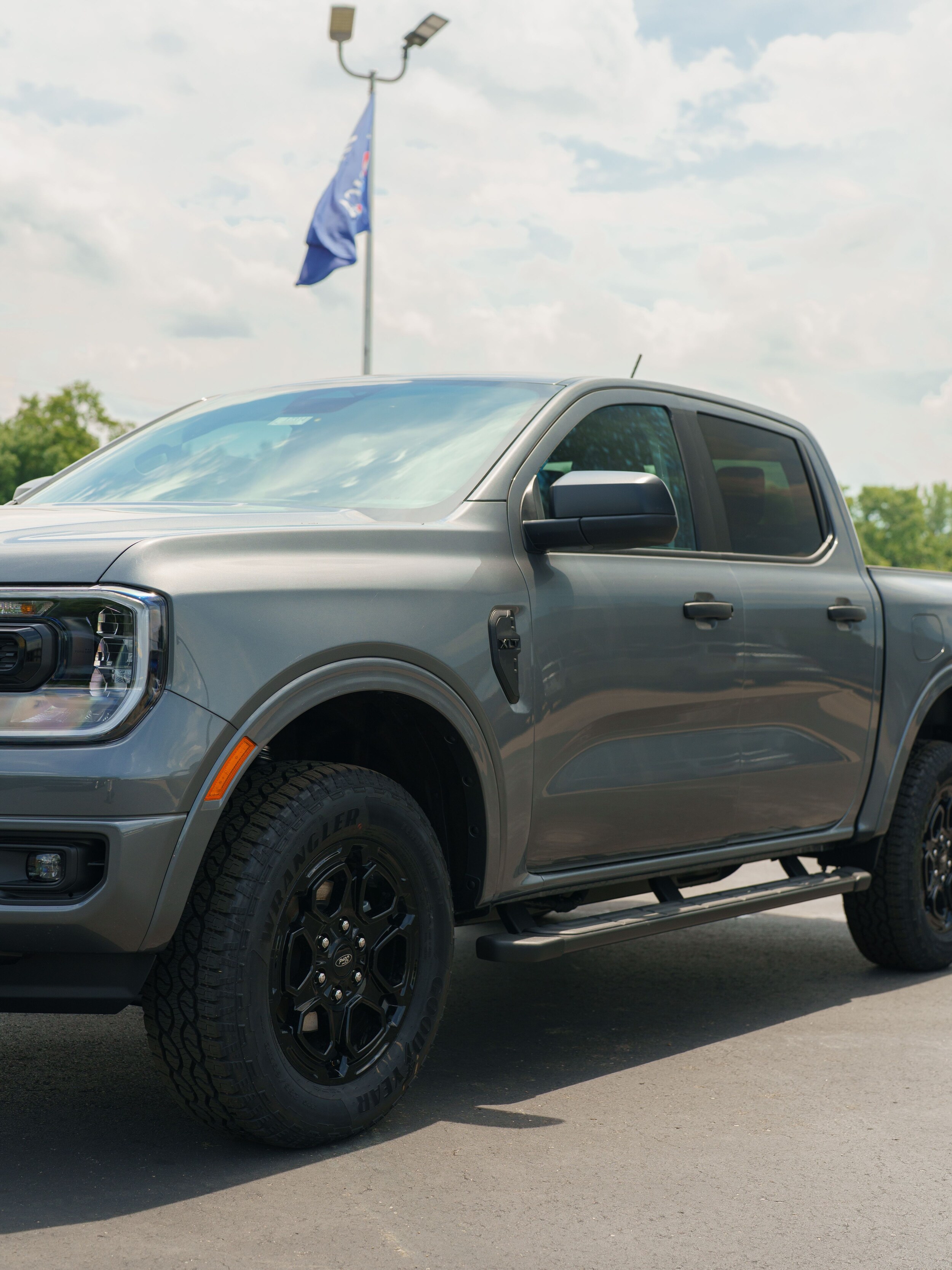
Missouri Rangers can see hot summers, freezing winters, road salt, heavy rain, gravel roads and temperature swings within the same year.
Before winter, check tire condition, battery performance, coolant protection, windshield-washer operation and wiper condition.
After winter, inspect the truck for road-salt buildup and look over exposed suspension, brake and underbody components.
Owners who frequently drive rural Missouri roads may also want more frequent tire and air-filter inspection.
Between Service Visits
Simple Ranger Ownership Habits
Watch Oil Life
Do not ignore the Intelligent Oil-Life Monitor or an oil-change message.
Check Tire Pressure
Check pressure regularly and before long trips or towing.
Look for Leaks
Fluid on the garage floor deserves investigation rather than waiting for the next service.
Listen to the Truck
New vibration, braking noise, driveline noise or suspension sounds should be inspected.
Research Your Ranger Engine
2026 Ranger Powertrain Guides
Explore Ranger Trims
Ownership Starts With the Right Ranger
Frequently Asked Questions
2026 Ford Ranger Maintenance FAQs
How often does a 2026 Ford Ranger need an oil change?
The 2026 Ranger uses Ford's Intelligent Oil-Life Monitor. Normal driving may result in an oil-change message around 7,500 to 10,000 miles. Ford says not to exceed one year or 10,000 miles between services.
Should I change Ranger oil every 5,000 miles?
Not necessarily. Ford's Oil-Life Monitor determines the interval based on use. Severe use may result in approximately 5,000-7,500-mile intervals, while extreme use may reduce the interval to roughly 3,000-5,000 miles.
When should I rotate the tires on a 2026 Ranger?
Ford includes tire rotation, tread measurement and tire-wear inspection with oil-change service as indicated by the Oil-Life Monitor.
When should the cabin filter be replaced?
Ford's normal schedule calls for cabin-air-filter replacement every 20,000 miles.
When should the Ranger engine air filter be replaced?
Under normal conditions, Ford schedules the engine air filter for replacement every 30,000 miles. Dusty conditions may require earlier inspection or replacement.
When should Ranger brake fluid be changed?
Ford specifies brake-fluid replacement every three years regardless of mileage.
When do spark plugs need to be changed in a 2026 Ford Ranger?
The normal interval is 100,000 miles. Ford specifies a 60,000-mile interval under severe-service conditions.
When should the Ranger transmission fluid be changed?
Ford's normal maintenance schedule lists automatic transmission-fluid replacement at 150,000 miles.
When should the Ranger transfer-case fluid be changed?
Under normal conditions, Ford schedules transfer-case fluid replacement at 150,000 miles on four-wheel-drive Rangers. Severe service can require a shorter interval, including 60,000-mile service in applicable conditions.
When should Ranger axle fluid be changed?
Ford's normal schedule calls for rear-axle fluid replacement at 150,000 miles and front-axle fluid replacement at 150,000 miles on applicable four-wheel-drive Rangers.
When should coolant be changed in a 2026 Ford Ranger?
Ford specifies the initial coolant change at 10 years or 200,000 miles. After that, replace coolant every five years or 100,000 miles.
Does towing change the Ranger maintenance schedule?
It can. Frequent towing can reduce oil life and may place the truck into Ford's severe-service category, requiring additional or earlier maintenance.
Does off-road driving require extra Ranger maintenance?
Frequent off-road, dusty or sandy driving can require more frequent inspection of tires, air filters, suspension, driveline components and fluids.
Does Ranger Raptor need different maintenance?
Ranger Raptor follows Ford's Ranger maintenance guidance, but frequent aggressive off-road use can qualify as severe service and justify more frequent inspection and maintenance.
What should be inspected at every Ranger oil change?
Ford's routine service includes tire rotation and inspection, brake inspection, cooling-system inspection, suspension and steering inspection, driveline checks and a recommended multi-point inspection.
2026 Ford Ranger Ownership
Maintain the Ranger for How You Actually Use It.
A Ranger used for a highway commute may need very different maintenance timing than one towing a camper, hauling equipment, traveling gravel roads or regularly heading off-road. Follow the Intelligent Oil-Life Monitor, stay current on time-based services such as brake fluid, replace filters and spark plugs when required, and pay particular attention to driveline fluids on four-wheel-drive trucks. Good maintenance is one of the simplest ways to protect Ranger reliability, capability and long-term ownership value.
This page is intended as a general ownership and maintenance reference for the 2026 Ford Ranger. Maintenance requirements can vary based on engine, drivetrain, vehicle equipment, operating conditions, towing, off-road use and other factors. Always follow the maintenance information provided with the specific vehicle and respond to warning messages and the Intelligent Oil-Life Monitor. Specifications and maintenance recommendations are subject to change.