
Is the Ford Bronco reliable?
Ford Bronco Reliability Guide
Is the Ford Bronco Reliable?
Yes, a Ford Bronco can be a reliable SUV, but there is more to the answer than a single reliability score. Bronco model year, engine, maintenance history, modifications, recall completion and previous off-road use can all make a major difference. That is especially important when shopping a used Bronco.
Quick Answer: Yes, the Ford Bronco Can Be Reliable
We would not avoid buying a Ford Bronco because of reliability concerns alone.
The modern Bronco returned for the 2021 model year, so the earliest vehicles now have several years of real-world use behind them. Ford has also continued refining the platform as production has matured.
At the same time, early Broncos experienced documented recalls and customer-satisfaction programs involving certain engines, roof components and suspension parts.
Those issues matter, but they should not be interpreted as meaning every Bronco has the same problem.
For a new Bronco, proper maintenance is the biggest part of the reliability conversation. For a used Bronco, maintenance, recall completion, modifications and the vehicle's previous life become equally important.
2021Modern Bronco Returned
3 YR / 36KNew-Vehicle Limited Warranty
5 YR / 60KPowertrain Warranty
3 ENGINESCurrent 2026 EcoBoost Lineup
What Does "Reliable" Mean for a Ford Bronco?
Reliability is not the same thing as never needing a repair.
Bronco is a mechanically complex SUV with turbocharged engines, four-wheel drive, removable body panels and available specialized off-road suspension and drivetrain hardware.
A well-maintained Bronco can provide years of dependable service, but it also has more systems and more potential use cases than a simple pavement-only crossover.
We Would Evaluate Reliability in Five Areas
- Engine and transmission history
- Recall and campaign completion
- Four-wheel-drive and suspension condition
- Roof, door and weather-sealing condition
- Previous off-road use and aftermarket modifications
A clean history in those areas tells you more about an individual Bronco than a generic online reliability number.
Modern Bronco
The Current Bronco Generation Has Been on the Road Since 2021
Ford brought the full-size Bronco back for the 2021 model year.
That means a 2026 Bronco is no longer the first year of a completely new platform.
Ford has had several model years to make running production changes, revise components and learn from early customer use.
Ford also continues to use off-road durability testing in severe environments, including Baja-style conditions, to identify areas for improvement.
That does not guarantee that a 2026 Bronco will never need a repair, but production maturity is an important distinction between a current Bronco and one of the earliest 2021 builds.
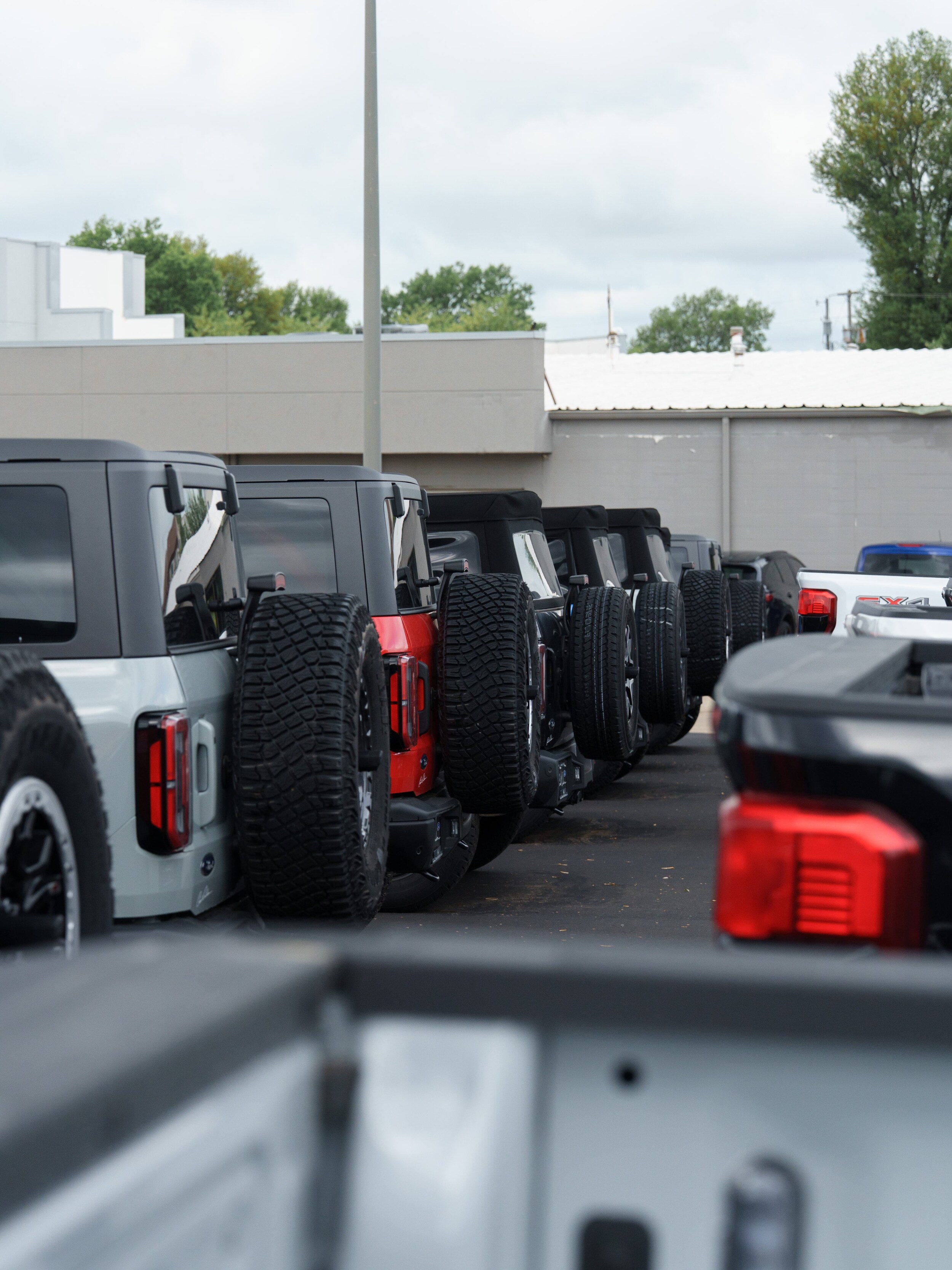
Can Anyone Know How Reliable a 2026 Bronco Will Be Long Term?
Not yet.
A new 2026 Bronco simply has not existed long enough to build a ten-year or 150,000-mile ownership record.
That is true of every new vehicle, not just Bronco.
What we can evaluate is the underlying Bronco platform, current engines, several years of production history, known recalls, maintenance requirements and the improvements Ford has made since the generation launched.
Be skeptical of anyone who claims to know with certainty exactly how reliable a brand-new model-year vehicle will be a decade from now.
2026 Bronco Engine Choices
Current Bronco buyers can choose from three turbocharged EcoBoost engines.
2.3L EcoBoost I-4:
Up to 300 hp / 325 lb-ft
2.7L EcoBoost V6:
Up to 330 hp / 415 lb-ft
3.0L EcoBoost V6:
Up to 418 hp / 440 lb-ft in Bronco Raptor
Does More Power Mean Less Reliability?
Not automatically.
All three engines are turbocharged and depend on proper oil, cooling, fuel and maintenance practices.
The more useful question is whether the individual engine has been maintained correctly and whether any VIN-specific campaigns have been completed.
For used vehicles, documented service history matters more than simply choosing the smallest engine.
2.3L EcoBoost Reliability
The 2.3L EcoBoost is the standard engine across much of the Bronco lineup and is available with either the 7-speed manual or 10-speed automatic depending on configuration.
It produces strong output without requiring buyers to move into the V6.
From a reliability standpoint, maintenance quality should be the focus: correct oil, appropriate service intervals, cooling-system condition and a clean diagnostic history.
Do not assume the 2.3L is automatically the "safe" engine simply because it is smaller. Evaluate the actual vehicle.
2.7L EcoBoost Reliability
The 2.7L EcoBoost V6 is popular because its 415 lb-ft of available torque gives Bronco considerably more low- and mid-range muscle.
Early-production 2021 and 2022 vehicles equipped with certain 2.7L engines were included in a federal safety recall involving intake valves that could fail and cause engine damage or loss of drive power.
That recall is important history for an affected used Bronco, but it should not be generalized to every 2.7L Bronco ever produced.
If shopping an early 2.7L Bronco, check the VIN and verify recall status before purchase.
Important Used-Bronco Recall History: Certain 2021–2022 2.7L Broncos Certain 2021 and 2022 Bronco vehicles equipped with the 2.7L EcoBoost were included in NHTSA Campaign 24V-635. The issue involved certain engine intake valves that could break, potentially causing engine failure and loss of drive power. Ford's remedy calls for dealers to perform an engine-cycle test and replace the engine when necessary at no charge under the recall. Always check the exact VIN rather than assuming a particular Bronco is or is not affected.
A Recall Does Not Automatically Mean a Vehicle Is Unreliable
Nearly every major manufacturer issues recalls.
A recall means a manufacturer and federal regulators have identified a safety-related condition affecting a defined population of vehicles.
The important question for a used vehicle is whether the specific VIN was affected and whether the repair was completed.
When Shopping Used
- Run the VIN through a current recall lookup.
- Ask for service records.
- Verify completed recall repairs.
- Check for outstanding field-service actions.
- Do not rely solely on model-year generalizations.
Recall status follows the vehicle, not internet reputation.
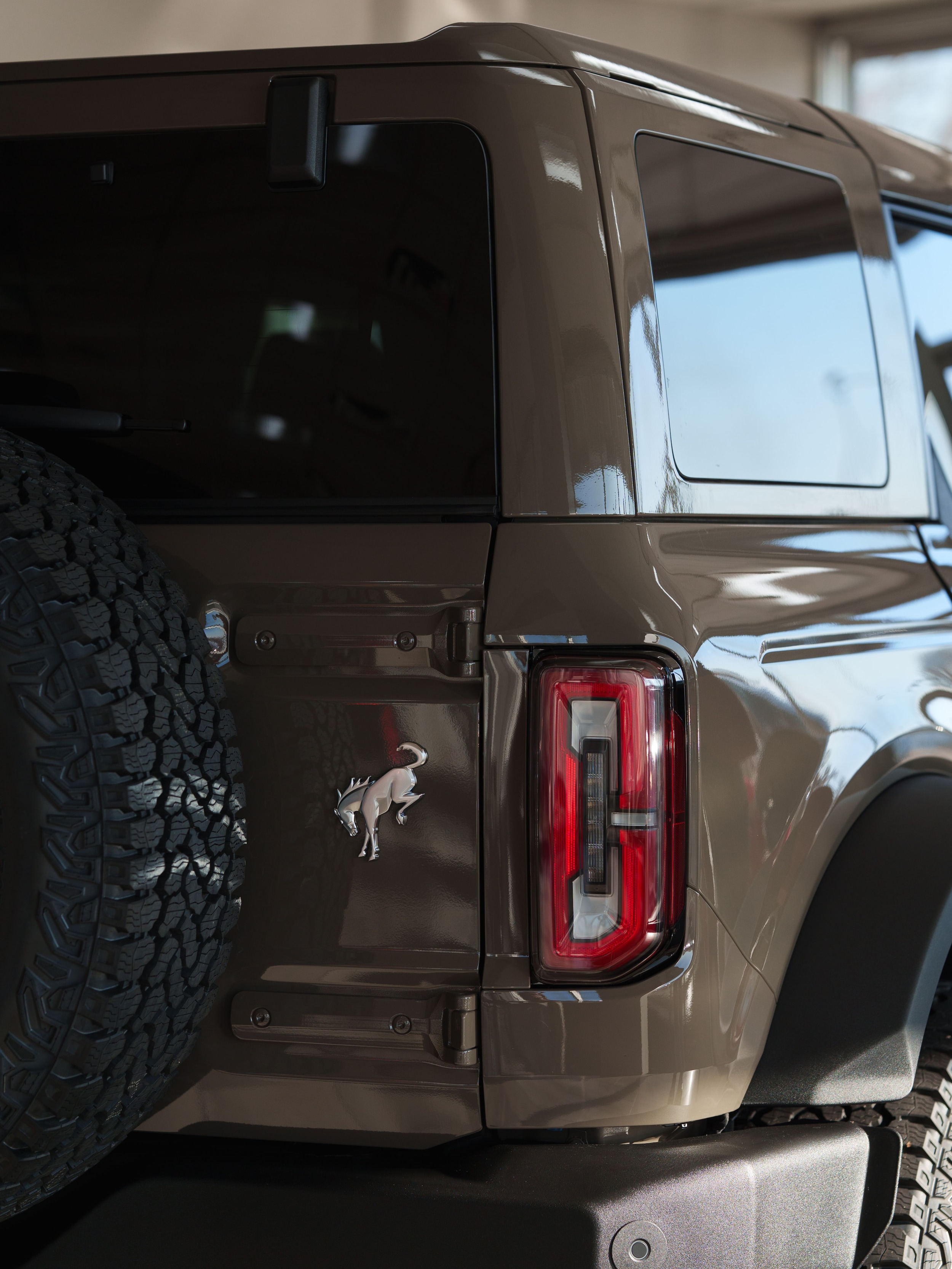
Suspension History
Certain 2021–2024 Broncos Also Had a Rear-Shock Recall
Ford issued a safety recall affecting certain 2021 through 2024 Bronco vehicles equipped with specific external-reservoir rear shock absorbers.
Corrosion could develop around the external reservoir mounting area and potentially allow the reservoir to separate.
This recall does not mean every Badlands or Sasquatch Bronco has the condition.
Ford's recall documentation identifies specific affected parts, production dates and VINs.
Again, VIN verification is more useful than simply avoiding an entire model year.
What About Bronco Roof Problems?
Early Bronco production also generated concerns involving removable roof components.
Ford previously created a customer-satisfaction program for certain 2021 Broncos equipped with the molded-in-color hard top involving roof-panel delamination.
Ford has also published service information for certain 2021–2024 factory soft tops involving snow or sand intrusion during strong wind conditions.
Those issues are another reason to inspect a used Bronco's roof carefully rather than simply checking the engine and transmission.
Look at seals, panels, latches, weatherstripping and signs of water intrusion, especially on an older removable-roof Bronco.
Removable Roofs and Doors Create Different Inspection Points
One reason Bronco ownership is fun is that major parts of the vehicle can come off.
That also means the seals, locating pins, latches and removable panels deserve attention during a used-vehicle inspection.
Check For:
- Torn or crushed weatherstripping
- Water stains or damp carpeting
- Wind noise beyond what is expected
- Damaged top-panel edges
- Broken or missing fasteners
- Door-alignment damage
- Scratches around removal points
- Missing factory removal tools or hardware
Are Ford Bronco Transmissions Reliable?
Current Bronco offers two very different transmission choices depending on engine and configuration.
7-Speed Manual
Applicable 2.3L Broncos can be equipped with Ford's 7-speed manual transmission.
It uses six conventional forward gears plus a crawler gear designed for low-speed trail work.
On a used manual Bronco, clutch condition and driver history matter considerably.
Listen for abnormal noises, confirm smooth engagement and check service history if available.
10-Speed Automatic
The 10-speed automatic is used with automatic 2.3L Broncos and with the 2.7L and 3.0L EcoBoost V6 engines.
When inspecting a used Bronco, make sure shifts are consistent under light and heavier throttle and check for warning lights, stored diagnostic faults or evidence of neglected service.
Transmission condition is vehicle-specific. A clean test drive tells you more than the transmission name alone.
A Used Bronco's Previous Owner May Matter More Than Its Mileage
This is one of the biggest differences between buying a used Bronco and buying an ordinary commuter SUV.
Two Broncos with 40,000 miles can have lived completely different lives.
One may have driven to work every day.
The other may have spent weekends crawling rocks, crossing mud, bouncing down trails and recovering other vehicles.
Off-Road Use Can Affect:
- Shocks
- Bushings
- Ball joints
- Steering components
- Wheel bearings
- CV joints
- Axles
- Underbody protection
- Cooling systems
- Wheels and tires
Off-road use is not automatically abuse. Poorly maintained or careless off-road use is the concern.
Look Under a Used Bronco Before You Fall in Love With the Paint
A clean interior and shiny exterior can hide a lot of history.
Inspect the frame, bash plates, rock rails, suspension mounting points, differential housings and underside of the vehicle.
Scrapes on skid plates are not necessarily alarming. Those parts are designed to protect the vehicle.
Heavy impacts, bent brackets, damaged mounts, leaking components or improvised repairs deserve much more attention.
For an aggressively equipped used Bronco, an underbody inspection can be more informative than the odometer.
Used Bronco Shopping
Aftermarket Modifications Can Change the Reliability Equation
Bronco is one of the most modification-friendly vehicles on the market.
That is great for enthusiasts, but a heavily modified used Bronco deserves additional inspection.
Larger tires, suspension lifts, altered gearing, aftermarket tuning, lighting, winches and electrical accessories all change something from the original factory configuration.
A properly engineered modification may cause no problem.
Poor installation can create alignment issues, premature wear, drivability concerns, electrical faults and difficulty diagnosing future problems.
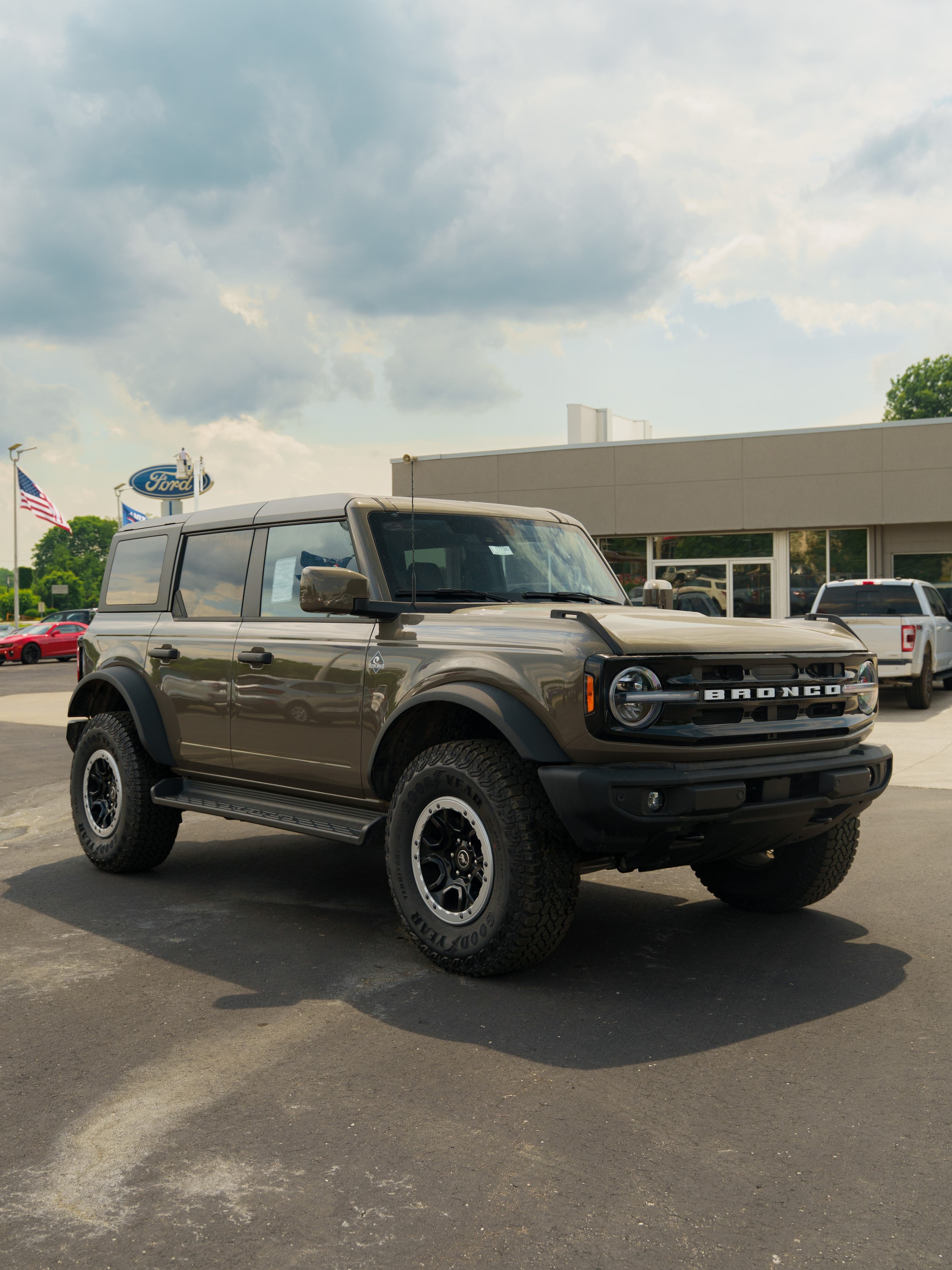
Questions to Ask About a Modified Bronco
- Who installed the modifications?
- Are there receipts?
- Was the vehicle tuned?
- Has the gearing been changed?
- Were alignment corrections made?
- Are factory parts included?
Pay Special Attention To
- Oversized tires
- Suspension lifts
- Wheel spacers
- Aftermarket engine calibrations
- Non-factory wiring
- Winch installation
- Added lighting
- Modified exhaust or intake systems
A stock Bronco with good records is generally easier to evaluate than a mystery build.
How Do You Make a Ford Bronco Last?
Long-term reliability starts with boring things done consistently.
1
Change the Oil on Time
Follow Ford's Oil-Life Monitor and Owner's Manual rather than stretching service intervals because the vehicle still seems to run normally.
2
Check Fluids
Monitor coolant, brake fluid, transmission and drivetrain fluids according to the maintenance schedule and vehicle use.
3
Maintain the 4x4 System
Differentials, transfer-case components, seals and driveline parts are especially important on vehicles used off road.
4
Inspect After Trail Use
Check underneath the Bronco after difficult trail trips for impacts, leaks, damaged protection and packed mud or debris.
5
Keep Tires Correct
Proper pressure, rotation and alignment help protect tires, steering and suspension components.
6
Address Problems Early
A small leak, warning light, unusual noise or driveline vibration is easier to address before it becomes a larger repair.
If You Use the Bronco Off Road, Maintenance Changes
Ford built Bronco to go off road. That does not mean difficult trail use requires no additional attention afterward.
Mud, sand, water, rocks and repeated suspension articulation expose the vehicle to conditions a pavement-only SUV rarely sees.
After severe use, inspect the underbody, clean accumulated mud, check for leaks and pay attention to wheel, steering, suspension and driveline condition.
Water crossings deserve particular caution. Water-fording capability is not permission to drive blindly into unknown water or ignore post-trip inspection.
The harder you use the Bronco, the more important proactive maintenance becomes.
What Warranty Comes With a New Ford Bronco?
Current Ford Bronco warranty coverage includes:
Bumper-to-Bumper:
3 years / 36,000 miles
Powertrain:
5 years / 60,000 miles
Additional Published Coverage
Safety Restraint System:
5 years / 60,000 miles
Corrosion Perforation:
5 years / unlimited miles
Roadside Assistance:
5 years / 60,000 miles
Warranty coverage is subject to Ford's terms, exclusions and vehicle eligibility.
Buying a New Bronco
A new Bronco eliminates many of the unknowns associated with a used off-road vehicle.
- You know how the vehicle has been driven.
- You control the maintenance from day one.
- You know whether modifications were installed.
- New-vehicle warranty coverage starts with you.
- You can choose the exact factory off-road equipment you need.
For someone planning to keep a Bronco for many years, starting new can provide valuable peace of mind.
Buying a Used Bronco
A used Bronco can be an excellent purchase, but condition matters more than simply finding the lowest mileage.
- Verify recall completion.
- Review maintenance history.
- Inspect underneath the vehicle.
- Check removable roof and door components.
- Evaluate modifications.
- Test every 4x4 function.
- Scan for diagnostic trouble codes when appropriate.
Are Newer Ford Broncos More Reliable Than 2021 Models?
Newer production benefits from additional years of manufacturing experience, but model year alone does not determine whether an individual Bronco is good or bad.
| Model-Year Range | How We Would Think About It | What to Check |
|---|---|---|
| 2021 | Launch-year Bronco with the greatest amount of early-production history. | Recall completion, roof history, service records, engine configuration and modifications. |
| 2022 | Still relatively early in the generation and included in some documented engine campaigns. | VIN recall status, engine history, roof condition and previous use. |
| 2023–2024 | More mature production, but certain vehicles may still have VIN-specific campaigns. | Recall lookup, suspension condition, maintenance and off-road wear. |
| 2025–2026 | Later-production examples with additional years of platform development. | Normal new-vehicle due diligence and current VIN-specific recall status. |
Do not interpret this chart as a blanket reliability ranking. A well-maintained 2021 Bronco with completed campaigns and excellent history can be a better purchase than a neglected newer Bronco.
Used Ford Bronco Inspection Checklist
If we were evaluating a used Bronco, these are the areas we would want checked before purchase.
1
VIN Recall Status
Check for incomplete safety recalls and confirm that previous campaigns were performed.
2
Maintenance History
Look for consistent oil changes, fluid service and documented repairs rather than unexplained gaps.
3
Cold Start
Listen for unusual noises and watch for warning lights, excessive smoke or unstable idle.
4
Transmission
Confirm smooth clutch operation on manuals and consistent shifting on automatics.
5
Four-Wheel Drive
Verify appropriate 4x4 functions, differential locks and applicable drive modes operate correctly.
6
Suspension
Inspect shocks, bushings, control arms, steering components and tires for abnormal wear or damage.
7
Underbody
Look for hard impacts, bent components, leaks and evidence of repeated heavy trail contact.
8
Roof & Door Seals
Inspect removable-panel seals, latches and weatherstripping and check for signs of water intrusion.
9
Modifications
Identify non-factory suspension, wheels, tires, engine tuning, electrical accessories and recovery equipment.
Would We Buy a Used Ford Bronco?
Yes—with the right history.
We would rather buy a slightly higher-mileage Bronco with complete maintenance records, completed recalls and sensible factory equipment than a lower-mileage vehicle with questionable modifications and no history.
Our Used-Bronco Priorities
- Clean overall condition
- Verified recall status
- Documented maintenance
- Stock or professionally installed modifications
- Healthy engine and transmission
- Clean underbody and suspension
- Roof and door seals in good condition
Mileage comes after those questions, not before them.
How Long Can a Ford Bronco Last?
There is no honest mileage number at which every Bronco will fail or automatically remain trouble-free.
Vehicle life depends heavily on maintenance, climate, towing, off-road use, modifications, accident history and how problems are addressed as the vehicle ages.
The current generation also returned only for the 2021 model year, so it does not yet have the decades-long modern ownership record of some older vehicle platforms.
That does not mean a Bronco cannot accumulate high mileage.
It means claims such as "every Bronco lasts 200,000 miles" should be treated as possibilities, not guarantees.
Long-Term Ownership
What Matters More as Mileage Increases?
As a Bronco ages, normal wear items become a larger part of the ownership picture.
Tires, brakes, shocks, bushings, wheel bearings, batteries, seals and other components eventually require attention on any vehicle.
A Bronco used frequently off road may reach those replacement points differently than a Bronco that spends nearly all of its life on the highway.
High mileage by itself is not the enemy. Deferred maintenance is.
Does Daily Driving Hurt Bronco Reliability?
Normal pavement use is generally less demanding on many suspension and underbody components than repeated difficult trail driving.
In fact, a Bronco used primarily as a commuter may have lived a much easier mechanical life than its aggressive styling suggests.
But Short Trips Still Matter
Consistent maintenance remains important even when the vehicle never leaves pavement.
Oil-life monitoring, battery condition, tire pressure and routine inspection should not be ignored simply because the Bronco is not being driven hard.
A mall-crawling Bronco still needs maintenance.
Is a Sasquatch Bronco Less Reliable?
Sasquatch itself should not automatically be viewed as a reliability problem.
It is factory-engineered equipment designed specifically for Bronco.
However, larger tires and more specialized off-road hardware can increase the cost of wear items and may encourage the vehicle to be used in more demanding terrain.
That makes prior use important when buying used.
A factory Sasquatch Bronco that was maintained and driven responsibly can be a much safer bet than a standard Bronco fitted later with a poorly engineered lift and oversized tires.
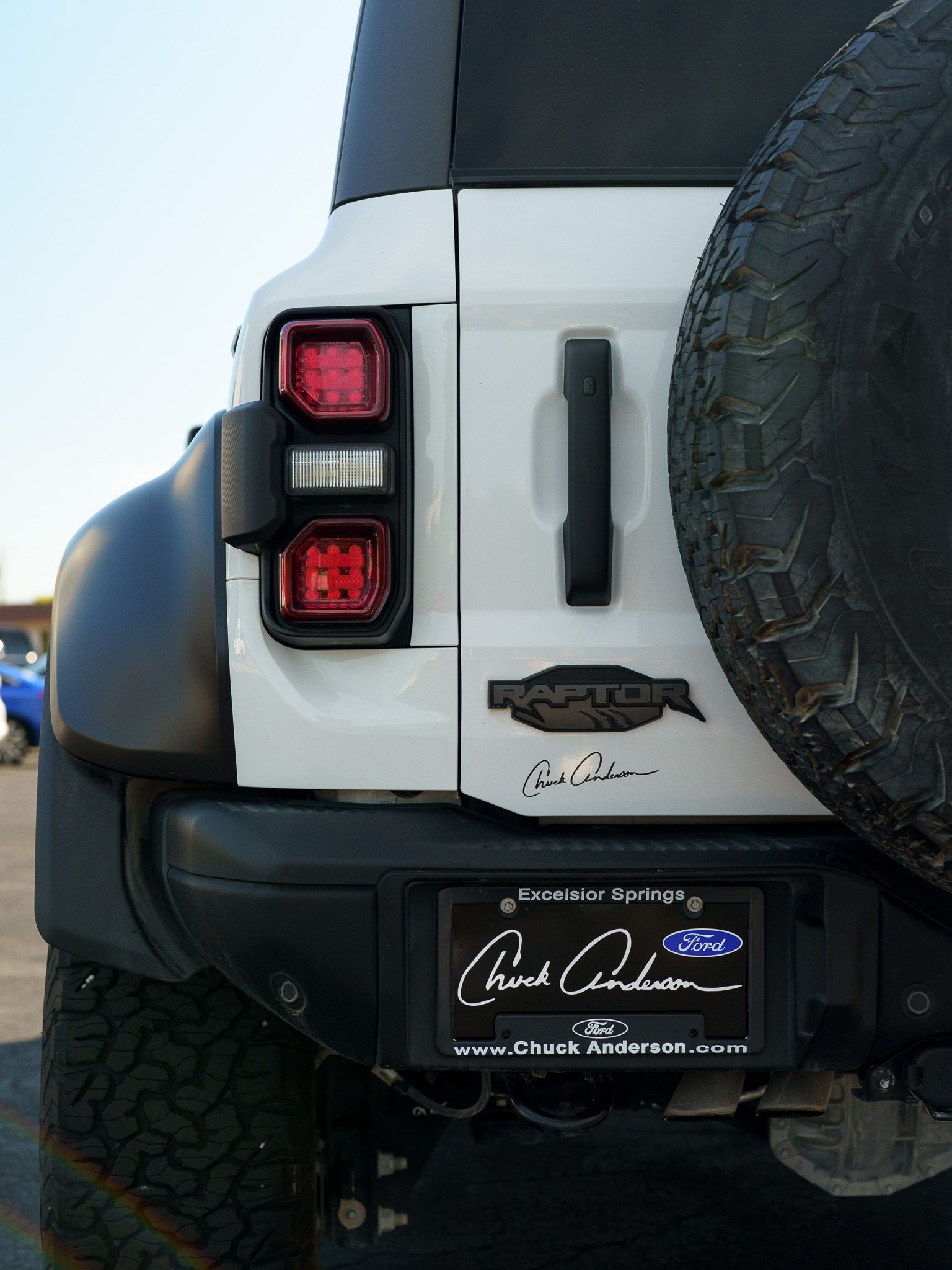
What About Bronco Raptor Reliability?
Bronco Raptor uses specialized components throughout the vehicle, including its 3.0L EcoBoost V6, wide-track suspension and 37-inch-tire package.
Those components are factory engineered for high-performance off-road use.
They can also be more expensive to replace than ordinary Bronco components simply because they are larger and more specialized.
Used Raptor Inspection Matters Even More
A used Bronco Raptor may have been purchased specifically to do things an Outer Banks owner would never attempt.
Examine the suspension, underbody, wheels, tires and service history carefully.
Capability is not the problem. Unknown history is.
Signs of a Used Bronco We Would Feel Better About Complete maintenance documentation, factory or professionally installed equipment, even tire wear, a clean underbody, no fluid leaks, properly functioning 4x4 systems, clean roof seals, no warning lights, documented recall completion and a seller who can explain how the vehicle was used.
Signs That Deserve More Investigation Unexplained warning lights, mismatched oversized tires, abnormal suspension angles, poor-quality electrical wiring, aggressive engine tuning with no documentation, severe underbody damage, fluid leaks, missing roof hardware, signs of water intrusion, incomplete recalls or a seller who cannot explain major modifications.
Which New Bronco Would We Choose With Reliability in Mind?
We would not choose a Bronco trim solely by trying to predict which one will require the fewest repairs.
Instead, we would avoid buying complexity we do not need.
For many buyers, that means starting with Big Bend or Outer Banks rather than automatically moving to the most specialized configuration.
Keep the Build Matched to Your Use
Big Bend: strong all-around choice.
Outer Banks: strong pavement-focused daily-driver choice.
Badlands: worth the extra hardware when difficult trails are actually part of the plan.
Raptor: buy it because you want Raptor capability—not because the top trim must automatically be better.
Should Reliability Concerns Stop You From Buying a Bronco?
For most shoppers, no.
If You're Buying New
Buy the Bronco configuration that fits your needs and maintain it correctly from the beginning.
New-vehicle warranty coverage provides additional protection during the early ownership period.
If You're Buying Used
Spend more effort investigating the individual vehicle than debating Bronco reliability in general.
A VIN check, service history, inspection and careful test drive should drive the decision.
Our Verdict: Yes, We Would Buy a Ford Bronco
Reliability concerns alone would not keep us from buying a Ford Bronco.
The modern platform has been in production since 2021, and current Bronco buyers benefit from several years of continued development.
There have been legitimate recalls and early-production concerns, including the intake-valve recall involving certain early 2.7L-equipped Broncos and a rear-shock recall affecting certain 2021–2024 vehicles.
Those should be taken seriously, but they should also be evaluated at the VIN level rather than used to label every Bronco unreliable.
For a new Bronco, follow the maintenance schedule, pay attention to warning signs and use the vehicle within its designed limits.
For a used Bronco, add recall verification, underbody inspection, modification history, roof condition and previous off-road use to the checklist.
The Bronco we would avoid is not necessarily a particular trim or model year. It is the Bronco with unknown maintenance, questionable modifications, unresolved recalls or evidence of hard use without proper care.
Find a clean one, maintain it correctly and there is no reason a Bronco cannot be a dependable part of your garage for years.
Ford Bronco Reliability FAQs
Quick answers to common questions about new and used Bronco reliability.
Is the Ford Bronco reliable?
Yes, a Ford Bronco can be a reliable SUV when properly maintained. Reliability varies by model year, individual vehicle history, engine, modifications and previous use, so used Broncos should be evaluated individually.
Is the 2026 Ford Bronco reliable?
The 2026 Bronco benefits from several years of development since the current generation launched for 2021. However, a 2026 vehicle is still too new for definitive long-term reliability conclusions.
What year did the current Ford Bronco come out?
The modern full-size Ford Bronco returned for the 2021 model year.
Are first-year 2021 Broncos reliable?
Many 2021 Broncos continue to provide dependable service, but the launch-year vehicles have more early-production history to review. Check the exact VIN for recalls and review engine, roof, service and modification history before buying.
Did the Ford Bronco 2.7L have an engine recall?
Certain 2021 and 2022 Broncos equipped with the 2.7L EcoBoost were included in a federal safety recall involving engine intake valves that could break and potentially cause engine failure. Recall applicability is VIN-specific.
Does every 2.7L Bronco have the intake-valve problem?
No. The recall applies to a defined population of affected vehicles. Buyers should check the exact VIN rather than assuming every 2.7L Bronco is affected.
Was there a Bronco shock absorber recall?
Yes. Certain 2021 through 2024 Broncos equipped with specific external-reservoir rear shocks were recalled because corrosion could potentially allow the external reservoir to separate. Applicability depends on the exact vehicle.
Did early Ford Broncos have hard-top problems?
Ford previously created a customer-satisfaction program involving roof-panel delamination on certain 2021 Broncos equipped with the molded-in-color hard top. Used-Bronco shoppers should inspect the roof and verify vehicle service history.
Which Ford Bronco engine is most reliable?
There is not enough evidence to guarantee that one current Bronco engine will always outlast the others. Maintenance history, individual condition and recall status are more useful than declaring one engine universally the most reliable.
Is the Bronco 2.3L EcoBoost reliable?
The 2.3L EcoBoost is the standard engine across much of the Bronco lineup. Proper oil changes, fluid maintenance, cooling-system condition and vehicle history are important when evaluating long-term reliability.
Is the Bronco 2.7L EcoBoost reliable?
Many 2.7L Broncos provide normal service, but certain early 2021 and 2022 vehicles were included in an intake-valve safety recall. Check the VIN and service history when evaluating an older 2.7L Bronco.
Is Bronco Raptor reliable?
Bronco Raptor uses factory-engineered high-performance components, but its specialized suspension, 37-inch tires and off-road capability make previous use particularly important when buying one used.
Is Bronco Sasquatch reliable?
Sasquatch is factory-engineered Bronco equipment and should not automatically be considered less reliable. Used examples should still be inspected carefully because larger tires and increased off-road capability may result in more demanding previous use.
How long can a Ford Bronco last?
There is no guaranteed mileage lifespan. Long-term durability depends heavily on maintenance, climate, previous use, modifications and how quickly repairs are addressed. The modern Bronco generation is also too young for definitive decades-long mileage conclusions.
Is a used Ford Bronco a good buy?
A used Bronco can be an excellent purchase when it has documented maintenance, completed recalls, healthy drivetrain and suspension components and sensible modifications or factory equipment.
What should I inspect on a used Bronco?
Check recall status, maintenance history, engine and transmission operation, four-wheel-drive systems, underbody condition, suspension, roof and door seals, tire wear and aftermarket modifications.
Are modified Broncos less reliable?
Not necessarily. Professionally installed modifications can perform well, but poorly designed suspension changes, oversized tires, tuning or electrical work can create additional wear or repair concerns. Documentation is valuable.
Does off-roading make a Bronco unreliable?
No. Bronco is designed for off-road use. However, difficult off-roading increases wear and makes inspection and maintenance of suspension, steering, underbody and drivetrain components more important.
What warranty does a new Ford Bronco have?
Current Ford Bronco warranty coverage includes a 3-year or 36,000-mile bumper-to-bumper warranty and a 5-year or 60,000-mile powertrain warranty, subject to Ford's terms and exclusions.
Should reliability concerns stop me from buying a Bronco?
Not by themselves. We would be comfortable buying a Bronco with appropriate maintenance, verified recall status and good overall condition. Used vehicles deserve additional inspection for modifications and previous off-road use.
Continue Your Ford Bronco Research
Compare Bronco trims, capability and ownership questions before choosing your SUV.
Have Questions About a Bronco's Reliability or Service History?
The best reliability evaluation happens at the vehicle level.
If you are considering a Bronco, Chuck Anderson Ford can help you understand the engine, trim, factory equipment and service needs of the vehicle you are looking at.
If you already own a Bronco, our Ford service department can help with routine maintenance, recalls, warning lights and repairs.
And if you are shopping new, starting with a factory-configured Bronco means you control its maintenance and history from the first mile.
Visit Chuck Anderson Ford in Excelsior Springs, Missouri, serving Bronco owners and shoppers from Liberty, Kearney, Lawson, Smithville and throughout the Kansas City Northland.
Chuck Anderson Ford
- 1910 W Jesse James Road
- Excelsior Springs, MO 64024
- Sales: 816-648-6419
- Service: 816-648-6424
- Parts: 816-648-6429
Reliability varies by individual vehicle, model year, configuration, maintenance, driving conditions, modifications and prior use. Recall examples discussed on this page relate only to vehicles included in the applicable manufacturer and NHTSA campaigns and should not be interpreted as applying to every Ford Bronco. Recall eligibility and completion should always be verified using the individual vehicle identification number. Warranty coverage is subject to Ford Motor Company's current terms, mileage limits, time limits, exclusions and eligibility requirements. This page is intended as general vehicle research and does not replace a professional mechanical inspection, current recall lookup, Owner's Manual or Ford warranty documentation.