
Is the Ford F-150 Reliable?
Ford F-150 Reliability Guide
Is the Ford F-150 Reliable?
Yes, the Ford F-150 can be a reliable full-size pickup, but reliability depends on the model year, engine, maintenance history and how the truck is used. Here is what new and used F-150 shoppers should actually look at before deciding.
Quick Answer: Yes, the Ford F-150 Can Be a Reliable Truck
For buyers asking whether the Ford F-150 is reliable, the short answer is yes. Recent independent quality data is favorable, the F-150 has several established powertrain choices, and Ford provides substantial factory warranty coverage on new trucks.
That does not mean every F-150 will have the same ownership experience. The F-150 has been produced across many generations, engines, transmissions and equipment combinations. Reliability can vary by model year and configuration, and a truck that has spent its life towing heavy trailers can age very differently from one used primarily for commuting.
For a new F-150, we would focus on choosing the correct powertrain for the intended job and following Ford's maintenance requirements. For a used F-150, maintenance history and the condition of the individual truck are every bit as important as the mileage on the odometer.
86/100 2026 J.D. Power Quality & Reliability Score
3 yr / 36K Current Ford Bumper-to-Bumper Warranty
5 yr / 60K Current Ford Powertrain Warranty
Independent Reliability Data
What Do Current F-150 Reliability Ratings Say?
Independent owner data provides a useful reference point when evaluating F-150 reliability.
J.D. Power gives the 2026 Ford F-150 an 86 out of 100 Quality & Reliability rating, which it categorizes as "Great."
J.D. Power also identifies the 2026 F-150 as the highest-ranked model in its segment in the 2026 Initial Quality Study. That study measures problems owners experience early in the ownership cycle.
There is an important distinction, however. Initial quality is not the same thing as long-term dependability. Earlier Vehicle Dependability Study results have not always placed the F-150 among the top three light-duty pickups after several years of ownership.
In other words, the current data is encouraging, but we would not tell a shopper that an F-150 is automatically trouble-free simply because of one rating.
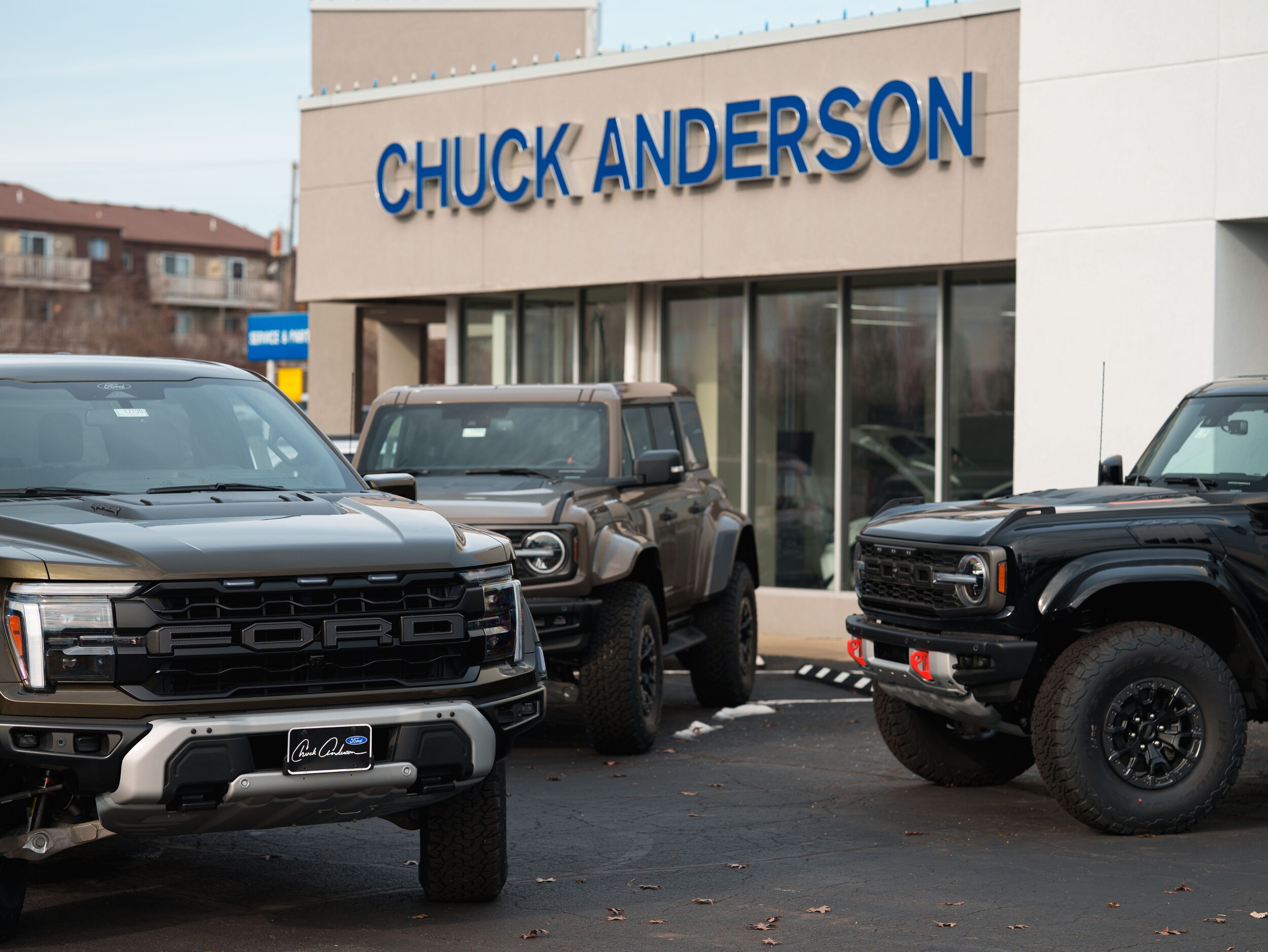
Our view: Reliability ratings are useful for comparing vehicles, but they should be one part of the decision. Model year, engine, options, maintenance, towing history and the condition of the individual truck matter too.
What Makes an F-150 Reliable?
Long-term dependability is usually the result of several factors working together—not simply the badge on the tailgate.
Choosing the Right Engine
A truck that regularly tows heavy loads should be configured for that workload. Buying too little truck and constantly operating it near its limits can increase wear.
Routine Maintenance
Oil changes, filters, fluids, tires, brakes and other scheduled service all contribute to long-term F-150 ownership.
Towing & Payload
Frequent towing and hauling place additional demand on the engine, transmission, cooling system, brakes, tires and driveline.
Driving Conditions
Short trips, extreme temperatures, dusty roads, off-road use and severe-duty operation can change maintenance requirements.
Previous Ownership
On a used F-150, a documented service history can be more valuable than simply finding the lowest-mileage truck available.
Software & Recall Updates
Modern F-150s contain extensive electronic systems. Owners should keep software current and have applicable recalls or service campaigns completed.
Which F-150 Engine Is the Most Reliable?
This is where we would be careful with any answer that claims one F-150 engine is universally "the most reliable."
Ford has offered naturally aspirated V8 engines, multiple turbocharged EcoBoost engines and the PowerBoost hybrid across different generations. Each powertrain has different technology, maintenance considerations and strengths.
More importantly, engines themselves evolve. A 3.5L EcoBoost from one generation should not automatically be treated as identical to a version produced many years later.
Instead of choosing an engine solely from an internet reputation, we recommend matching the powertrain to your workload and evaluating the specific model year you intend to purchase.
Compare F-150 EnginesQuestions to Ask Before Choosing an Engine
- How often will the truck tow?
- How heavy is the trailer?
- How many miles will you drive each year?
- Do you prefer turbocharged torque or a naturally aspirated V8?
- Do you want PowerBoost hybrid capability?
- Will Pro Power Onboard be useful?
- Are you buying new or used?
- How long do you expect to own the truck?
The best reliability strategy is often to buy the configuration appropriate for the job and maintain it accordingly.
F-150 Reliability by Powertrain Type
Rather than declaring one engine the winner, consider the additional systems and intended use associated with each type of F-150 powertrain.
EcoBoost V6
Ford's EcoBoost engines use turbocharging to produce substantial torque from relatively compact displacement.
Buyers who tow regularly should be especially attentive to proper oil service, cooling-system maintenance and the severe-use guidance applicable to their truck.
5.0L V8
The 5.0L V8 uses a naturally aspirated design rather than turbochargers and remains popular with buyers who prefer traditional V8 power delivery.
It still uses sophisticated modern engine controls and should be maintained according to the requirements for the specific model year.
PowerBoost Hybrid
PowerBoost combines a 3.5L EcoBoost engine with an electric motor, hybrid battery and related electronics.
It introduces additional hybrid components but also receives separate warranty coverage on applicable hybrid components under Ford's current warranty structure.
New F-150 Reliability vs. Used F-150 Reliability
The way you evaluate reliability should change depending on whether you're shopping new or used.
Buying a New F-150
With a new truck, maintenance history is not a concern because you control it from day one. Focus on choosing the right engine and configuration, understanding the warranty and following Ford's maintenance guidance.
Buying a Used F-150
With a used truck, the individual vehicle matters tremendously. Review service records, ownership history, mileage, towing use, accident history, modifications and current mechanical condition.
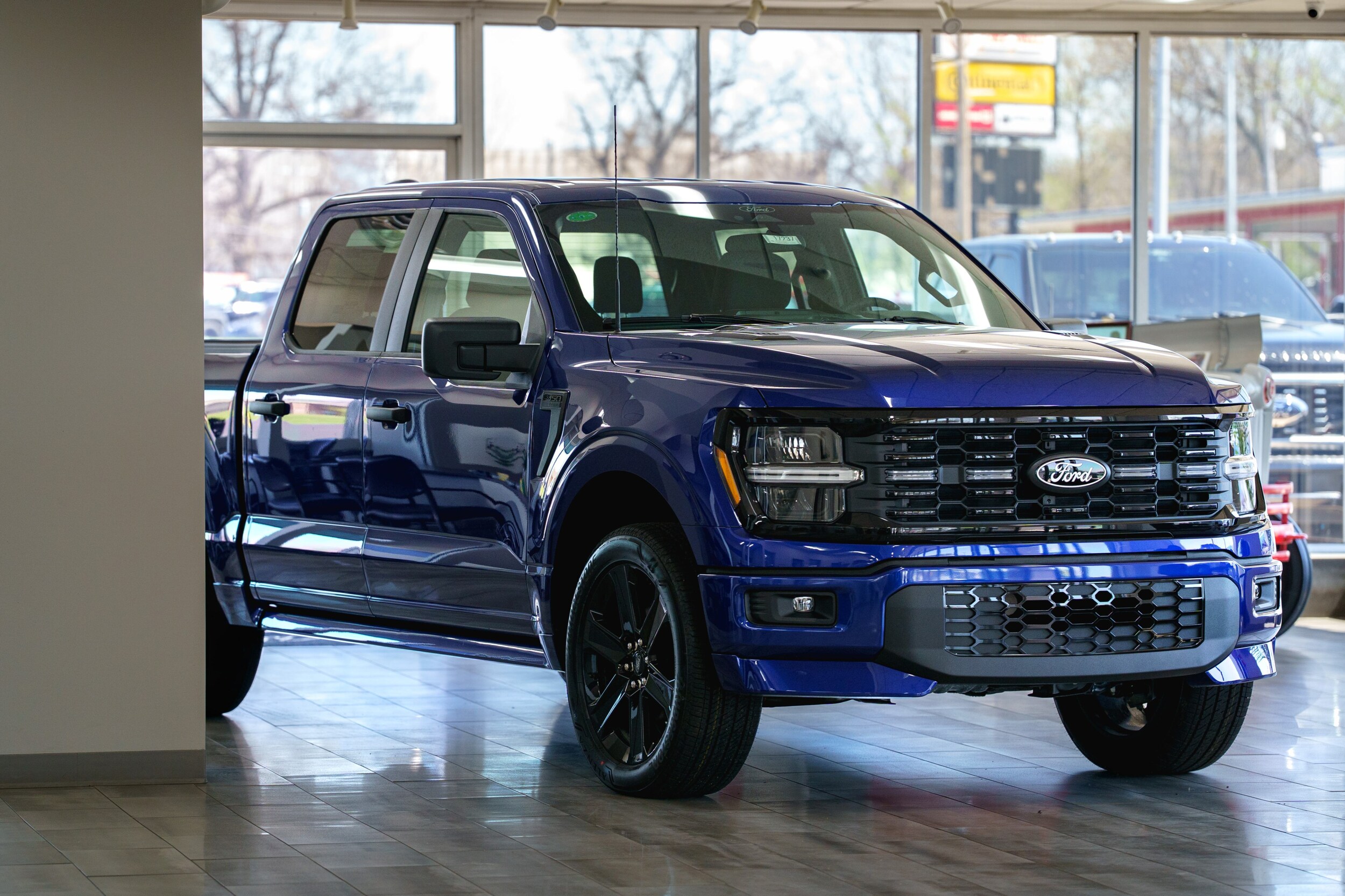
Shopping Used?
What Should You Check on a Used F-150?
Mileage alone does not tell you whether a used F-150 is a good truck. A properly serviced highway-driven truck can sometimes be a better purchase than a lower-mileage truck that was neglected or worked extremely hard.
- Review available maintenance records.
- Check the vehicle-history report.
- Verify whether applicable recalls have been completed.
- Inspect for leaks or unusual fluid conditions.
- Listen carefully during a cold start.
- Make sure the transmission shifts properly.
- Test the 4x4 system when equipped.
- Inspect tires for uneven wear.
- Look underneath for damage, corrosion or evidence of hard use.
- Check hitch and bed areas for clues about heavy towing or hauling.
- Test infotainment, cameras, windows, locks and electronic features.
- Have concerns inspected before purchase.
How Do You Make an F-150 Last Longer?
Consistent maintenance is one of the biggest variables an owner can control.
Follow the Oil-Life Monitor
Modern F-150s use Ford's Intelligent Oil-Life Monitor to help determine when engine oil service is due based on operating conditions.
Don't Ignore Severe Use
Frequent towing, extensive idling, off-road use, dusty environments and other demanding conditions can justify additional inspections or service.
Maintain the Cooling System
Heat is a major concern when trucks work hard. Cooling-system condition becomes especially important for trucks that tow.
Watch Tires & Alignment
Correct tire pressure, rotation and alignment help protect tires, suspension components and overall driving performance.
Service the Driveline
Four-wheel-drive components, differentials and other driveline systems should be maintained according to Ford's guidance for the individual truck and its use.
Fix Small Problems Early
Warning lights, fluid leaks, abnormal noises, vibration or changing shift behavior are easier to address before they develop into larger problems.
How Many Miles Can an F-150 Last?
There is no honest mileage number that applies to every Ford F-150.
Long-term life depends on maintenance, corrosion, operating conditions, towing, payload, accident history and how the truck was treated by previous owners.
Some owners keep F-150s well into high-mileage territory, while another truck may require substantial repairs much earlier. Mileage should therefore be viewed alongside condition and service history rather than by itself.
How Long Does an F-150 Last?For Long-Term Ownership, Prioritize:
- Documented maintenance
- Correct oil and fluid service
- Reasonable towing and payload use
- Cooling-system health
- Tire and brake maintenance
- Prompt repair of leaks or warning lights
- Recall and software updates
- Rust and corrosion prevention
Ford F-150 Warranty Coverage
Factory warranty coverage does not guarantee reliability, but it does reduce financial exposure to certain covered problems during the applicable warranty period.
| Coverage | Current 2026 Ford F-150 Coverage |
|---|---|
| Bumper-to-Bumper Limited Warranty | 3 years / 36,000 miles |
| Powertrain Limited Warranty | 5 years / 60,000 miles |
| Safety Restraint System | 5 years / 60,000 miles |
| Roadside Assistance | 5 years / 60,000 miles |
| Applicable Hybrid Battery Coverage | Current PowerBoost vehicles list 8 years / 100,000 miles |
Always verify the warranty on the exact vehicle. Warranty coverage, exclusions and applicable hybrid-component terms should be confirmed using the warranty guide for the model year and VIN you are considering.
Recalls & Reliability
Does an F-150 Recall Mean the Truck Is Unreliable?
Not necessarily.
Recalls occur throughout the automotive industry and can involve components ranging from software to mechanical systems. The more useful question for an individual vehicle is whether there are open recalls associated with its VIN and whether the necessary repair has been completed.
If you are shopping for a used F-150, checking the VIN for open recalls should be part of your pre-purchase research.
For an F-150 you already own, completing applicable recall work and keeping vehicle software current should be part of normal ownership.

Should Reliability Concerns Stop You From Buying an F-150?
For most shoppers, no.
The current F-150 earns strong independent quality and reliability scores, offers multiple proven powertrain strategies and includes meaningful factory warranty coverage.
We would still research the exact model year and engine when buying used, and we would never assume every F-150 is equally reliable regardless of maintenance or previous workload.
For a new truck, the bigger priority is selecting the right F-150 configuration for what you expect it to do, then maintaining it properly from the beginning.
Ford F-150 Reliability FAQs
Straightforward answers to common questions about F-150 dependability and long-term ownership.
Is the Ford F-150 a reliable truck?
Yes, an F-150 can be a reliable full-size truck. Current independent reliability data is favorable, but results vary by model year, powertrain, maintenance history and how the truck is used.
What is the Ford F-150 reliability rating?
J.D. Power gives the 2026 Ford F-150 an 86 out of 100 Quality & Reliability score, which it classifies as Great.
Which Ford F-150 engine is most reliable?
There is not enough context to call one F-150 engine universally the most reliable across every model year. Engine generation, maintenance, workload and the condition of the individual truck should all be considered.
Is the F-150 5.0L V8 reliable?
The 5.0L V8 is an established F-150 powertrain, but reliability can vary by model year and maintenance history. Buyers should research the exact model year rather than assuming all 5.0L engines are identical.
Is the F-150 3.5L EcoBoost reliable?
The 3.5L EcoBoost has been used across multiple F-150 generations. The design has evolved over time, so reliability should be evaluated by model year, service history and how the truck was used.
Is the F-150 PowerBoost reliable?
PowerBoost adds an electric motor, hybrid battery and related components to the 3.5L EcoBoost powertrain. Current Ford vehicles provide separate warranty coverage for applicable hybrid components. As with any F-150, model year and maintenance matter.
How long can a Ford F-150 last?
There is no fixed mileage limit. Maintenance, towing, payload, corrosion, road conditions, accident history and previous ownership can all affect the useful life of an F-150.
Is a high-mileage F-150 worth buying?
It can be. A high-mileage F-150 with consistent maintenance and good mechanical condition may be a better purchase than a lower-mileage truck with poor maintenance or evidence of hard use.
Does towing make an F-150 less reliable?
Towing does not automatically make an F-150 unreliable, but it increases load on the powertrain, cooling system, brakes, tires and driveline. Correct configuration and severe-use maintenance become more important.
Should I get a used F-150 inspected before buying?
If you have questions about a used truck's condition, a pre-purchase inspection can help identify mechanical wear, leaks, tire or brake concerns, suspension issues and other potential problems before purchase.
Continue Your Ford F-150 Research
Reliability is only one part of choosing the right F-150. Continue into our engine, towing and ownership guides.
Shopping for a Ford F-150 Near Kansas City?
Chuck Anderson Ford can help you compare F-150 engines, trims, towing configurations and ownership considerations based on how you actually plan to use your truck.
If you're shopping used, vehicle condition and maintenance history matter. If you're buying new, choosing the right configuration and maintaining it properly from day one can make long-term ownership much easier.
Visit Chuck Anderson Ford in Excelsior Springs, Missouri, serving F-150 shoppers from Liberty, Kearney, Lawson, Smithville and throughout the Kansas City Northland.
- Chuck Anderson Ford
- 1910 W Jesse James Road
- Excelsior Springs, MO 64024
- Sales: 816-648-6419
- Service: 816-648-6424
- Parts: 816-648-6429
Vehicle reliability varies by model year, configuration, powertrain, maintenance, operating conditions, modifications, previous ownership and individual vehicle condition. Third-party ratings represent the methodology and data available to those organizations at the time of publication and do not guarantee the reliability of an individual vehicle. Warranty coverage varies by model year, vehicle, component and in-service date. Always review the applicable Ford warranty guide, maintenance schedule, recall status, vehicle history and individual vehicle condition before purchase.