

Is the Ford Ranger reliable?
``` Ford Ranger Reliability Guide
Is the Ford Ranger Reliable?
Yes, the Ford Ranger can be a reliable midsize pickup, especially when it is maintained for the way it is actually used. But shoppers should understand that the current U.S. Ranger generation arrived for 2024, so its long-term reliability record is still developing. Engine choice, maintenance history, towing, off-road use and model year all matter.
Quick Answer: Yes, but Maintenance and Model Year Matter
The Ford Ranger has the ingredients to be a dependable midsize truck, but no truck should be labeled reliable solely because of the badge on the grille.
The current Ranger uses proven Ford EcoBoost engine families, a 10-speed automatic transmission and a fully boxed steel frame. The standard 2.3L EcoBoost is used across XL, XLT and Lariat, while the available 2.7L EcoBoost V6 adds more torque and Ranger Raptor uses a specialized 3.0L EcoBoost V6.
The current U.S. generation was introduced for the 2024 model year. That means 2024-2026 Rangers have not yet accumulated the same decade-plus of real-world mileage available for judging an older truck platform.
Our advice is simple: judge a Ranger by its generation, engine, maintenance history, operating conditions and individual vehicle condition rather than relying on a single generic reliability score.
3 YR / 36KBumper-to-Bumper Warranty
5 YR / 60KPowertrain Warranty
5 YR / 60KRoadside Assistance
10K / 1 YRMaximum Normal Oil-Service Interval
Current Generation
Why 2024-2026 Ranger Reliability Is Still Developing
Ford substantially redesigned the Ranger for the U.S. market for the 2024 model year.
That matters when researching reliability because long-term dependability is measured in years, not months.
A truck can perform very well during its first year and still develop issues later. The opposite can also happen: early production concerns can be corrected while the underlying truck proves durable over a long ownership period.
For that reason, we would not claim that a 2026 Ranger already has a proven 200,000-mile reliability record as a generation.
What we can evaluate today are its powertrains, warranty, maintenance requirements, available owner-quality data, recalls and the condition of individual trucks.
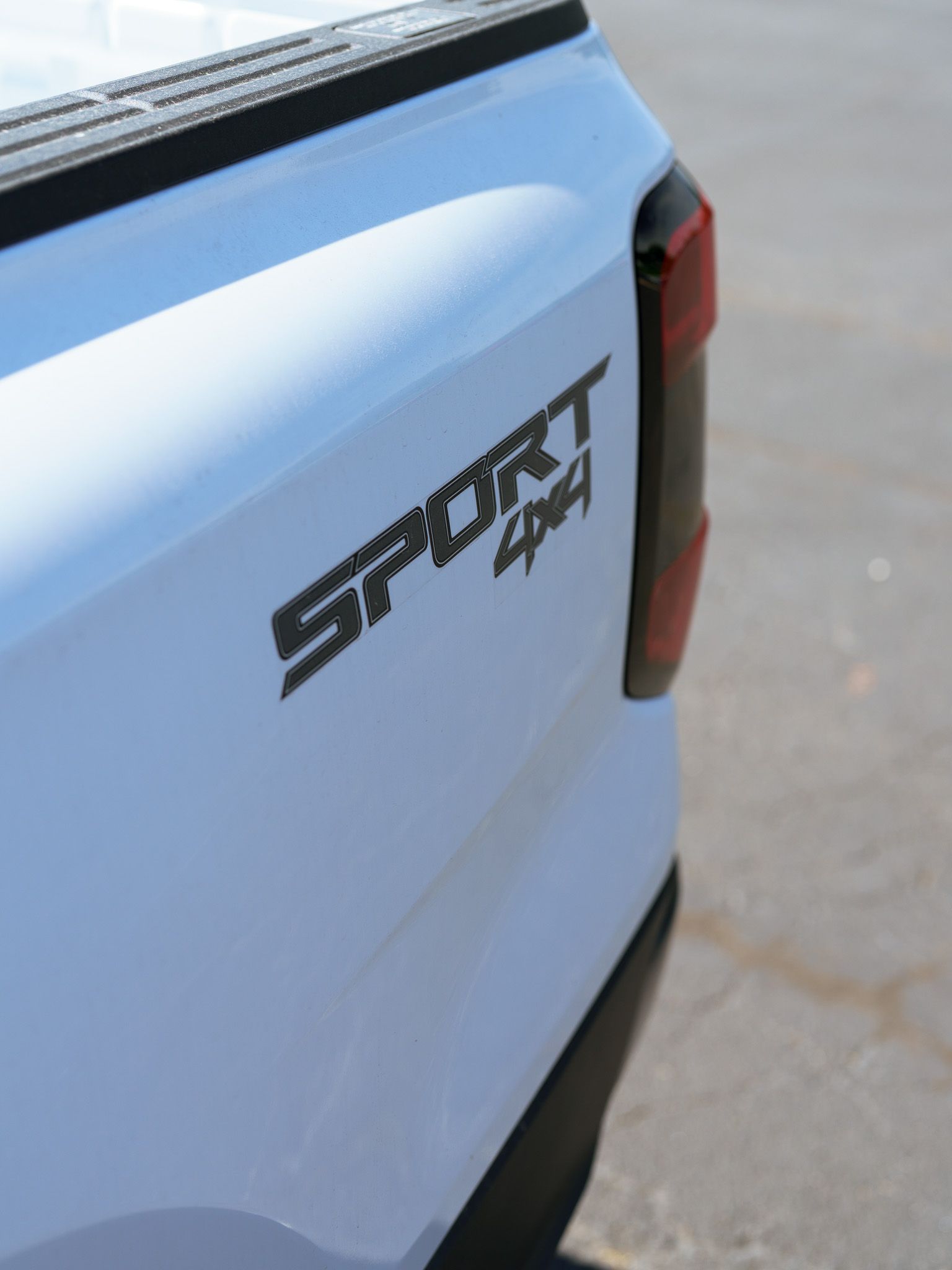
What Do Reliability Ratings Tell Us?
Third-party ratings can be useful, but shoppers need to understand what each rating actually measures.
Initial-quality studies measure problems owners experience early in ownership.
Long-term dependability studies typically look at vehicles after several years of ownership.
Those are not the same thing.
Important Ranger Context
- The previous-generation 2022 Ranger won its midsize-pickup category in J.D. Power's Initial Quality Study.
- That study measured early ownership quality, not 10-year durability.
- The current Ranger generation arrived for 2024.
- Current-generation long-term dependability evidence is still accumulating.
We would use ratings as one piece of the buying decision rather than treating any one score as a guarantee.
Which Ranger Engine Is Most Reliable?
There is not enough current-generation evidence to responsibly crown one 2026 Ranger engine as universally "the most reliable."
2.3L EcoBoost
The 2.3L EcoBoost is the standard engine in Ranger XL, XLT and Lariat.
It produces 270 horsepower and 310 lb-ft of torque and can support up to 7,500 pounds of properly equipped towing.
From an ownership perspective, its biggest advantage is simplicity within the Ranger lineup: it is the mainstream engine with the broadest availability and no requirement to move into a higher-output V6 configuration.
2.7L EcoBoost V6
The available 2.7L EcoBoost V6 produces 315 horsepower and 400 lb-ft of torque.
It is available on select XLT and Lariat configurations and can make sense for owners who want more reserve power for towing, passing or loaded driving.
More performance does not automatically mean less reliability. Maintenance history and operating conditions remain critical.
3.0L EcoBoost V6
Ranger Raptor exclusively uses the 405-horsepower 3.0L EcoBoost V6.
Raptor also adds specialized suspension, drivetrain and off-road hardware, so long-term ownership involves more than simply maintaining a different engine.
Buyers considering a used Raptor should pay especially close attention to how the truck was previously driven off road.
Our Reliability Approach
We would not choose between these engines based on internet reputation alone.
Choose the engine that fits your workload, then maintain it correctly.
A properly maintained engine working comfortably within its intended use may be a better ownership choice than an engine that is constantly pushed hard or poorly serviced.
Are Turbocharged Ranger Engines Less Reliable?
Turbocharging by itself is not a reason to assume a Ranger will be unreliable.
All current Ranger engines use turbocharging, so maintaining the engine correctly becomes part of normal Ranger ownership.
Oil quality and oil-change timing matter because engine oil helps lubricate and protect components operating under heat and load.
Owners who tow frequently, drive off road, idle for extended periods or operate under extreme temperatures may see shorter oil-change intervals through Ford's Intelligent Oil-Life Monitor.
The best reliability strategy is not avoiding turbocharging. It is following the maintenance requirements designed for the engine and responding quickly to leaks, warning lights, unusual noises or changes in performance.
Maintenance Has a Huge Effect on Ranger Reliability
The Ranger is expected to handle commuting, towing, hauling, gravel roads and off-road use.
Those different operating conditions do not necessarily create the same maintenance schedule.
Ford uses an Intelligent Oil-Life Monitor to estimate when the engine oil needs service based on how the truck is actually being used.
Heavy towing, loads, idling, extreme temperatures and off-road operation can shorten the interval.
Key Maintenance Habits
- Respond to the Intelligent Oil-Life Monitor.
- Do not exceed one year or 10,000 miles between oil services.
- Rotate and inspect tires with routine service.
- Inspect brakes regularly.
- Check cooling-system condition.
- Inspect suspension and steering components.
- Pay attention to 4x4 driveline maintenance.
- Service the truck more aggressively when operating under severe conditions.
Major 2026 Ford Ranger Maintenance Milestones
Staying ahead of scheduled service is one of the simplest ways to protect long-term reliability.
| Interval | Typical Ranger Maintenance | Why It Matters |
|---|---|---|
| Oil-Life Monitor | Change engine oil and filter; rotate tires; perform routine inspections. | Protects the turbocharged engine and identifies developing wear early. |
| 20,000 Miles | Replace cabin air filter. | Maintains HVAC airflow and cabin filtration. |
| 30,000 Miles | Replace engine air filter under normal scheduling. | Helps the engine breathe properly and keeps contaminants out. |
| Every 3 Years | Replace brake fluid regardless of mileage. | Helps maintain braking-system performance. |
| 60,000 Miles | Severe-service spark plug and applicable transfer-case service may be required. | Heavy towing and severe operation can shorten service intervals. |
| 100,000 Miles | Replace spark plugs under normal service and inspect accessory drive belts. | Supports proper ignition and engine performance. |
| 150,000 Miles | Normal-service transmission fluid, axle fluid and applicable transfer-case fluid service; replace accessory drive belt. | Protects high-mileage driveline components. |
| 200,000 Miles / 10 Years | Initial scheduled engine coolant replacement. | Maintains cooling-system protection over long ownership. |
Severe use can move maintenance forward. Frequent towing, commercial operation, heavy loads, prolonged idling, off-road driving and extreme conditions can require service sooner than the normal schedule.
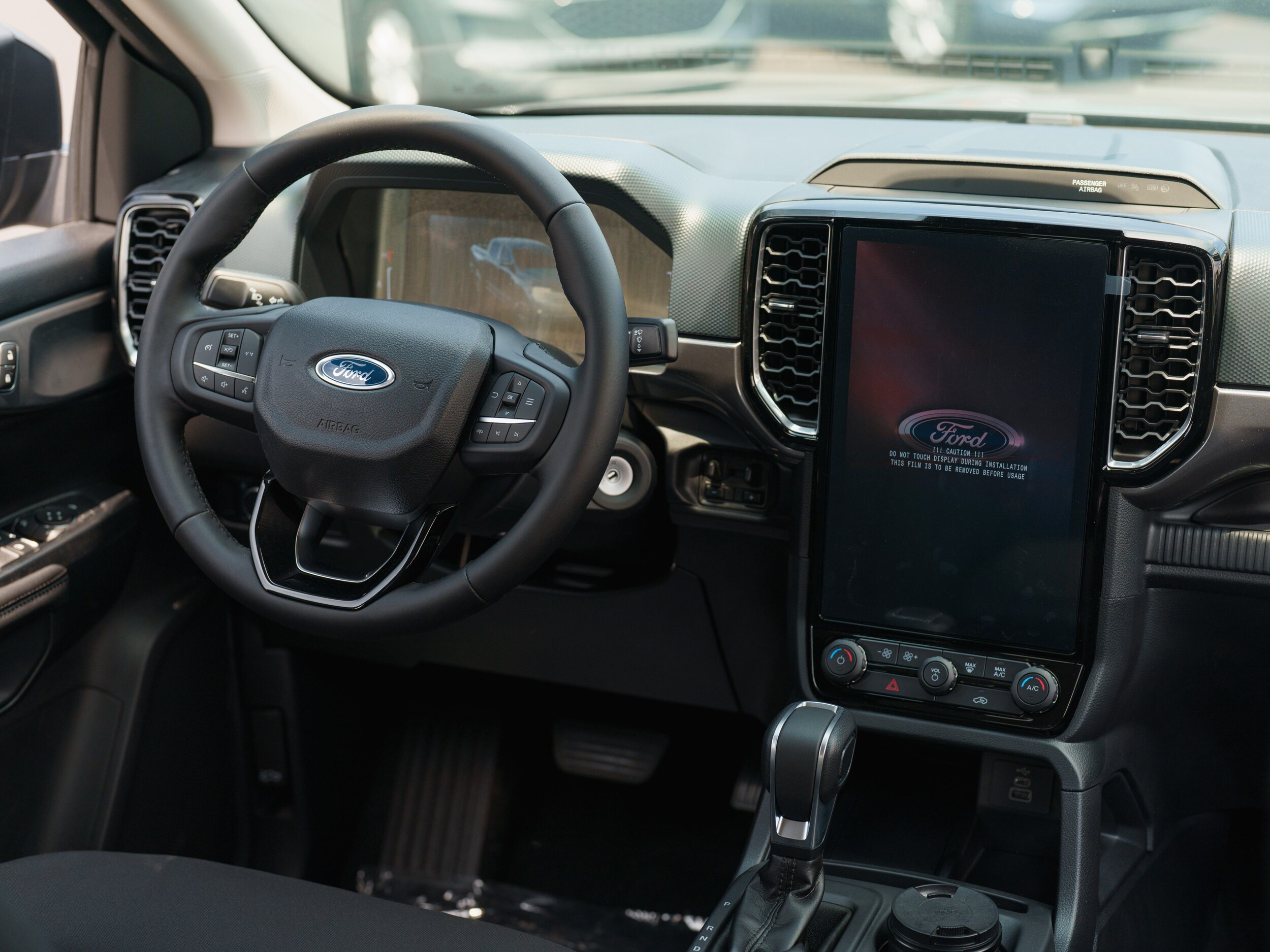
Towing & Reliability
Does Towing Wear Out a Ranger Faster?
Towing does not automatically make a Ranger unreliable.
Ford designed properly equipped conventional Rangers to tow up to 7,500 pounds.
But towing increases load on the engine, transmission, cooling system, brakes, tires and driveline.
A Ranger that frequently tows near the upper end of its capability may need more frequent maintenance than one used primarily for a highway commute.
If towing is part of your regular ownership, keep the truck within its ratings, monitor oil life, inspect tires and brakes, and do not ignore driveline-fluid service.
Ranger Towing GuideDoes 4x4 Affect Ranger Reliability?
Four-wheel drive adds capability, but it also adds components.
A 4x4 Ranger includes a transfer case, front driveline components and additional hardware that a rear-wheel-drive truck does not need.
That does not mean a 4x4 Ranger is inherently unreliable.
It simply means there are more components that require inspection and proper lubrication over a long ownership period.
For Long-Term 4x4 Reliability:
- Inspect the front axle and driveline.
- Watch for leaks.
- Listen for new driveline noises.
- Follow transfer-case service requirements.
- Keep tires closely matched in size and wear.
- Inspect underbody components after significant off-road use.
Ranger Raptor
Is Ranger Raptor Reliable?
Ranger Raptor adds considerably more specialized hardware than a conventional Ranger.
Its 3.0L EcoBoost V6 produces 405 horsepower and 430 lb-ft of torque, while the chassis adds FOX Live Valve shocks, locking axles and specialized off-road suspension.
None of that automatically makes Raptor unreliable.
But the way a Raptor has been used matters greatly when shopping for one secondhand.
A lightly used highway-driven Raptor and one that has spent years jumping dunes or hammering rocky trails may have identical mileage but very different wear.
Ranger Raptor vs. Ranger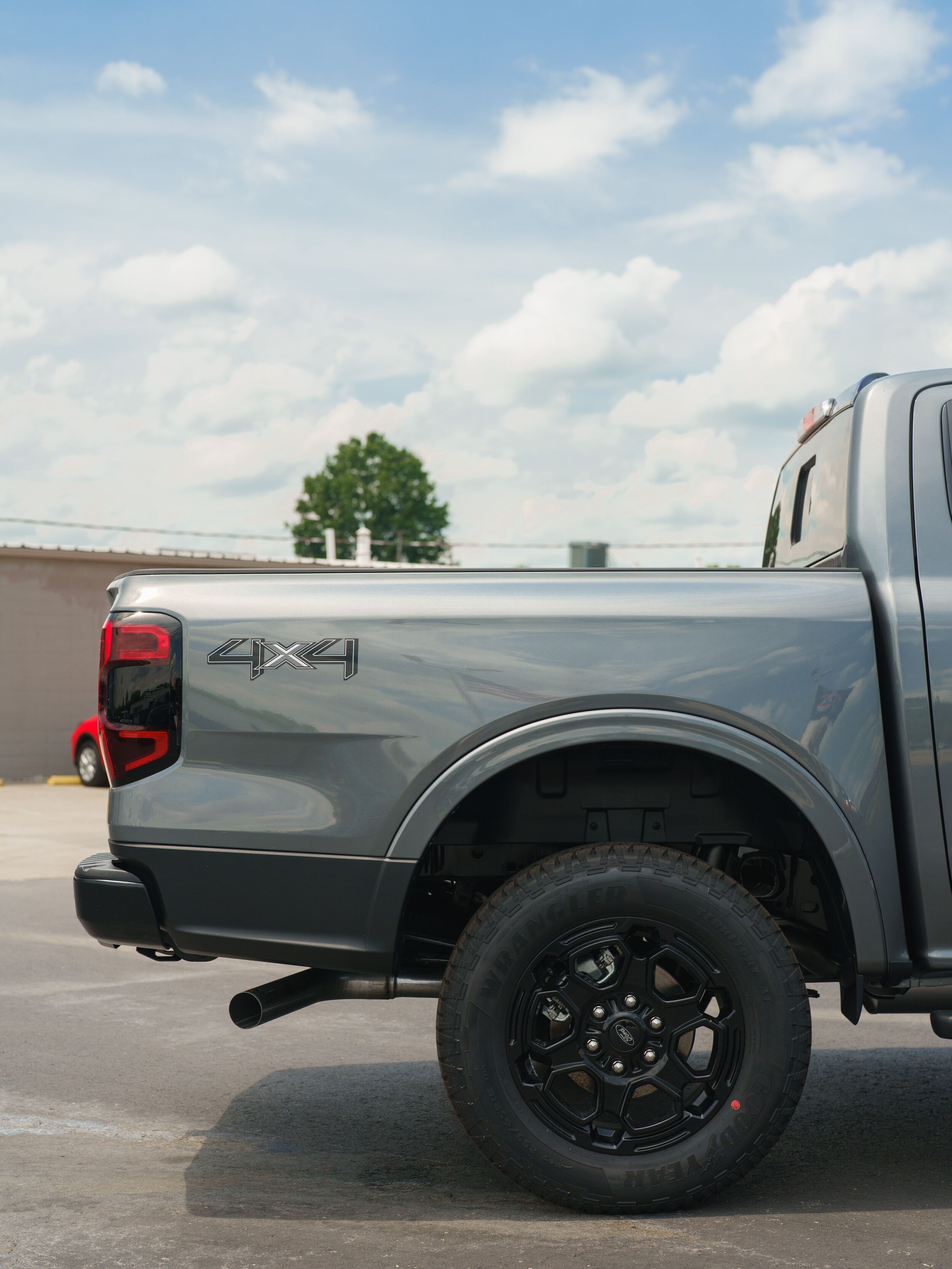
2026 Ford Ranger Warranty Coverage
New-vehicle warranty coverage provides protection during the early ownership period.
3 / 36KBumper-to-Bumper
5 / 60KPowertrain
5 / 60KSafety Restraint System
5 / 60KRoadside Assistance
Warranty Is Protection, Not a Reliability Rating
A warranty tells you what Ford covers during specified time and mileage periods. It does not predict whether an individual Ranger will or will not require repairs.
Buyers planning to keep a Ranger beyond the factory warranty can also explore available Ford Protect coverage and should compare terms, exclusions, mileage limits and cost before deciding whether extended coverage makes sense.
Has the Current Ford Ranger Had Recalls?
Yes. Like many modern vehicles, some current-generation Rangers have been included in safety recall campaigns.
For example, a 2026 NHTSA campaign covers certain 2024-2026 Rangers for a front-seat height-adjust pivot bolt that could loosen or dislodge. Only vehicles within the affected production population are involved.
Other campaigns have applied to much smaller populations of specific Ranger model years or components.
A recall does not mean every Ranger has the defect, and recall count alone is not a reliable way to rank overall vehicle dependability.
What matters to an individual owner is whether their VIN is included in an open recall and whether the required repair has been completed.
Buying a Used Ranger? Check the VIN for Open Recalls
Recall status follows the individual vehicle.
A used Ranger may have no applicable recalls, may already have had every recall completed, or may still need an open campaign performed.
A VIN-specific recall check is much more useful than reading a generic list of every campaign that has ever involved a Ranger.
Before Buying Used:
- Run the VIN through the NHTSA recall lookup.
- Ask whether outstanding recalls have been completed.
- Review available service history.
- Confirm factory warranty status.
- Inspect for accident or off-road damage.
- Drive the truck before purchase.
What Should You Check on a Used Ford Ranger?
Vehicle condition can matter more than a model-wide reliability reputation.
Service History
Look for consistent oil changes, fluid service and documented maintenance rather than long unexplained gaps.
Cold Start
Start the engine cold when possible and listen for abnormal knocking, rattling, excessive smoke or unstable idle.
Transmission
Drive through a range of speeds and loads and pay attention to unusual delay, harsh shifting, slipping or warning messages.
Cooling System
Inspect coolant level and look for signs of leaks, overheating or neglected cooling-system maintenance.
4x4 Operation
On applicable trucks, verify that the four-wheel-drive system engages and operates as intended.
Underbody
Look for corrosion, bent skid plates, damaged suspension components and evidence of significant off-road impacts.
Towing Equipment
Inspect the hitch, trailer wiring and brake-controller equipment for damage or signs of hard use.
Tires
Uneven tire wear can reveal alignment, suspension or previous off-road issues that deserve further investigation.
Electronics
Test cameras, SYNC, driver-assistance systems, windows, locks, displays and other powered equipment.
How Many Miles Can a Ford Ranger Last?
There is no responsible mileage number that every Ranger is guaranteed to reach.
Trucks with excellent maintenance histories can remain useful at high mileage, while neglected trucks can require expensive repairs much earlier.
For a high-mileage Ranger, the question should be less "Can Rangers reach 200,000 miles?" and more "What condition is this particular Ranger in today?"
Maintenance records, oil consumption, cooling-system condition, transmission operation, suspension wear, corrosion and previous towing or off-road use become increasingly important as mileage rises.
Missouri Driving Can Be Harder on a Truck Than the Odometer Suggests
A Ranger around Kansas City can encounter hot summers, freezing temperatures, road salt, gravel roads, potholes, heavy rain and frequent temperature swings.
Those conditions make corrosion prevention, tire inspection, battery condition and suspension checks worth attention.
Local Ownership Habits
- Wash road salt from the underbody after winter.
- Inspect exposed suspension and brake components.
- Check battery condition before extreme cold.
- Maintain proper coolant protection.
- Inspect tires regularly after gravel-road use.
- Check air filters more often in dusty conditions.
How You Use a Ranger Changes the Reliability Equation
Mileage alone never tells the complete story.
Highway Commuter
A Ranger spending most of its life at steady highway speeds may experience relatively light mechanical stress compared with the same-mileage truck used commercially.
Frequent Towing
Trailer use adds load to the engine, transmission, cooling system, brakes and tires. Maintenance should reflect that additional workload.
Off-Road Use
Trails introduce dirt, impacts, articulation and possible damage to suspension, wheels and underbody components. Inspection after hard use matters.
Commercial Use
Repeated short trips, idling, heavy payload and frequent towing can qualify as severe operating conditions and may justify shorter service intervals.
Should Reliability Change Which Ranger Engine You Buy?
It should be part of the decision, but we would not automatically choose the smallest engine simply because it appears less complex.
The standard 2.3L EcoBoost is a strong fit for commuting, normal work, payload and conventional towing.
The 2.7L EcoBoost can make sense when additional torque prevents the truck from working as hard during frequent loaded driving.
Ranger Raptor's 3.0L is chosen as part of a specialized performance vehicle, so buyers should evaluate the entire truck rather than the engine in isolation.
The best reliability strategy is choosing enough engine for your actual workload and maintaining it for that workload.
Buying New
Why Buying a New Ranger Changes the Reliability Conversation
A new Ranger gives you something a used truck cannot: a known maintenance starting point.
You control the oil-change history, towing habits, warm-up behavior, tire maintenance, off-road use and fluid service from the beginning.
You also begin with Ford's new-vehicle warranty protection and access to current recall and service information.
For someone planning to keep a truck for many years, starting with a new Ranger and maintaining it consistently can remove much of the uncertainty that comes with an unknown previous owner.
Shop New Ford Ranger Inventory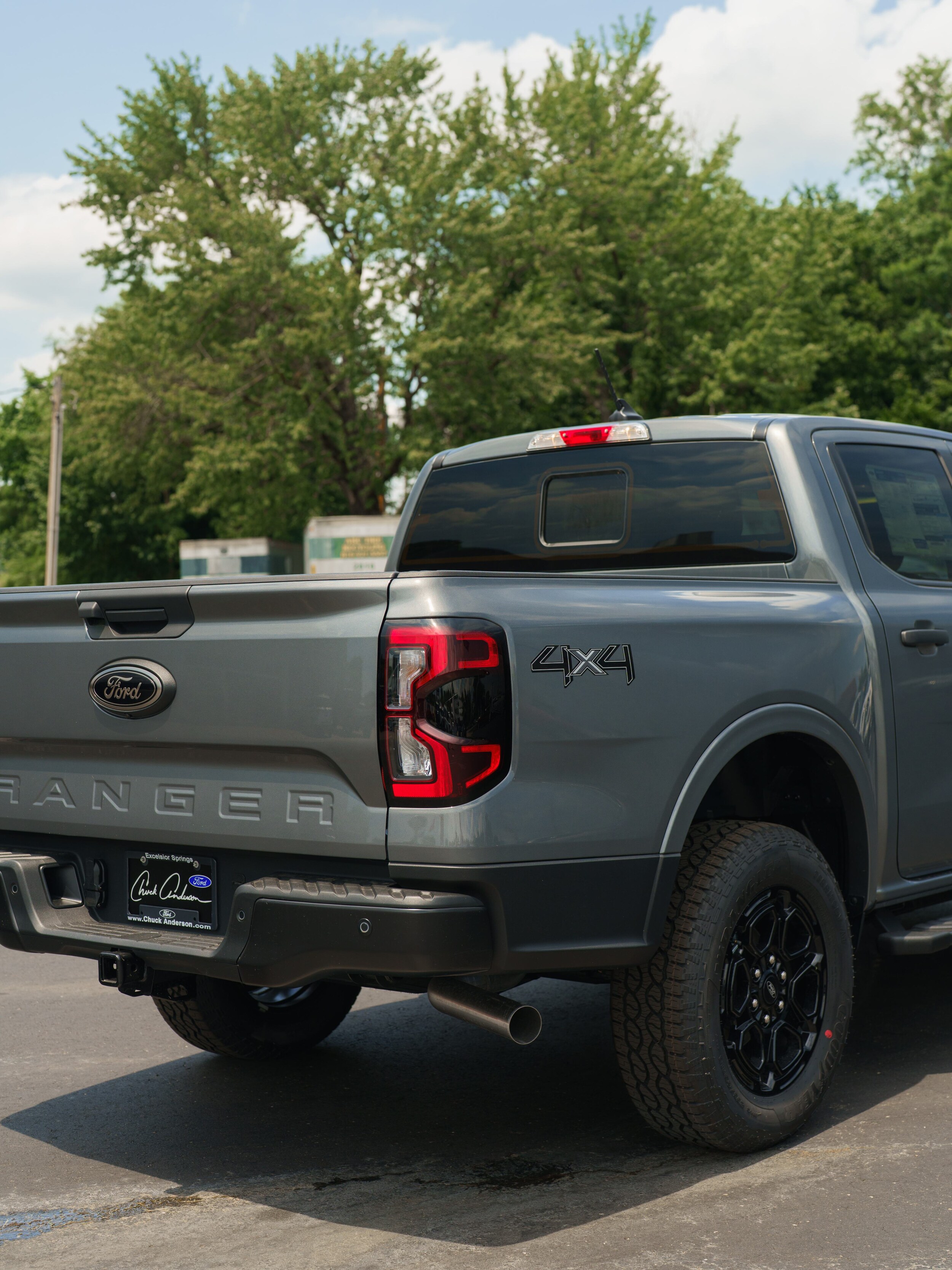
Our Verdict: Ranger Can Be a Reliable Truck, but Don't Buy on Reputation Alone
We would be comfortable considering a Ranger for long-term ownership.
The current generation combines established Ford EcoBoost powertrain families with a traditional body-on-frame midsize pickup platform and clear factory maintenance requirements.
But the 2024-2026 generation is still young enough that claims of proven long-term dependability should be made cautiously.
What Matters Most:
- Choose the right engine for the workload.
- Follow the Intelligent Oil-Life Monitor.
- Do not ignore severe-service maintenance.
- Check recalls by VIN.
- Inspect used trucks carefully.
- Pay attention to previous towing and off-road use.
- Address noises, leaks and warnings early.
A well-maintained Ranger is a much better reliability bet than a neglected Ranger with an impressive model-wide rating.
Ford Ranger Reliability FAQs
Quick answers to common Ranger ownership and reliability questions.
Is the Ford Ranger reliable?
The Ford Ranger can be a reliable midsize pickup when properly maintained. The current U.S. generation arrived for 2024, so its long-term dependability record is still developing.
What is the most reliable Ford Ranger engine?
There is not enough current-generation long-term evidence to responsibly name one 2026 Ranger engine as universally the most reliable. The 2.3L, 2.7L and Raptor 3.0L serve different uses and should be maintained accordingly.
Is the 2.3L EcoBoost Ranger reliable?
The 2.3L EcoBoost is the mainstream Ranger engine and is standard on XL, XLT and Lariat. Long-term reliability depends heavily on maintenance, operating conditions and individual vehicle history.
Is the 2.7L EcoBoost Ranger reliable?
The 2.7L EcoBoost V6 is available on select XLT and Lariat models. There is not yet enough Ranger-specific long-term data for the current generation to guarantee that it is more or less reliable than the 2.3L.
Is Ranger Raptor reliable?
Ranger Raptor is designed for demanding off-road performance and uses specialized powertrain, suspension and drivetrain hardware. When buying used, previous off-road use and maintenance history are especially important.
How often does a Ford Ranger need an oil change?
The 2026 Ranger uses Ford's Intelligent Oil-Life Monitor. Normal use may produce an oil-change interval around 7,500 to 10,000 miles, while severe use can shorten the interval. Ford says not to exceed one year or 10,000 miles between oil services.
Does towing affect Ford Ranger reliability?
Towing increases load on the engine, transmission, brakes, cooling system and driveline. A properly equipped Ranger is designed to tow within its ratings, but frequent towing may require more aggressive maintenance.
Has the Ford Ranger had recalls?
Yes. Certain Ranger model years and production populations have been included in safety recalls. Recall applicability should be checked using the individual vehicle identification number rather than assuming every Ranger is affected.
How long is the Ford Ranger powertrain warranty?
The 2026 Ford Ranger includes a 5-year or 60,000-mile powertrain warranty. It also includes 3-year or 36,000-mile bumper-to-bumper coverage.
What should I check before buying a used Ranger?
Review maintenance history, recall status, engine and transmission operation, cooling system, tires, suspension, 4x4 system, underbody condition and evidence of previous heavy towing or off-road use.
Continue Your Ford Ranger Research
Compare Ranger engines, towing, competitors and ownership before choosing your truck.
Shopping for a Ford Ranger You Plan to Keep?
Start with the right truck and take care of it from day one.
Chuck Anderson Ford can help you choose between the 2.3L EcoBoost, available 2.7L EcoBoost V6 and Ranger Raptor based on how you actually plan to drive, tow and use your truck.
Our service department can also help Ranger owners stay current on oil changes, inspections, filters, brakes, driveline maintenance and factory-recommended service throughout ownership.
Visit Chuck Anderson Ford in Excelsior Springs, Missouri, serving Ranger shoppers and owners from Liberty, Kearney, Lawson, Smithville and throughout the Kansas City Northland.
- Chuck Anderson Ford
- 1910 W Jesse James Road
- Excelsior Springs, MO 64024
- Sales: 816-648-6419
- Service: 816-648-6424
- Parts: 816-648-6429
This page provides general Ford Ranger reliability, maintenance and ownership information and is not a guarantee of the lifespan, dependability or future repair requirements of any individual vehicle. Reliability varies based on model year, engine, drivetrain, maintenance history, mileage, operating conditions, towing, payload, off-road use, accidents, modifications and prior ownership. Warranty terms, maintenance recommendations and recall information are subject to change. Recall campaigns apply only to specific affected vehicles and production populations. Always verify current warranty coverage, recall status, maintenance requirements and vehicle condition using the exact VIN and current Ford and NHTSA information before purchase.